







Your Body’s Built-In Air Conditioner
To understand why humidity is so disruptive, we first need to appreciate the elegance of the body's natural cooling system: sweating. Your body is constantly working to maintain a stable core temperature. When you get too warm, your brain signals your sweat glands
to release moisture. But it's not the sweat itself that cools you down; it's the evaporation of that sweat from your skin. As the liquid turns into vapor, it takes heat with it, effectively lowering your skin temperature and helping you feel comfortable. This process is incredibly efficient, allowing humans to function in temperatures well above our internal body temperature. For quality sleep, your body temperature needs to drop slightly, and this evaporative cooling is a key part of that process.
How Humidity Sabotages Your Sleep
High humidity throws a wrench in this finely tuned system. Humidity, specifically relative humidity, is the measure of how much water vapor is already present in the air compared to the maximum it can hold at that temperature. When the air is already saturated with moisture—as it often is during and after rain—it can't absorb much more. As a result, the sweat on your skin has nowhere to go. It can't evaporate effectively. Instead of cooling you down, it sits on your skin, leading to that familiar clammy, sticky feeling. Your body, sensing that it's still too hot, may even try to produce more sweat, but this only makes your clothes and sheets feel damp without providing any real cooling relief. This stalls the necessary drop in core body temperature, leading to restlessness, more frequent wake-ups, and a less restorative night's sleep.
The Rainy Night Connection
While a cool rain might seem like it should help, it often makes indoor humidity worse. As rain falls, some of it evaporates, adding moisture to the surrounding air. Furthermore, the saturated ground and even building materials like brick and concrete can absorb this moisture and slowly release it, raising indoor humidity for hours or even days after the rain has stopped. Even with windows closed, this moisture-rich air can find its way inside, making your home feel damp and heavy. High humidity not only affects your comfort but can also create an environment where allergens like dust mites and mold thrive, potentially leading to congestion and further disrupting your breathing and sleep.
Take Control: Creating a Low-Humidity Haven
Feeling comfortable on a humid night is about managing moisture, not just temperature. The most direct way to combat humidity is with a dehumidifier, which actively pulls water vapor out of the air. Aim for an indoor humidity level between 40% and 50% for optimal comfort. Using your air conditioner also helps, as the cooling process naturally removes moisture from the air. Ensuring your home is well-ventilated is also key; use exhaust fans in bathrooms and kitchens to expel moist air. On dry days, opening windows to circulate fresh air can prevent moisture buildup.
Simple Swaps for Better Sleep
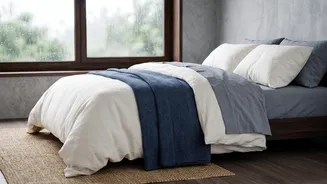
Beyond controlling the air, a few small changes can make a big difference. Opt for bedding made from natural, breathable fabrics like cotton or linen, which allow for better airflow and are less likely to trap heat and moisture. What you do before bed matters, too. A lukewarm or cool shower can help lower your body temperature before you get under the covers. Avoid heavy meals or intense exercise close to bedtime, as these activities can raise your core temperature and make it harder to cool down. Using fans, especially a ceiling fan, can also help by circulating air and creating a cooling breeze that aids in any possible evaporation from your skin.