

Choosing Your Perfect Fabric
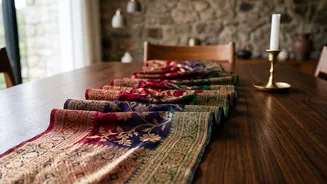
The first step is to raid your cupboards for suitable materials. Look for old sarees with beautiful borders, intricate embroidery, or vibrant prints. Silk, brocade, and even sturdy cotton sarees can be repurposed. For drapes, heavier materials like cotton or polyester
blends work well as they provide durability and a good structure for a tablecloth or runner. Before you begin, ensure the fabric is clean and in good condition. Check for any tears or heavily worn sections that might not withstand being repurposed. The most intact and decorative parts, like a saree's pallu, are perfect for becoming the highlight of your new creation.
The Simple No-Sew Method
Don't have a sewing machine? No problem. You can create stunning table decor without a single stitch. The key is using fusible hemming tape, which acts like a glue when ironed. Simply measure and cut your fabric to the desired size—a standard runner is typically 10-15 inches wide and about a foot longer than your table. Fold the raw edges over to create a clean hem, place the hemming tape inside the fold, and press with a hot iron. For a quicker method, a hot glue gun can be used to attach decorative trims, tassels, or fringes along the edges, which also helps to hide any roughness from cutting. This is an excellent way to get a finished look in minutes.
Creating a Polished Sewn Finish
For a more durable and professional-looking piece, a sewing machine is your best friend. After cutting your fabric to size, you can give the runner or cover more substance by adding a lining. This not only adds weight, making it sit better on the table, but also protects the delicate fabric of the saree. A plain cotton fabric works perfectly as a backing. Simply place the saree fabric and the lining with their right sides together, stitch around the edges leaving a small opening, and then turn it inside out. Press with an iron and stitch the opening closed for a crisp, clean finish. You can also sew the saree's original border along the edges of the new runner for a truly integrated look.
Adding Festive Embellishments
This is where you can truly let your creativity shine. Elevate your simple runner into a luxurious masterpiece with embellishments. Consider sewing on beads, sequins, or small mirrors for a touch of sparkle. Attaching ready-made tassels or pom-poms to the ends of a runner adds a playful and elegant flair. You can also use fabric glue to affix lace trims, gota patti, or even cut-out motifs from other parts of the saree. If you enjoy decorative stitching, you can use contrasting thread colours to add patterns or texture to plainer sections of the fabric.
Beyond the Table Runner
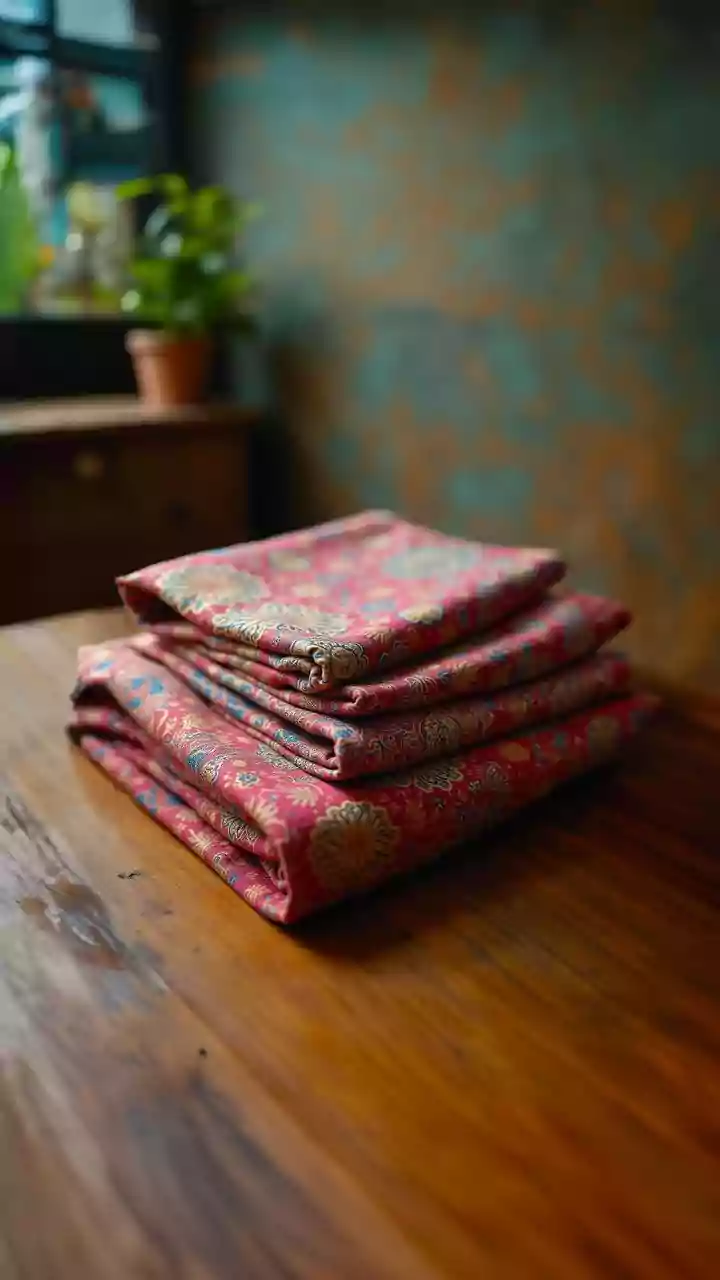
Don't stop at just a runner. With the leftover fabric, you can create a completely coordinated festive look for your dining table. Cut smaller, uniform pieces to create a matching set of placemats. You can use the same sewing or no-sew techniques to finish their edges. Smaller squares of softer fabrics, like those from a cotton or chiffon saree, can be hemmed to make beautiful and unique napkins. These matching sets not only look stunning but also make for wonderful, personalised gifts for friends and family during the festive season.
Care and Preservation
Handmade items require gentle care to keep them looking their best. It's best to hand wash your new creations in cool water with a mild detergent, especially if they are made from delicate silks or have heavy embellishments. Avoid harsh scrubbing. To dry, lay the item flat away from direct sunlight, which can cause colours to fade. When it comes to storage, roll your runners and covers around a cardboard tube instead of folding them. This prevents deep creases and protects the fabric and any embroidery from breaking at the folds. Store them in a cool, dark, and well-ventilated cupboard to prevent yellowing or mildew.