







An Ambitious New Chapter
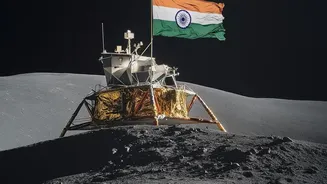
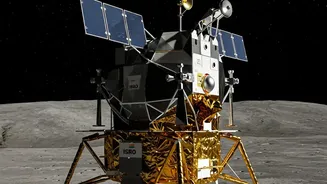
Chandrayaan-4 represents a monumental leap in complexity for India's space program. While Chandrayaan-3 successfully demonstrated a soft landing and roving near the lunar south pole, its successor is designed to land, collect samples of lunar soil and rock,
and then launch from the Moon to bring them back home. If successful, India would become only the fourth country in history to achieve this feat, joining the ranks of the United States, the former Soviet Union, and China. This isn't just an incremental update; it is a mission that requires mastering technologies India has never used in a lunar context before, including launching from another celestial body, automated docking in lunar orbit, and a high-speed reentry to Earth. The mission is slated for a 2028 launch and is a critical step in India's long-term vision of landing an astronaut on the Moon by 2040.
The Quest for Lunar Water
The primary target for Chandrayaan-4 is not just any lunar rock, but samples from the south pole, a region believed to be rich in water ice. India’s own Chandrayaan-1 mission was instrumental in the initial discovery of water molecules on the Moon back in 2008. This ice is thought to be located in permanently shadowed craters, areas that haven't seen sunlight in billions of years and are among the coldest places in our solar system. The scientific value of this water ice is immense. It can provide a pristine record of the early solar system, telling us about the delivery of water and other materials by comets and asteroids. But the strategic value is even greater. Lunar water can be mined and processed to produce breathable oxygen for astronauts and, crucially, hydrogen and oxygen for rocket propellant. This could one day turn the Moon into a refueling station for missions deeper into space, making exploration more sustainable and cost-effective.
A Complex, Multi-Part Mission
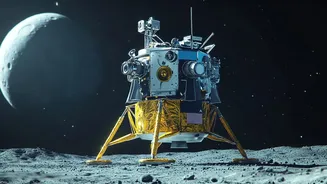
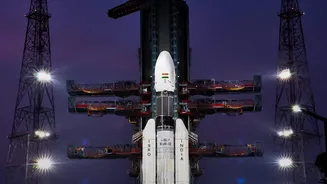
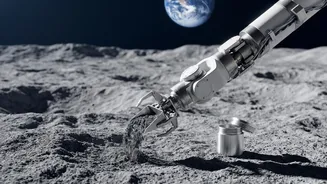
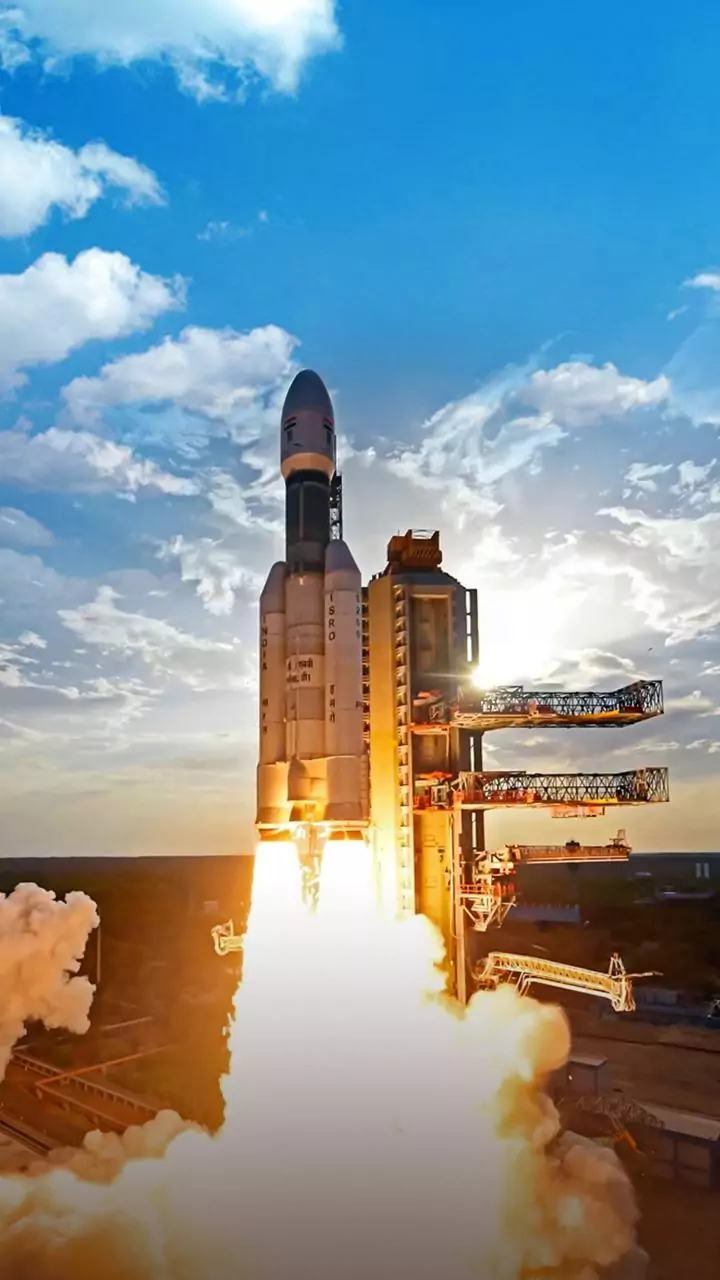
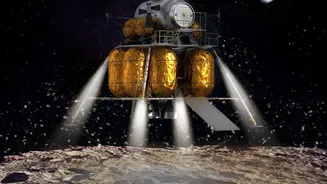
To pull this off, Chandrayaan-4 will be ISRO's most intricate mission to date, involving five separate modules and requiring two separate rocket launches. A heavy-lift LVM3 rocket will carry the lander and an ascender module. A second rocket will launch a transfer module and a re-entry module, which will wait in lunar orbit. The mission profile is a carefully choreographed sequence: the lander will touch down on the Moon, a robotic arm will collect soil and drill samples, and store them in a container. The ascender module will then launch from the Moon's surface—using the lander as a launchpad—and rendezvous with the orbiting transfer module. In a delicate, automated maneuver, the sample container will be transferred for the journey back to Earth, culminating in a fiery re-entry and safe landing.
Building on Proven Success
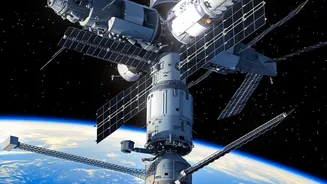
While the challenge is immense, ISRO is not starting from scratch. The Chandrayaan-3 mission provided invaluable experience and validated key technologies. It proved India's capability for precision soft landings in the treacherous south polar region and demonstrated that key systems could survive the harsh lunar environment. The Chandrayaan-2 orbiter, still circling the Moon, continues to provide high-resolution maps that are crucial for selecting a safe and scientifically interesting landing site for Chandrayaan-4. Furthermore, ISRO has been methodically testing other critical technologies. The SpaDeX mission, launched in late 2024, successfully demonstrated the autonomous docking capabilities that Chandrayaan-4 will rely on in lunar orbit, proving the technology before betting a flagship mission on it. Each previous mission has served as a building block, creating a foundation of knowledge and technical confidence for this next ambitious step.