


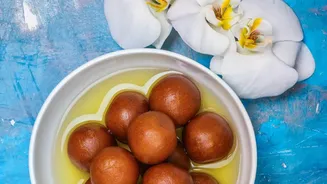
A Tradition Steeped in Sweetness
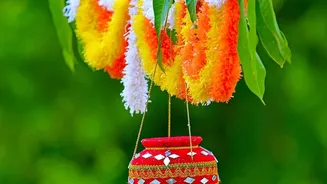
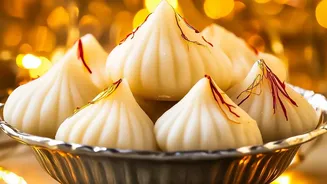
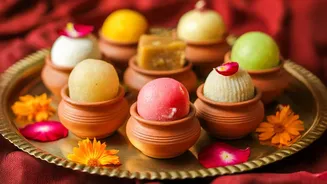
Janmashtami, the celebration of Lord Krishna's birth, is a festival of immense joy, devotion, and, of course, food. The 'Chappan Bhog', an offering of 56 dishes, is a testament to the culinary richness of the occasion. Central to these offerings are sweets,
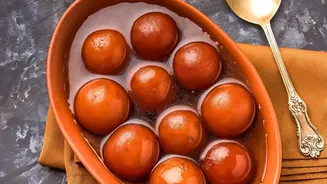
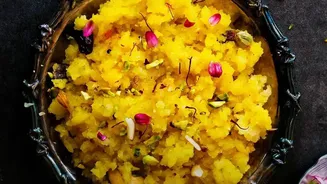
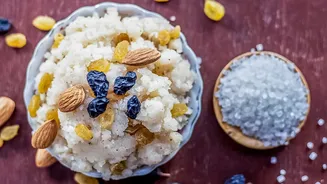
or mithai, that symbolise joy and abundance. From the grainy texture of panjiri, made with coriander powder or whole wheat flour, to the creamy delight of kheer and the simple purity of makhan mishri (whipped butter with rock sugar), these treats are inseparable from the festivities. For generations, recipes using copious amounts of ghee, milk, and refined sugar have been passed down, forming a delicious but decadent part of the celebration.
The Modern Health-Conscious Shift
In recent years, a significant cultural shift has taken place across India. Younger generations, particularly millennials and Gen Z, are driving a movement toward wellness and mindful eating. This isn't about extreme dieting but a desire for balance, clean ingredients, and a deeper understanding of what goes into their bodies. The conversation around refined sugar, processed flours, and their health implications has grown louder, entering even the most traditional spaces. This has created a modern dilemma during festivals: how does one partake in the joyous feasting without compromising on health goals or excluding family members with dietary restrictions, such as diabetes? This question has paved the way for a culinary revolution.
Enter the Youth Innovators
Responding to this cultural shift are youth collectives, a vibrant mix of home chefs, social media food influencers, and new-age startups. These culinary innovators are not rejecting tradition; they are reviving it for a new era. Their philosophy is simple: preserve the soul of the dish while upgrading its nutritional profile. By reimagining classic recipes, they make festive indulgence accessible to everyone, from fitness enthusiasts to those managing health conditions. These creators use their platforms and businesses to share recipes and sell products that prove festive food can be both delicious and nourishing, ensuring that cultural practices evolve and continue to be relevant.
Tradition, Reimagined on a Platter
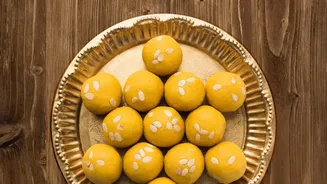
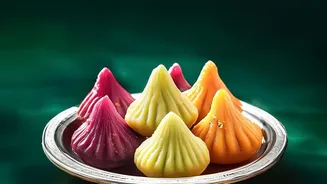
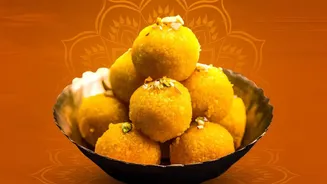
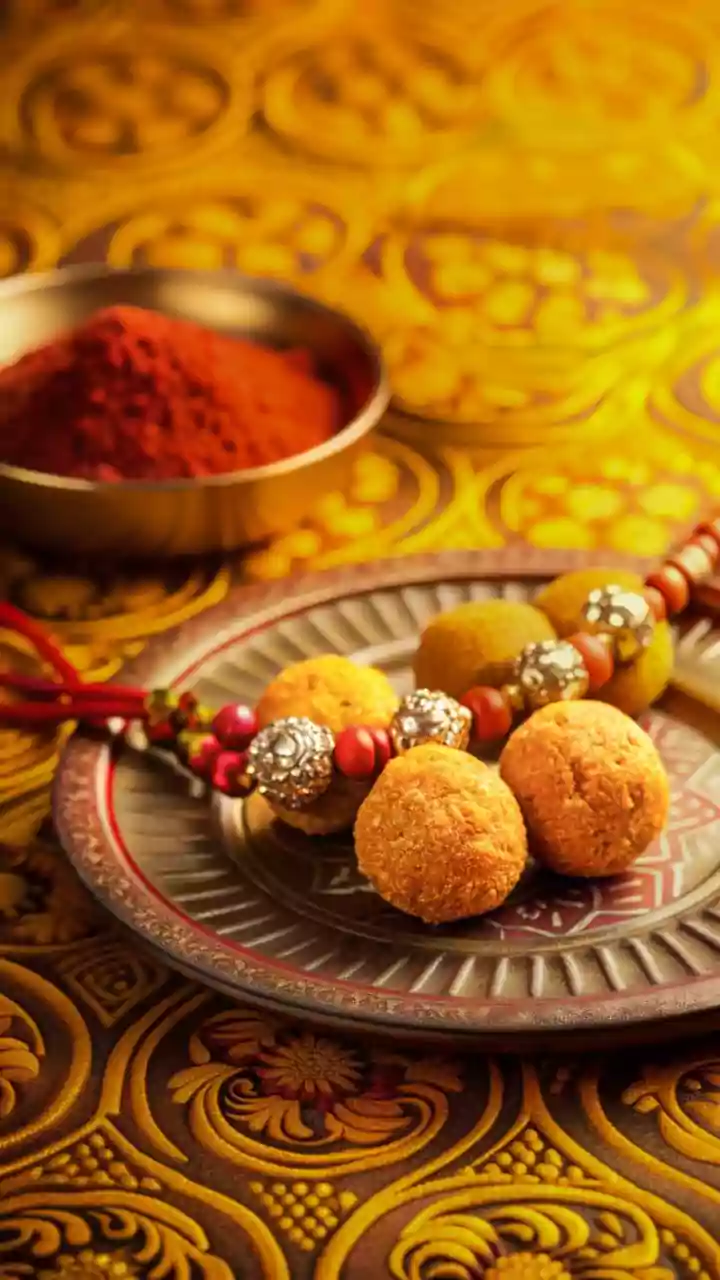
The results of this movement are both creative and delicious. The classic panjiri is now being prepared with jaggery or date powder instead of refined sugar, offering a rustic sweetness and added minerals. Laddoos, a festive staple, are being transformed. Recipes for Ragi Coconut Laddoos use the nutritional powerhouse of finger millet, while others are bound together with the natural sweetness of dates and figs, eliminating sugar entirely. Makhana Kheer, made with puffed lotus seeds, is a popular low-glycemic alternative to rice-based versions. Other inventive swaps include using millets and nut flours instead of refined flour and crafting barfis and pedas sweetened with fruit purees like anjeer (fig) paste, proving that health and heritage can share the same plate.
More Than Just a Recipe
This trend is about more than just swapping ingredients. It represents a deeper desire to make traditions more inclusive and sustainable. When a diabetic family member can enjoy a sugar-free sweet or a health-conscious young person can indulge without guilt, the circle of celebration widens. It also reflects a generation's commitment to honouring their roots in a way that aligns with contemporary values of health and wellness. These modernised sweets are not a departure from tradition but a thoughtful continuation of it, ensuring that the flavours and rituals of Janmashtami can be savoured by generations to come.