






A Partnership Reaching for the Stars
In the vast, silent theatre of space, a powerful narrative of partnership is unfolding between India and the United Arab Emirates. While specific joint asteroid missions are a long-term goal, the spirit of collaboration is already powering ambitious projects
that connect the two nations' space agencies. The UAE, a relative newcomer to space exploration, is fast-tracking its ambitions, and its close ties with India's seasoned space program are a cornerstone of this rapid ascent. This relationship transforms complex orbital mechanics and deep-space challenges into opportunities for shared growth and diplomacy, demonstrating how terrestrial alliances can extend into the cosmos.
The UAE's Audacious Asteroid Trek
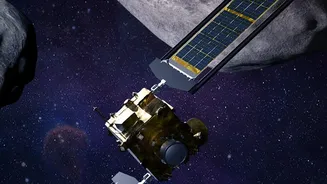
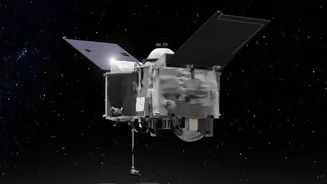
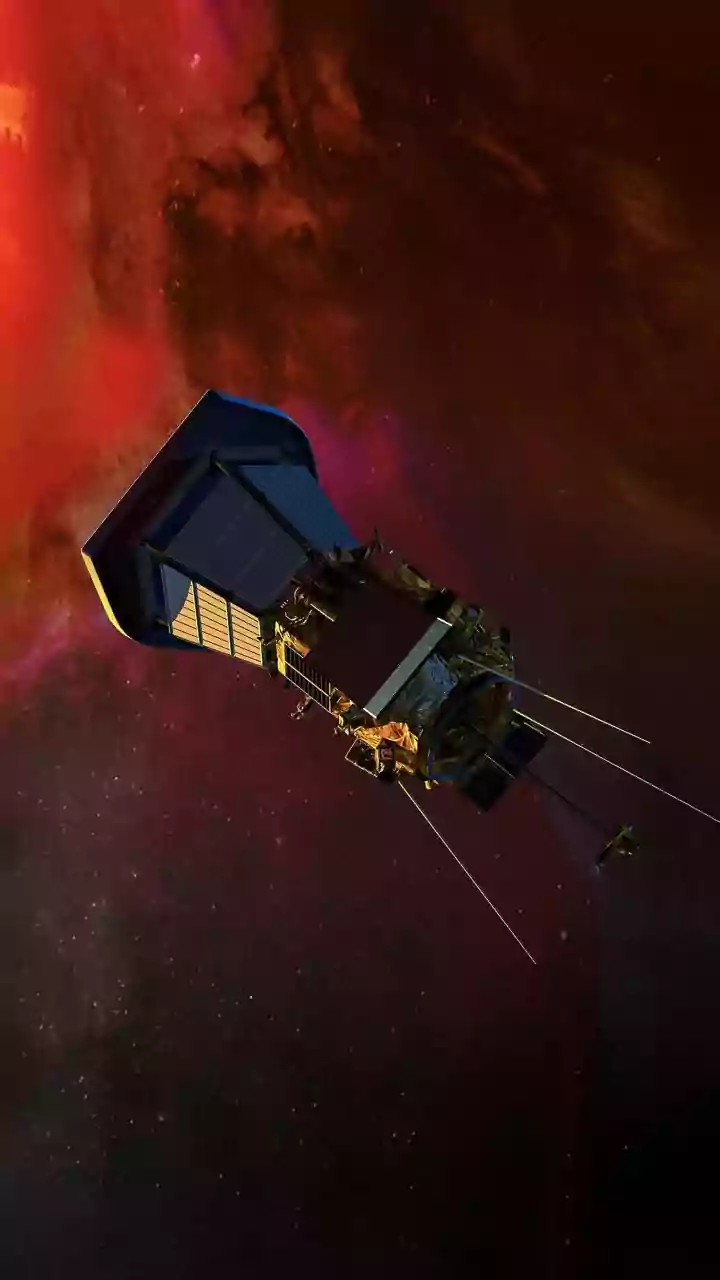
The centerpiece of the UAE's current deep-space ambition is the Emirates Mission to the Asteroid Belt (EMA). This is not just a single visit but a grand tour of the solar system. Scheduled for launch in the coming years, the MBR Explorer spacecraft will embark on a multi-year journey to study seven different asteroids in the main belt between Mars and Jupiter. The mission's incredible scope includes flybys of six asteroids before attempting a landing on a seventh, a fascinating 'ocean world' candidate named Justitia. This undertaking is one of the most complex ever planned by a new space agency, aiming to collect invaluable data on the origins of water in our solar system and the building blocks of life. For the UAE, it's a monumental leap intended to transition its economy toward knowledge and innovation.
India's Role as an Established Space Mentor
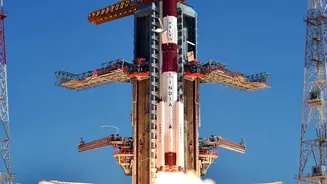
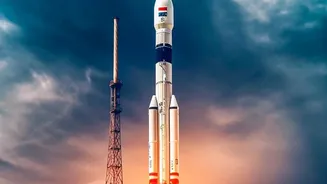
India's space journey, spearheaded by the Indian Space Research Organisation (ISRO), offers a blueprint for what a determined nation can achieve. From launching its first rocket from a fishing village to successfully sending missions to the Moon and Mars on highly efficient budgets, ISRO has earned a global reputation for cost-effective innovation and reliability. This deep well of experience is precisely what makes India such an attractive partner for the UAE. A formal Memorandum of Understanding on space cooperation was signed between the two countries in 2016, laying the groundwork for collaboration in satellite navigation, planetary exploration, and launch support. This isn't just a symbolic agreement; it's a functional partnership that allows the UAE to leverage decades of Indian expertise and avoid common pitfalls in its own space program development.
More Than Science: A Strategic Imperative
The India-UAE space connection is about far more than just science. For the UAE, investing in space is a core part of its post-oil economic vision, fostering a new generation of scientists and engineers. Partnering with India provides a reliable and aligned collaborator in a field often dominated by a few global superpowers. For India, this relationship solidifies its role as a leader in the developing world and a key player in Asian geopolitics. By helping a strategic partner like the UAE build its capabilities, India extends its diplomatic influence and opens new avenues for commercial and technological exchange. Space is the new high ground for international relations, and this partnership puts both nations in a stronger position.
The Future of Joint Exploration
While India's direct involvement in the UAE's asteroid mission is not yet formally defined, the collaborative framework is firmly in place. Potential areas of contribution are numerous. ISRO could offer its expertise in mission planning, deep-space navigation, and data analysis. Indian scientific institutions could partner with their Emirati counterparts to study the vast amounts of information the MBR Explorer will send back. There could also be opportunities for sharing launch vehicle technology or providing tracking support from Indian ground stations. The existing partnership makes this kind of seamless cooperation not just possible, but likely. The work symbolises a new model of international collaboration, where two rising powers pool their resources and talents to achieve what neither might accomplish alone.