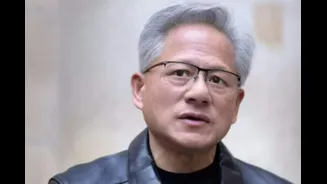







In a dramatic 11-day period that shook the technology world, Nvidia’s co-founder and CEO Jensen Huang resigned amid a swirl of controversy, only to be unanimously reinstated by the company's board. The episode has been resolved, for now.
A Timeline of Turmoil
On November 12,
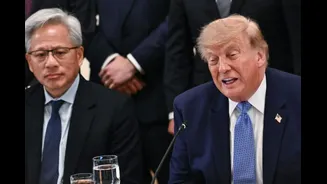
2026, Nvidia announced the stunning and immediate resignation of its iconic CEO, Jensen Huang. The departure came after reports of his personal conduct and alleged relationships, which triggered concerns over corporate governance and even national security. Chief Financial Officer Colette Kress was appointed interim CEO as the company's stock tumbled and the industry reeled from the news. Yet, just 11 days later, on November 23, the board reversed its course, unanimously reinstating Huang after concluding his return posed no national security risk, a move praised by President Donald Trump. This rapid-fire resignation and reappointment created a whirlwind of uncertainty for the AI chip giant.
The Irreplaceable Founder?
The market's reaction to the saga underscores a critical vulnerability for Nvidia known as 'key person risk'. Jensen Huang is not just a CEO; he is the visionary co-founder who has guided the company for over 30 years, transforming it from a video game chip maker into a nearly $4.5 trillion behemoth at the heart of the global AI revolution. His leadership is deeply intertwined with Nvidia's corporate identity, technological roadmap, and stock valuation. The market plunge after his departure, and the powerful 30%-plus rally upon his reinstatement, demonstrated just how much investors link the company's fortunes directly to him.
A Succession Plan Under Scrutiny
The crisis exposed a major governance weakness: the apparent lack of a formal succession plan. Huang himself has publicly expressed his skepticism about such plans, favoring continuous knowledge-sharing instead. He reportedly runs a flat organization with as many as 60 direct reports, a structure that concentrates decision-making power but leaves a vacuum when the leader is absent. While interim CEO Colette Kress is a respected executive, analysts noted that there was no clear heir apparent who could immediately fill Huang’s shoes, a fact that intensified the crisis and may have pressured the board into reinstating him.
Lingering Questions for the Board
While Huang's return brought immediate relief to shareholders, it has also raised new questions about the board's judgment. Having initially accepted his resignation and publicly ruled out his return, the board's complete reversal just days later has led some analysts to suggest it may have swapped one credibility problem for another. An internal investigation into the matters that led to the resignation is reportedly still ongoing. The episode highlights the immense pressure boards face when dealing with powerful and successful founders, and the governance challenges that can arise.
What's Next for Nvidia and AI
With Jensen Huang back at the helm, the immediate leadership crisis is over, but the reverberations continue. The company still faces scrutiny over its corporate governance and export controls related to China. The incident serves as a stark reminder to the entire tech industry, where companies like Tesla, SpaceX, and Meta are also heavily reliant on their visionary founders, of the inherent risks in such a structure. For now, Nvidia's employees, customers, and investors have the leader they wanted back in charge, but the saga has permanently highlighted the delicate balance between founder-led genius and corporate stability.