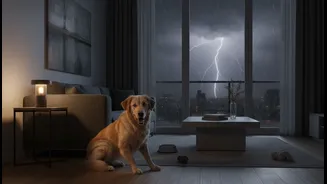


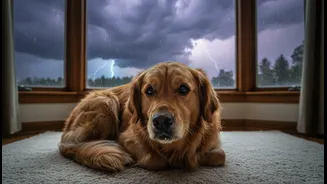


Recognize When It's Severe
Mild anxiety might involve some pacing or hiding, but severe thunderstorm phobia is much more intense and can worsen over time without intervention. Signs of severe phobia include intense trembling, constant and distressed vocalizing, drooling, loss of bladder
or bowel control, and destructive behaviors like chewing through walls or trying to escape. Some pets become so panicked they risk injuring themselves. Recognizing these signs validates your concern that this is a serious medical issue requiring professional help, not just a minor quirk.
Prepare for the Appointment
A productive veterinary visit starts with good preparation. Your vet needs specific details to make an accurate diagnosis. Try to capture a video of your pet's behavior during a storm; this provides a clear, objective view of the symptoms. Keep a log noting when the anxiety starts—is it with the rain, thunder, or even before you notice the storm? Write down all the behaviors you've observed, from panting to panic. Also, make a list of anything you've already tried, such as pheromone diffusers, anxiety vests, or supplements, and how your pet responded. This information helps your vet understand the full scope of the problem.
Start the Conversation with Key Questions
Once in the exam room, being direct is key. Frame the conversation as a partnership. Start by saying, “I'm here today because I'm very concerned about my pet's severe fear of storms.” Then, have a list of questions ready to guide the discussion. Good starting points include: Based on these symptoms, are you concerned about storm phobia? Could there be another underlying medical issue, like pain, making this worse? What are our treatment goals? Is it to reduce anxiety or just sedate my pet? Can we discuss the different types of treatment, including behavior modification and medication? What are the pros and cons of each approach for my pet's specific situation?
Understand the Treatment Options
A comprehensive plan for severe phobia often involves multiple strategies working together. Your vet will likely discuss a three-pronged approach: environmental management, behavior modification, and medication. Environmental Management: This involves creating a "safe space" for your pet, like a closet or crate in an interior room where they feel secure. Using white noise machines or music can help mask the sounds of the storm, and closing blinds blocks flashing lightning. Behavior Modification: Techniques like desensitization and counter-conditioning are long-term solutions that help change your pet's emotional response to storms. This often involves pairing storm sounds (at a very low, non-scary volume) with high-value treats or toys. For severe cases, your vet may recommend working with a veterinary behaviorist. Medication: For severe phobia, medication is often essential for improving your pet's welfare and enabling behavior modification to work.
Discussing Medications in Detail
Medication is often a non-negotiable part of managing severe panic. It's crucial to ask detailed questions to feel confident in the plan. There are two main categories: fast-acting situational drugs and long-term daily medications. Fast-acting options like Sileo, trazodone, or alprazolam are given before a storm to reduce panic. Daily medications, such as fluoxetine (Prozac), are used for pets with constant anxiety. Important questions to ask include: How far in advance of a storm should I give this medication? What are the most common side effects I should watch for? What should I do if my pet still seems panicked after taking it? Should we do a trial run on a calm day to see how my pet reacts?