





What Is This New Index?
First, let's clarify what this 'index' is. It's not a government-issued ranking but a comprehensive report launched in late July 2026 by the global travel platform Skyscanner. The India Culture Travel Index analyses the evolving behaviours of Indian tourists,
revealing a powerful and growing appetite for travel that is rich in cultural experiences. The findings show a clear move away from passive sightseeing towards more active and immersive engagement with the country's heritage, traditions, and local communities. The report highlights that a staggering 84% of Indian travellers say their interest in culture-led domestic travel has grown significantly in recent years.
Beyond the Monument Checklist
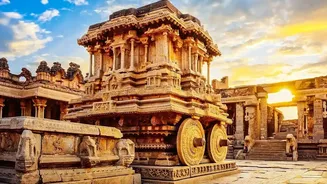
The core finding of the report is that the traditional travel checklist is becoming obsolete. While historical sites remain a huge draw, the motivation has changed. It's no longer just about seeing a fort or a palace; it's about experiencing the living culture that surrounds it. According to the data, 67% of Indians now plan their trips specifically around heritage, festivals, and food. This reflects a deeper desire to connect with the authentic soul of a place rather than just observing it from a distance. Heritage is still the top motivator, with 47% of travellers stating they would plan an entire trip around historical sites. However, their definition of heritage is expanding.
The R.O.O.T.S. of a New Travel Era
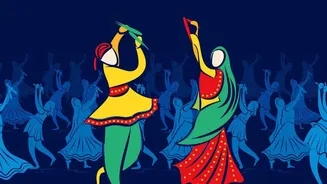
The Skyscanner report organises its findings into a memorable framework called R.O.O.T.S., which identifies the key trends driving this movement. The 'R' stands for Rediscovering Heritage, confirming that historical sites are central to cultural exploration. The two 'O's' represent Open Discovery and Once-in-a-Year Experiences. Open Discovery points to travellers embracing more immersive activities, with their interest sparked by social media and YouTube (42%) as well as food and craft trails (41%). Once-in-a-Year Experiences highlights the powerful pull of festival tourism. A massive 72% of travellers say they would plan a trip just to attend a major festival, with Durga Puja (58%), Ganesh Chaturthi (52%), and Navratri Garba (47%) being top draws.
Taste, Traditions, and Smarter Trips
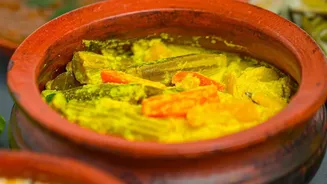
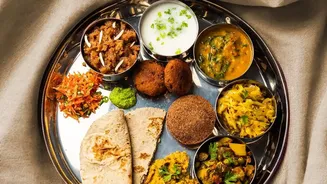
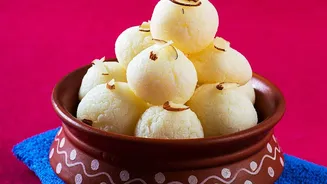
Completing the R.O.O.T.S. framework are 'T' for Traditions and Taste, and 'S' for Smarter Planning. Culinary tourism is no longer a niche interest but a primary travel driver. The report found that 43% of Indian travellers would organise a trip around regional food experiences, signalling a strong desire to connect with local culture through its cuisine. This all feeds into 'Smarter Planning'. Travellers are becoming more deliberate, with 40% planning their cultural journeys three to six months in advance. This foresight allows them to align their trips with specific festival dates, which 36% of travellers cited as their most important booking consideration.
Where Culture Is Leading Travellers
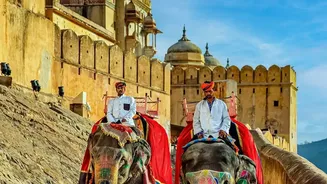
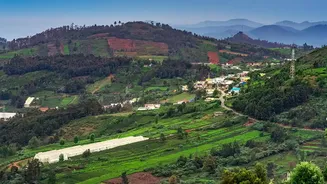
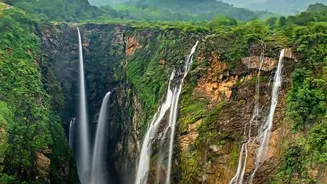
This shift in priorities is also changing the map for domestic tourism. While classic destinations are still popular, states rich in diverse experiences like Kerala, Rajasthan, and Uttarakhand are emerging as leading cultural hotspots. They offer a compelling mix of architectural landmarks, living traditions, and vibrant communities. Furthermore, the quest for authenticity is taking travellers off the beaten path. The report notes that one in four Indian travellers are now exploring Tier-2 and Tier-3 towns for unique cultural experiences, moving beyond the crowded metro circuit. This decentralisation of tourism holds great promise for smaller communities and regional economies.