




A Primer on the Power Players
For years, the Indian restaurant scene was dominated by a familiar lineup of North Indian and South Indian staples. But a flavour revolution is underway, led by bold ingredients from the country’s Northeast. Two stars of this movement are Bhut Jolokia
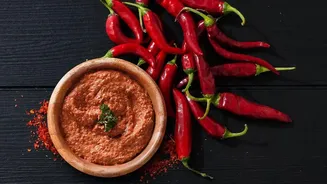
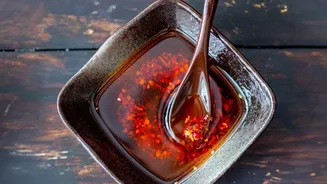
and a variety of fermented pastes. Bhut Jolokia, also known as the Ghost Pepper, once held the title of the world's hottest chilli and is native to states like Assam and Nagaland. With a Scoville rating of over one million units, it’s about 400 times hotter than a jalapeño. But it’s not just about brutal heat; it also boasts a unique fruity and slightly smoky flavour. Equally important are the region's fermented foods, a cornerstone of Northeast Indian cuisine. Pastes like Axone (pronounced 'akhuni') from Nagaland are made from fermented soybeans and deliver a powerful, pungent, and umami-rich kick. Other ferments include Soibum from Manipur and Khorisa from Assam, both made from bamboo shoots, which add a distinct sourness and complexity to dishes.
From Local Kitchens to Urban Plates
So, how are these intense ingredients finding their way into mainstream cafes? The trend is less about replicating traditional dishes and more about creative integration. Chefs are using Bhut Jolokia not just for its intimidating heat but to add a complex kick to everything from hot sauces and pickles to contemporary dips and meat rubs. You might find a Bhut Jolokia-infused mayonnaise served with fries, a ghost pepper-spiked cocktail, or a creamy soup with a hint of its smoky fire. Fermented pastes like Axone are being used as a secret weapon to build deep, savoury flavours in stews, curries, and even vegetarian dishes. In cities like Mumbai, Delhi, and Bengaluru, speciality restaurants and pop-ups are gaining popularity by showcasing these flavours. For instance, a chef might use Axone to create a rich chutney served with a modern dish or incorporate fermented bamboo shoots into a fish curry, introducing diners to these tastes in a familiar format.
Why Is This Happening Now?
Several factors are driving this culinary shift. Urban Indian diners have become more adventurous, actively seeking authentic, regional flavours beyond the usual butter chicken and masala dosa. There's a growing appreciation for India's vast culinary diversity, with a desire to explore dishes that have a story and a strong sense of place. Chefs, too, are playing a crucial role. Many are turning away from imported ingredients and looking inward, exploring India’s own rich pantry for inspiration. They are travelling to remote areas, learning from home cooks, and celebrating indigenous ingredients that have been overlooked for decades. This movement is also fueled by a rising sense of cultural pride among people from the Northeast, who are championing their food traditions in urban centres. Platforms like social media and food blogs have further amplified this interest, making once-unfamiliar ingredients like Axone and Bhut Jolokia subjects of curious fascination.
More Than Just a Trend
The introduction of these ingredients is about more than just novelty. It represents a significant step towards a more inclusive and representative Indian culinary landscape. For a long time, Northeast Indian food was misunderstood or dismissed for its strong, pungent aromas and unfamiliar flavours. By bringing these tastes to a wider audience, chefs are challenging stereotypes and fostering a deeper appreciation for the region's sophisticated food culture, which often relies on fermentation, smoking, and fresh, local herbs rather than heavy masalas. These fermented foods are also being recognized for their health benefits, as they are rich in probiotics that support gut health. This integration isn't just about making menus more interesting; it's about acknowledging the deep knowledge of preservation, flavour, and wellness embedded in these traditional foodways.