




Understanding Your Gut Microbiome
Your digestive tract is home to trillions of microorganisms, including bacteria, fungi, and other microbes, collectively known as the gut microbiome. This complex internal ecosystem is crucial for everything from digestion and nutrient absorption to immune
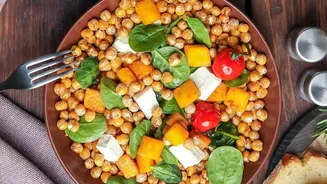
function and even mood. A healthy, diverse microbiome is key to overall wellness. An unbalanced diet can disrupt this delicate ecosystem, but a diet rich in a variety of plant-based foods can help it thrive. Fresh vegetable salads are a perfect way to provide the fuel your beneficial gut bacteria need.
Fiber: The Foundation of a Healthy Gut
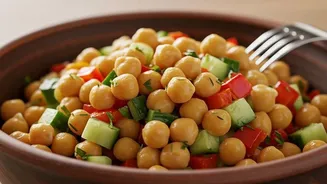
Dietary fiber, a type of carbohydrate the body can't digest, is perhaps the most important nutrient for gut health. Vegetables are packed with two types of fiber, both of which are essential. Insoluble fiber, found in leafy greens and vegetable skins, adds bulk to stool, which helps prevent constipation and promotes regular bowel movements. Soluble fiber, found in foods like carrots, beans, and avocados, dissolves in water to form a gel-like substance. This not only aids in softening stool but also helps stabilize blood sugar and can lower cholesterol.
Prebiotics: Food for Your Friendly Microbes
Certain types of dietary fiber are known as prebiotics. Think of them as targeted food for your most helpful gut bacteria. When these beneficial microbes ferment prebiotic fiber, they produce short-chain fatty acids (SCFAs). These compounds are incredibly beneficial, serving as an energy source for colon cells, strengthening the gut barrier, and helping to reduce inflammation. Excellent prebiotic vegetables to add to your salad bowl include garlic, onions, leeks, and asparagus. Even dandelion greens are a potent source of prebiotic inulin.
A Rainbow of Nutrients for Diversity
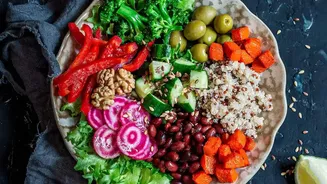
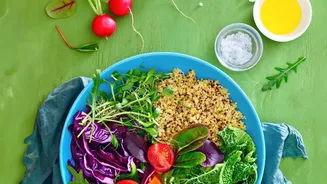
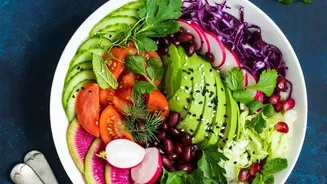
The more variety of plants you eat, the more diverse and resilient your gut microbiome tends to become. Eating a salad with a wide range of colorful vegetables ensures you are consuming a spectrum of vitamins, minerals, and potent plant compounds called polyphenols. These polyphenols, found in colorful foods like beetroot, red cabbage, and tomatoes, act as antioxidants and also serve as fuel for gut microbes. Research shows that people who eat 30 or more different plant types per week have a more diverse gut microbiome, and a daily salad is an easy way to boost that number.
Building the Ultimate Gut-Health Bowl
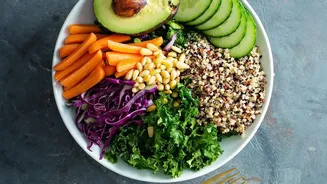
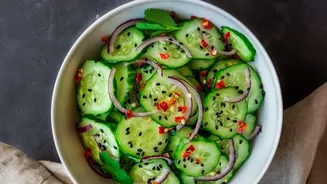
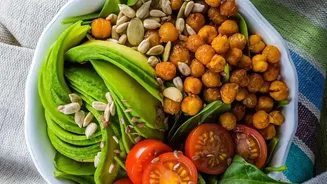
Constructing a salad for optimal gut health is simple. Start with a diverse base of greens; instead of just romaine, try mixing in bitter greens like arugula or spinach to stimulate digestive enzymes. Add a variety of chopped, colorful vegetables for a wide range of nutrients and fiber—think carrots, bell peppers, cucumber, and broccoli. Incorporate a prebiotic-rich ingredient like sliced onion or lightly cooked asparagus. For extra benefits, consider adding a source of probiotics, such as a scoop of sauerkraut or a yogurt-based dressing, which introduce live beneficial bacteria directly into your system. Finally, a source of healthy fat like avocado or olive oil can help your body absorb all the fat-soluble vitamins from the vegetables.