


The New Wave of Content Creation
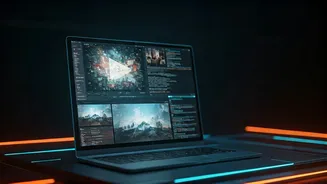
A new class of artificial intelligence tools is fundamentally changing what it means to be a video creator. Platforms like OpenAI's Sora, Luma AI's Dream Machine, Pika, and Runway are empowering anyone to generate high-quality video clips from simple
text prompts. What once required expensive cameras, complex editing software, and significant technical skill can now be accomplished with a few descriptive sentences. This shift represents a powerful wave of democratisation in digital storytelling, making video production accessible to the masses. These tools can create everything from cinematic scenes and animated characters to realistic product shots, opening up a universe of creative possibilities.
Democratising Digital Storytelling
For Indian youth, the appeal of these tools is multifaceted and powerful. The primary driver is accessibility. In a nation with over 900 million internet users and a massive youth population, the barrier to entry for content creation has been dramatically lowered. Young people no longer need to invest in costly equipment to bring their ideas to life; a smartphone and an imagination are now sufficient. This is particularly impactful in a country where creators are leveraging AI to produce content in regional languages like Hindi and Tamil, making it more relatable and shareable. This ease of use is a key motivator, as young Indians are driven by high expectations of AI's performance and the desire to empower themselves with new skills for future career prospects.
Fueling the Creator Economy
India's creator economy is already a formidable force, with an estimated 2.5 million monetised creators as of 2025. Text-to-video AI is acting as a powerful accelerant for this ecosystem. These tools allow creators to generate content at an unprecedented speed, helping them keep up with the fast-paced nature of social media trends on platforms like Instagram Reels and YouTube Shorts. The efficiency is a game-changer; tasks that once took days or weeks can now be done in minutes, from generating entire animated videos to quickly turning a blog post into a dynamic visual story. This allows creators to experiment more, produce a higher volume of content, and ultimately, find new avenues for monetisation.
A Shortcut to Viral Moments
The content being produced is as diverse as India itself. Young creators are using these tools to generate everything from viral memes and short films to marketing reels for small businesses and music videos. For many, it’s a way to participate in online culture and conversations without the logistical hurdles of traditional production. Recently, India's own AI Mission supported the launch of Varya, a homegrown video generation model designed to understand and create culturally rich Indian visuals, from festivals and food to everyday life. This push for indigenous solutions highlights the immense potential seen in making this technology affordable and relevant for the Indian population, turning simple ideas into compelling stories.
The Challenges and Road Ahead
The boom is not without its concerns. The rapid adoption of generative AI, especially among children and young adults, has outpaced the development of safeguards. A major issue is the potential for creating and spreading misinformation and deepfakes, which poses significant ethical and security risks. There are growing calls for better AI literacy, teaching users how to verify information and use these powerful tools responsibly. The rise of AI-generated content also raises complex questions about originality, copyright, and the future value of traditional creative skills. Despite these hurdles, the consensus is that AI is becoming an integral part of the creative toolkit, acting more as a co-pilot than a replacement for human ingenuity.