


A Pivot to Ocean Worlds
The long-standing mantra for astrobiologists has been "follow the water." While Mars once had oceans, today it's a dry, cold desert. The new frontier is a category of celestial bodies called "ocean worlds". Two of the most compelling are Jupiter's moon
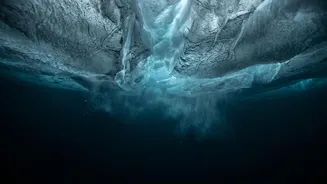
Europa and Saturn's moon Enceladus. These are not planets, but they possess the single most critical ingredient for life as we know it: vast quantities of liquid water. The Galileo mission in the 1990s provided strong evidence that Europa has a global saltwater ocean under its icy shell, one that may contain more than twice the water of all of Earth's oceans combined. Later, the Cassini mission stunningly revealed that Enceladus actively spews geysers of water, ice, and organic molecules into space from an ocean beneath its own frozen surface. This discovery has energized a major pivot in planetary science, suggesting that the conditions for life might not be so rare after all.
The Hunt for Life's Ingredients
Redefining space exploration isn't just about finding water; it's about finding water that could realistically support an ecosystem. The oceans of Europa and Enceladus are believed to be kept liquid not by the Sun, but by internal heat generated by the immense gravitational pull of their parent planets, Jupiter and Saturn. This tidal flexing could also power hydrothermal vents on the ocean floors, similar to those on Earth where vibrant ecosystems thrive without sunlight. Missions are now being designed to search for the three key ingredients for life: liquid water, essential chemical elements, and a source of energy. By analyzing the plumes of Enceladus or the fractured, salty surface of Europa, scientists hope to find biosignatures—telltale signs of biological processes. Proposed missions like the Enceladus Orbilander are designed specifically to fly through these plumes and analyze their contents for complex organic compounds and other signs of life.
New Tools for a New Frontier
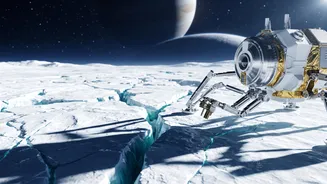
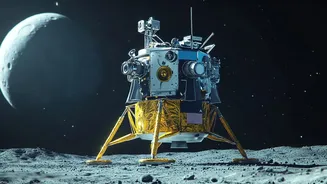
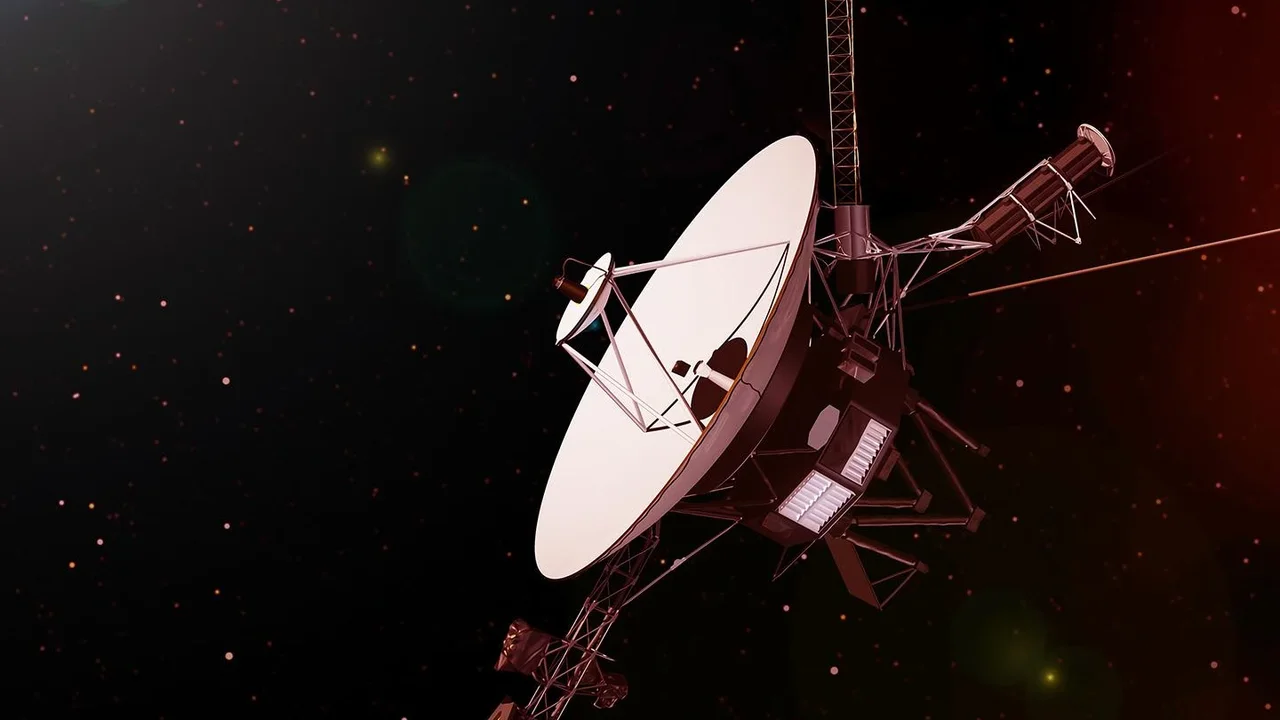
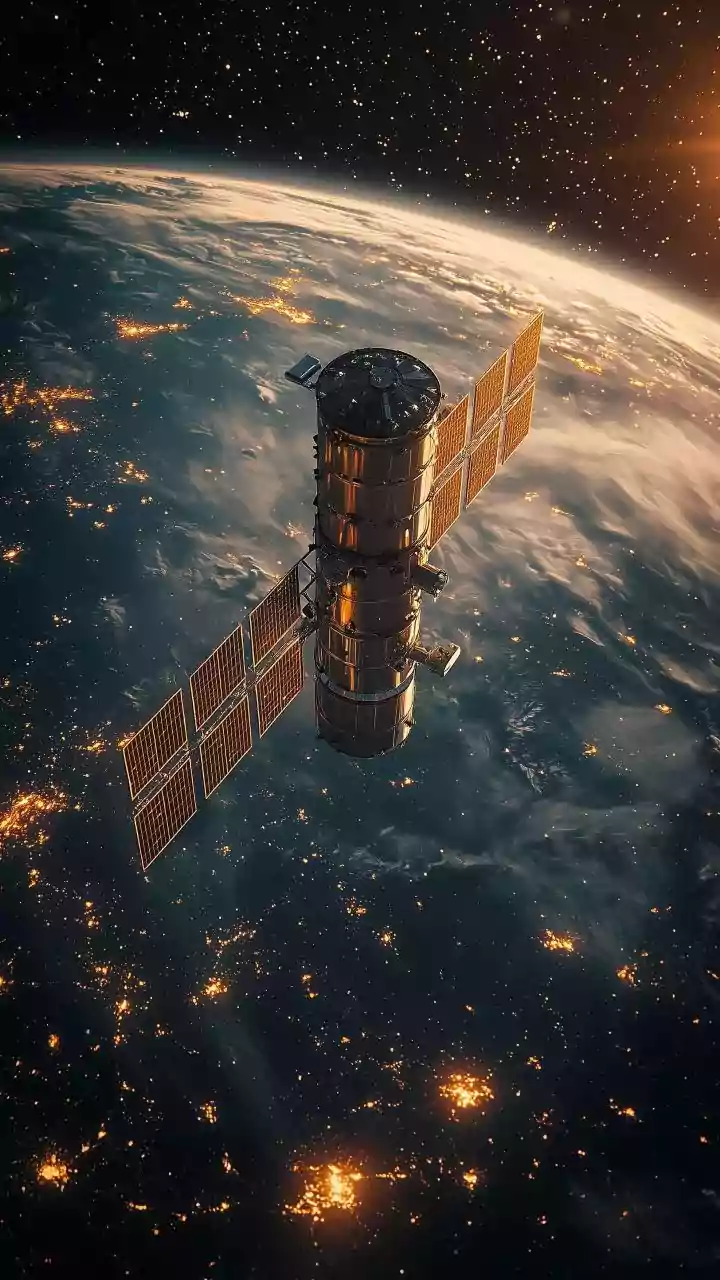
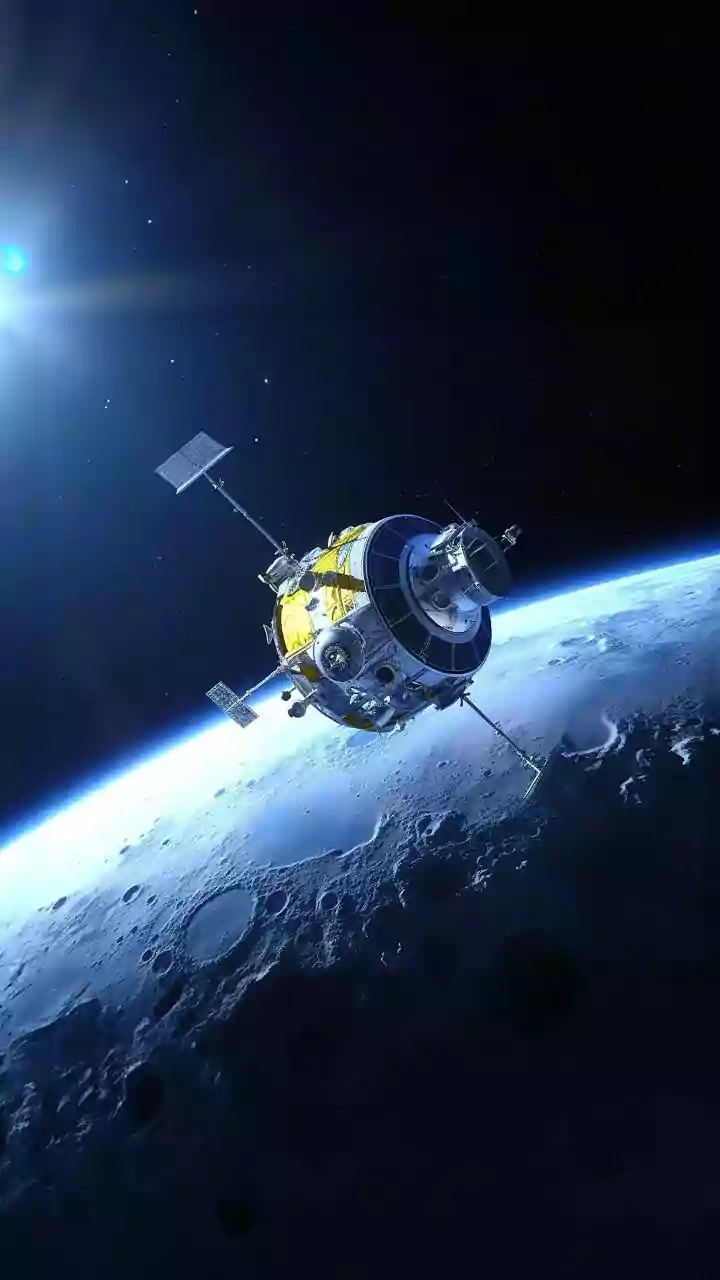
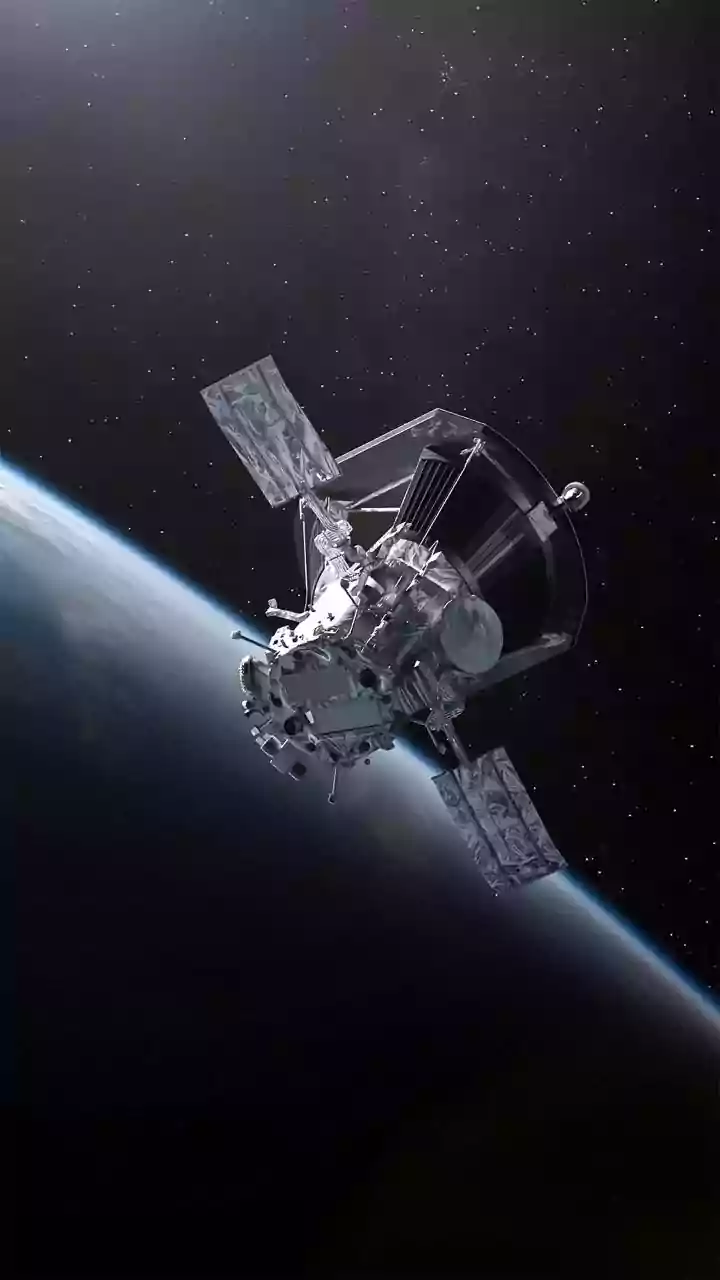
Exploring these icy worlds presents immense challenges, requiring a new generation of spacecraft and tools. NASA's Europa Clipper, which launched in October 2024, is the largest interplanetary spacecraft the agency has ever built. It is not designed to land, but to make dozens of close flybys, some as low as 25 kilometers above the surface. It carries a suite of advanced instruments, including an ice-penetrating radar to measure the thickness of the ice shell and confirm the ocean's existence, and a magnetometer to characterize its depth and salinity. Looking further ahead, engineers are conceptualizing even more ambitious missions. These include landers that could sample surface ice and, eventually, cryobots—self-contained probes that would melt their way through kilometers of ice to deploy submersibles directly into the hidden oceans. These technologies are pushing the boundaries of robotic exploration.
Redefining the 'Habitable Zone'
Perhaps the most significant change is how these missions are forcing scientists to rethink the very definition of a habitable planet. For a long time, the focus was on the "Goldilocks Zone," the narrow orbital band around a star where a rocky planet's surface is not too hot and not too cold for liquid water. Europa and Enceladus are far outside our sun's traditional habitable zone, in the frigid depths of the outer solar system. Their ability to maintain liquid oceans through tidal heating proves that the conditions for life can exist in places previously thought impossible. This expands the search for life exponentially, suggesting that countless other icy moons in our galaxy could also be habitable. It shifts the paradigm from searching for Earth-like planets to searching for Earth-like conditions, which might be found in the most unexpected places.