




Your Gut: A Bustling Inner Garden
Imagine your gastrointestinal tract as a vibrant, bustling garden populated by trillions of microorganisms. This is your gut microbiome, a complex community of bacteria, fungi, and other microbes that plays a pivotal role in your overall health. A diverse
and balanced microbiome is essential for everything from proper digestion and nutrient absorption to immune function and even mental well-being. The key to a healthy 'gut garden' is providing these beneficial microbes with the right nourishment, and that’s where your food choices—and cooking methods—come into play.
How Heat Changes Everything
Cooking is a chemical transformation. It not only makes food safer and more palatable but also alters its nutritional structure. High temperatures trigger the Maillard reaction, the process that gives browned food its delicious flavour, from a seared steak to toasted bread. However, this high-heat process can also lead to the formation of compounds called Advanced Glycation End-products (AGEs). AGEs are created when sugars react with proteins or fats at high temperatures. While your body can manage a small amount, a diet consistently high in AGEs from fried, grilled, or roasted foods is linked to increased inflammation and oxidative stress, which can disrupt gut harmony.
The Trouble with High-Heat Cooking
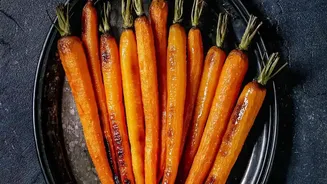
Methods like frying, grilling, broiling, and roasting can increase the AGEs in your food by 10 to 100 times compared to uncooked food. These compounds can negatively influence your gut microbiota. Some studies suggest that high dietary intake of Maillard reaction products may decrease the numbers of beneficial bacteria like lactobacilli. Furthermore, very high heat can degrade heat-sensitive, water-soluble vitamins like B vitamins and vitamin C, and break down beneficial plant fibres that your gut microbes rely on for fuel. Essentially, while high-heat cooking creates incredible flavour, it may come at a cost to the nutrient profile of your meal and the well-being of your microbiome.
The Gentle Power of Lower Temperatures
This doesn't mean you need to give up cooking altogether. Gentler, lower-temperature methods using water or moisture are excellent for preserving both nutrients and the integrity of foods that support gut health. Techniques like steaming, poaching, stewing, and boiling cook food without the intense, dry heat that promotes high AGE formation. Steaming, in particular, is one of the best methods for retaining heat-sensitive vitamins. Slow cooking also tenderises food, making plant fibres and proteins easier to digest, which can be especially helpful for those with sensitive systems. By cooking 'low and slow', you protect the delicate nutrients and compounds your beneficial gut bacteria need to thrive.
Practical Tips for Gut-Friendly Cooking
Adopting a gut-friendlier cooking style doesn't require a complete kitchen overhaul. Small adjustments can make a big difference. Try steaming vegetables instead of roasting them at high heat to retain more nutrients. When you do grill or roast meat, consider marinating it in an acidic base like lemon juice or vinegar, which can reduce AGE formation by up to 50%. Incorporate more water-based cooking like soups and stews, as many water-soluble nutrients that leach out are retained in the broth. Another interesting trick is to cook and then cool starchy foods like potatoes or rice. This process increases the formation of 'resistant starch', a type of fibre that bypasses digestion and directly feeds your beneficial gut bacteria.