




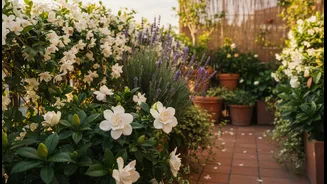



The Nursery Isn't Your Balcony
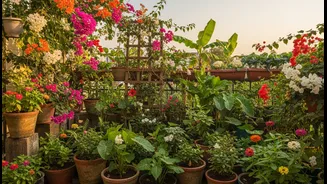
Plant nurseries are designed to be perfect, controlled environments. They often use green shade nets, timed irrigation, and ideal humidity levels to keep plants looking their best. This creates a misleading impression. Your balcony, especially in India,
is a much harsher reality. It might face intense, baking sun for hours or be cast in deep shade by a neighbouring building. Plants that thrive in a grower's perfect setup often experience shock when moved to a home with different light, temperature, and humidity. This sudden change is a primary reason why new plants struggle and often die shortly after you bring them home.
Become a Sunlight Detective
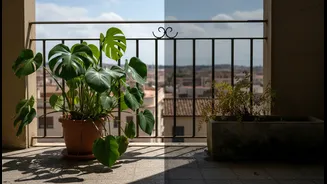
Before you buy another plant, take a day to understand your balcony's unique light pattern. This doesn't require special tools. Simply observe your space at different times: in the morning (around 9 AM), at noon, and in the afternoon (around 3 PM). Note which parts receive direct sun, for how long, and how intense it feels. The direction your balcony faces is crucial. An east-facing balcony gets gentle morning sun, a west-facing one gets harsh afternoon heat, a south-facing balcony gets strong light most of the day, and a north-facing one gets the least direct sun. This simple 'light map' is the single most important tool for choosing plants that will flourish.
Champions for Full Sun
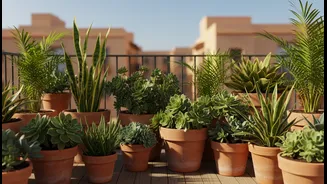
If your balcony gets six or more hours of direct, intense sunlight (typical for south and west-facing spots), you need plants that can handle the heat. Bougainvillea is a classic choice, known for its vibrant, paper-like flowers that thrive in the sun. Hibiscus is another sun-lover that produces large, stunning blooms but requires consistent watering. For a low-maintenance option, Portulaca (Moss Rose) is a hardy flowering plant that excels in intense sunlight and is great for beginners. Succulents like Aloe Vera and various cacti also do exceptionally well, as they are adapted to dry, sunny conditions. These plants have evolved to tolerate the strong sun and heat common across India.
The Partial Sun Sweet Spot
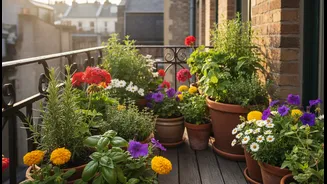
Partial sun or partial shade usually means about four to six hours of sunlight, ideally the less intense morning sun an east-facing balcony provides. Many popular flowering plants fit perfectly here. Vinca (Periwinkle or Sadabahar) is incredibly low-maintenance and blooms profusely even in the heat. Marigolds are another reliable choice, adding cheerful colour and even helping to repel pests. For foliage, Coleus offers a stunning variety of leaf colours and patterns but needs protection from the harsh afternoon sun. An east-facing balcony is also perfect for creating a small herb garden with plants like Tulsi, mint, and cilantro that appreciate the morning light.
Thriving in the Shade
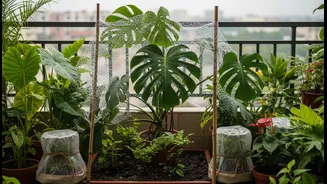
A north-facing balcony or one heavily shaded by other buildings might seem challenging, but many plants thrive with minimal or no direct sun. The key is bright, indirect light. The Money Plant (Pothos) is a favourite in Indian homes for a reason; it's incredibly versatile and can trail beautifully from shelves or baskets in low light. The Snake Plant is another nearly indestructible option, famous for its air-purifying qualities and tolerance for neglect. For a touch of elegance, the Peace Lily can produce its signature white blooms even in shady conditions. ZZ Plants, with their glossy, dark green leaves, are also tough contenders for the dimmest corners.