




From Big Spaces to Rich Experiences
For years, luxury in Indian homes was synonymous with sprawling rooms and heavy, ornate decor. Today, as urban spaces become more compact, a new philosophy has taken root: luxury is an experience, not a dimension. Homeowners and designers are moving away
from interiors that simply impress visitors towards spaces that restore and comfort the residents. This shift, often called 'quiet luxury', prioritises quality over quantity, and atmosphere over ornamentation. It's about making deliberate, thoughtful choices that create a sense of calm and sophistication. Instead of filling a room with expensive items, the focus is on premium materials, elegant lighting, and clever layouts that make a home feel special without shouting about it. This approach proves that with the right techniques, a small home can feel just as luxurious as a large one.
The Tactile Appeal of Texture
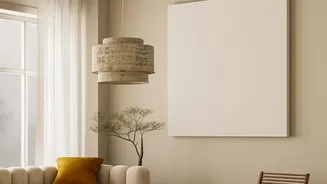
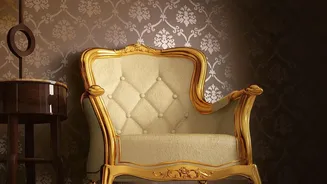
One of the most effective tools for creating this new sense of luxury is texture. While flat, plain walls can make a room feel generic, a textured surface adds visual depth and character. Designers are increasingly using a single accent wall to create a focal point without cluttering the room. Think of a subtle stucco finish behind a sofa, a wall with a soft, fabric-like paper in the bedroom, or even natural materials like cane, rattan, and reclaimed wood. These surfaces catch light in interesting ways throughout the day, making the space feel more dynamic and alive. The luxury lies in the sensory experience—the feel of a linen curtain, the grain of a wooden cabinet, or the cool smoothness of a stone countertop. These tactile details provide a sense of craftsmanship and permanence that high-gloss, synthetic finishes often lack.
Crafting Atmosphere with Layered Lighting
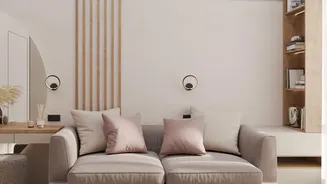
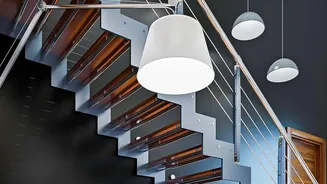
Perhaps no element transforms a small space as dramatically as lighting. Relying on a single, harsh overhead light is a common mistake that makes rooms feel flat and smaller than they are. The key to creating a luxurious atmosphere is layered lighting, which combines three types of light: ambient, task, and accent. Ambient light provides overall illumination, often achieved with soft, indirect cove lighting in false ceilings. Task lighting focuses on specific areas, like a reading lamp by a chair or under-cabinet lights in the kitchen. Accent lighting adds drama by highlighting artwork, plants, or a textured wall. Using a combination of wall sconces, slim floor lamps, and dimmable fixtures allows you to shape the mood of a room, making it feel spacious, warm, and inviting. This approach eliminates dark corners and draws the eye around the room, creating an illusion of depth and height.
Furniture That Works Harder
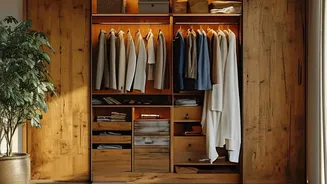
In a compact home, every piece of furniture must earn its place. Bulky, single-purpose items are being replaced by smart, multi-functional furniture that offers flexibility without sacrificing style. Pieces like sofa-beds, hydraulic storage beds, and extendable dining tables are no longer just for convenience; they are central to modern luxury living. A storage ottoman can serve as a footrest, extra seating, and a place to hide clutter. Wall-mounted desks can fold away when not in use, preserving precious floor space. Designers are also prioritising vertical space with floor-to-ceiling shelves and cabinets, which draw the eye upward and make rooms feel taller. By choosing fewer, but more intelligent pieces, a home can remain uncluttered, organised, and feel genuinely spacious.