





From Humble Root to Urban Star
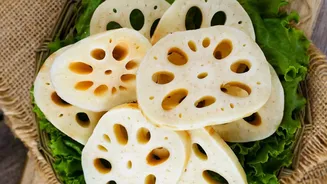
For generations, the lotus stem—known variously as kamal kakdi, nadru, or bhein across India—has been a familiar sight in regional cuisines. Traditionally, it has played a starring role in rich, elaborate dishes like Kashmiri Nadru Yakhni, Punjabi bhein ki
sabzi, and deep-fried koftas. While cherished for its unique crunchy texture and subtle sweetness, its preparation was often laborious and associated with heavy, oil-laden cooking methods. It was a vegetable rooted in tradition, simmering in family kitchens rather than headlining a trendy cafe menu. But now, a culinary shift is underway, plucking this underwater rhizome from relative obscurity and placing it firmly in the urban spotlight.
The Air-Fried Revolution
The transformation of the lotus stem is powered by one of the biggest kitchen trends of the decade: air frying. As urban Indians become increasingly health-conscious, the demand for snacks that deliver flavour and crunch without the calories of deep-frying has skyrocketed. The air fryer, which uses circulating hot air to achieve a crispy finish with minimal oil, has become the perfect tool for this reinvention. Recipes and social media are buzzing with methods for creating air-fried lotus stem chips, which turn out golden and crisp in minutes. This technique preserves the stem's signature crunch while turning it into a guilt-free indulgence, aligning perfectly with modern wellness goals.
What's On The Menu?
Walk into a progressive metro cafe today, and you might find lotus stem in forms its biggest fans would barely recognise. The most popular iteration is the air-fried chip. Sliced wafer-thin, tossed in a whisper of oil and seasoning, and air-fried to perfection, these chips are served as addictive bar snacks and appetisers. Chefs are experimenting with a wide array of seasonings, from classic chaat masala and salt to more adventurous peri-peri and sweet chilli garlic glazes. Some cafes are even creating Indo-Chinese versions, tossing the crispy stems in a light Manchurian-style sauce for a healthier take on a popular street food classic. The result is a snack that is at once familiar and novel, satisfying cravings for both traditional flavours and contemporary textures.
More Than Just a Crunch
Beyond its satisfying texture, the lotus stem is a nutritional powerhouse, making it an ideal candidate for a health-focused snack. It is naturally low in calories and fat but remarkably rich in dietary fibre, which aids digestion and promotes a feeling of fullness. A 100-gram serving contains only about 74 calories, making it an excellent choice for weight management. It's also packed with essential nutrients, including a significant amount of Vitamin C to boost immunity, potassium to help regulate blood pressure, and vital B vitamins that support brain health. By air-frying the stem instead of deep-frying it, cafes are ensuring that these benefits are retained, offering a snack that genuinely contributes to well-being.
A Taste of Modern Nostalgia
This trend is more than just a passing fad; it represents a deeper cultural shift in how urban India relates to its food heritage. It’s about modern nostalgia—finding ways to enjoy the flavours of childhood in a manner that fits a contemporary lifestyle. The air-fried lotus stem is a perfect symbol of this movement. It honours a traditional ingredient but frees it from its heavy, time-consuming preparations. It takes the spirit of street food—quick, crunchy, and flavourful—and adapts it for a new generation of diners who are mindful of their health but unwilling to compromise on taste. It is a delicious reconciliation of past and present, served up one crispy, guilt-free bite at a time.