


Sedona, Arizona: The Red Rocks Glow
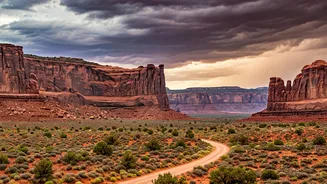
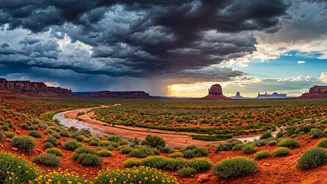
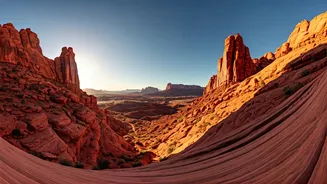
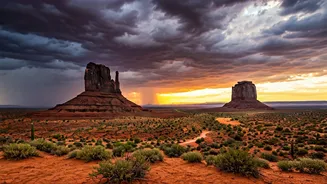
There’s no place where the contrast of a storm feels more spiritual than Sedona. From July through mid-September, the North American Monsoon delivers afternoon thunderstorms that are nothing short of a spectacle. Imagine sitting on a covered patio as dark,
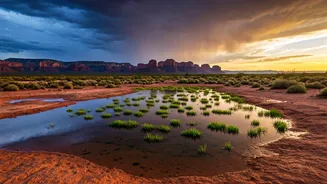
bruised clouds gather over the iconic red rock formations of Cathedral Rock or Bell Rock. The air, once shimmering with dry heat, cools instantly. Then comes the rain—a sudden, cleansing downpour that makes the terracotta landscape glow with an impossible saturation. The unique smell of rain on red dust and juniper fills the air. This isn’t a time for long, exposed hikes in the middle of the day. Instead, it’s for early morning walks, lazy afternoons watching the weather roll in, and experiencing the incredible light that follows a storm, when the setting sun breaks through the clouds and sets the wet rocks ablaze with color.
Santa Fe, New Mexico: High Desert Drama
Santa Fe sits at 7,000 feet, giving its monsoon season a distinct high-desert character. The city’s famous light becomes even more extraordinary during the summer rains. The sky, vast and often a piercing blue, puts on a daily performance. Fluffy white clouds build into towering thunderheads by mid-afternoon, creating a dramatic backdrop for the city’s timeless adobe architecture. When the storm breaks, it’s often a brief but intense affair, leaving the air crisp and clean. One of the most cherished sensory experiences here is the smell of rain hitting the piñon and sage-covered hillsides—an earthy, sweet perfume known as 'petrichor' that locals eagerly await all year. It’s the perfect time to explore the city’s world-class museums, galleries on Canyon Road, and incredible culinary scene. A monsoon-season evening in Santa Fe, spent on a portal (a covered porch) watching lightning flicker in the distance, is an essential Southwestern experience.
Grand Canyon, Arizona: A Show Above the Chasm
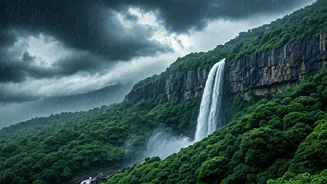
Seeing the Grand Canyon is a bucket-list item for many, but seeing it during a monsoon storm is a next-level encounter with the power of nature. While safety is paramount—stay away from the rim during a lightning storm—the visual rewards are immense. The storms rarely fill the canyon with rain, but instead create a breathtaking show above it. From the safety of viewpoints along the South Rim, you can watch as lightning forks across the sky, illuminating the canyon’s layers in a split-second flash. The sound of thunder echoes and reverberates through the mile-deep chasm, a sound you can feel in your chest. Even more magical are the temporary waterfalls that can appear after a heavy downpour, cascading down cliff faces that were bone-dry moments before. The storms often clear as quickly as they arrive, leaving behind double rainbows and some of the most spectacular sunsets imaginable as the light fractures through the humid air.
Tucson & Saguaro National Park: Sonoran Splendor
Nowhere is the life-giving nature of the monsoon more evident than in the Sonoran Desert surrounding Tucson. This is the classic desert landscape of iconic saguaro cacti, and during the monsoon, the entire ecosystem seems to exhale in relief. The season, known locally as the 'second spring,' brings a surge of green to the desert floor and coaxes out blooms from plants that lie dormant the rest of the year. The smell of creosote bush after a rain is the definitive scent of the desert, a sharp, clean aroma you won’t forget. Saguaro National Park is the prime location for witnessing this transformation. Plan your visit for early morning or late afternoon to avoid the heat, and you’ll be rewarded with scenes of majestic saguaros silhouetted against colossal, anvil-shaped clouds. It’s a photographer’s dream and a powerful reminder of how resilient and beautiful life in the desert can be.