





The Fabric and Its Roots
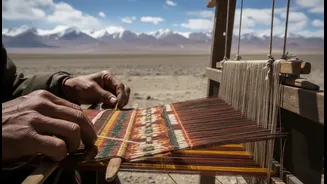
Akwete cloth is a traditional handwoven textile originating from the town of Akwete in Abia State, Nigeria. For centuries, Igbo women have practiced this craft, transforming fibres like cotton, raffia, and sisal-hemp into intricate fabrics. Historically,
the weaving was done on a vertical loom, a technique that allows for wider panels of cloth than many other West African traditions. This distinction means Akwete is often woven in large, seamless pieces perfect for wrappers, gowns, and other garments without needing to stitch smaller strips together. While originally used for everything from towels (known as 'Akwa Miri' or 'cloth of the water') to ceremonial wear, today it is celebrated for its beauty and cultural weight.
A Legacy Born of Innovation
The story of modern Akwete is inseparable from the legendary 19th-century weaver, Dada Nwakwata. Oral traditions credit her with revolutionizing the craft. During a time of booming trade, Nwakwata was inspired by the designs of imported fabrics and textiles traded with neighbouring communities like the Ijo. She began to deconstruct and study these cloths, mastering their complex patterns and developing her own unique, intricate motifs. Her skill was so profound that legend says her designs were kept secret until after her death. Nwakwata’s innovation elevated Akwete from a simple, functional cloth to a highly sought-after, decorative textile, laying the foundation for the art form as it exists today.
The Language of the Loom
Akwete cloth is not just visually stunning; it's a form of communication. The weavers, who claim to know over a hundred motifs, embed deep cultural meaning into their designs. These patterns are a visual language, representing everything from social status and historical events to proverbs and spiritual beliefs. Perhaps the most famous motif is the 'ikaki', or tortoise pattern. The tortoise is a symbol of wisdom and cunning in Igbo fables, and this pattern was traditionally reserved for royalty; any commoner who wore it risked being sold into slavery. Another significant pattern is 'ebe', which was used as a protective talisman for pregnant women and warriors. The creation of new motifs is often considered a spiritual gift, granting the weaver an unwritten copyright to their design.
From Traditional Craft to Modern Couture
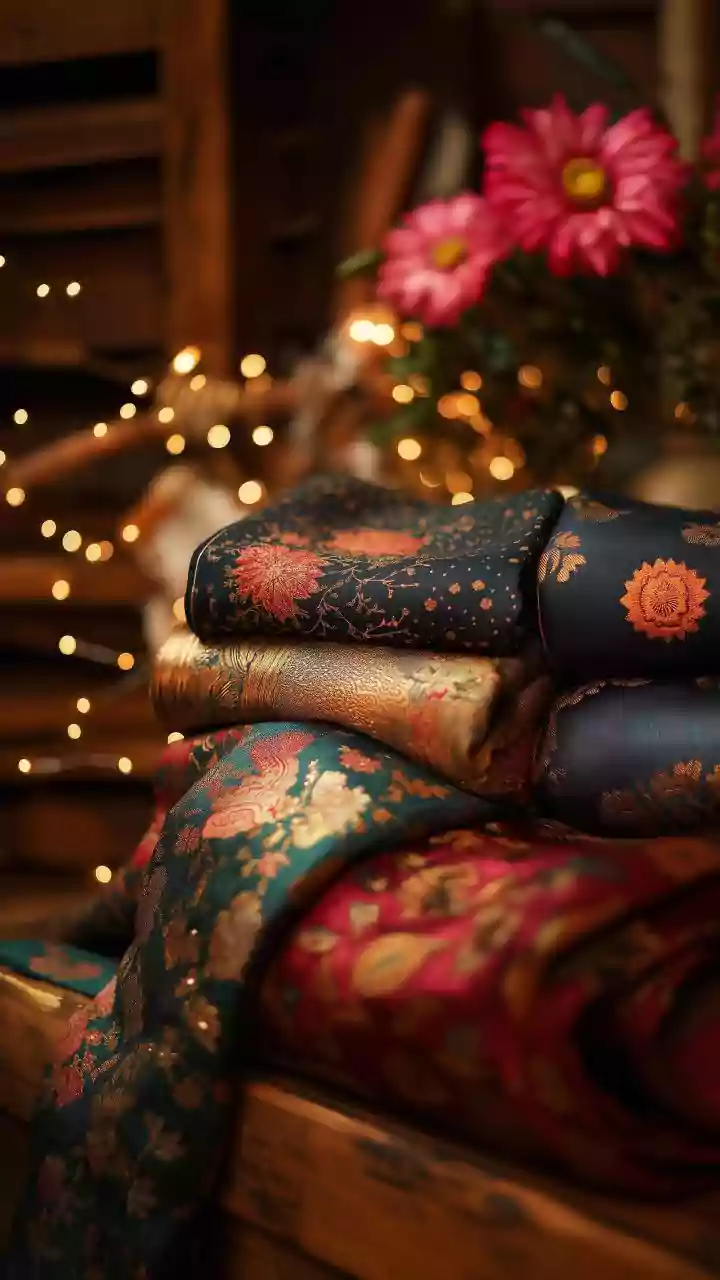
Once reserved for ceremonial wrappers, Akwete is experiencing a powerful resurgence in contemporary fashion. A new generation of Nigerian and international designers are embracing the fabric, drawn to its rich texture, authenticity, and narrative power. Designers like Emmanuel Okoro of Emmy Kasbit, Florentina Agu of Hertunba, and Precious Nene-Johnson of P N J Official are reimagining Akwete for the modern wardrobe. They are transforming the handwoven textile into structured jackets, elegant gowns, and sophisticated streetwear. This revival was highlighted on the global stage when former British Prime Minister Theresa May wore a custom Emmy Kasbit Akwete jacket during a visit to Nigeria in 2018. This blend of ancient technique with modern silhouettes ensures that Akwete is not just preserved but is a living, evolving part of the global fashion conversation.