

Berbere: Ethiopia's Fiery Heart
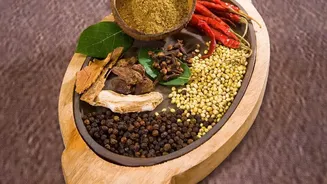
Berbere is the cornerstone of Ethiopian and Eritrean cooking, a brick-red powder that provides both fiery heat and complex warmth. Its name means 'hot' in Amharic, but its flavour is far more than just chilli. At its core are dried red chilli peppers,
but the blend is layered with a dozen or more other spices, creating a profile that is at once earthy, sweet, and citrusy. One key ingredient is fenugreek, which lends a subtle, nutty bitterness that balances the heat. You'll also often find aromatic additions like ginger, garlic, cardamom, cinnamon, and cloves. This blend reflects Ethiopia's ancient history as a hub on the Silk Road, where spices from Asia were integrated into local culinary traditions. Berbere forms the base of many stews, known as 'wats', including Doro Wat, the national dish of Ethiopia.
Ras el Hanout: The Best of the Shop
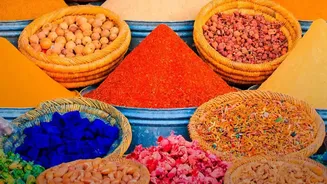
Travel to North Africa, particularly Morocco, and you'll encounter Ras el Hanout. The name translates from Arabic as 'head of the shop', which implies it is a mixture of the best spices a merchant has to offer. There is no single definitive recipe; each family and spice vendor has their own secret formulation that can contain anywhere from ten to over 40 different spices. However, most blends are built around a core of warm and earthy spices. Cumin is fundamental, providing a savoury, earthy base. Paired with warming spices like cinnamon, nutmeg, cloves, and ginger, and fragrant ones like cardamom and coriander, the result is a beautifully aromatic and complex blend. Some versions may even include dried rose petals or fennel seeds for a floral touch. It is a versatile seasoning used in everything from tagines and couscous to rubs for meat.
Dukkah: Egypt's Nutty Condiment
Dukkah, also spelled duqqa, is an Egyptian blend of nuts, seeds, and spices that is utterly unique in its texture and flavour. The name comes from the Arabic word 'to pound', which describes the traditional method of making it with a mortar and pestle. The base is typically a nut, with hazelnuts being a common choice, though almonds, pistachios, and even peanuts are also used. A key ingredient that defines Dukkah is toasted sesame seeds, which add a rich, nutty flavour and a delightful crunch. These are blended with spices like coriander and cumin, which provide a warm, earthy backbone. Often, dried mint is included for a hint of freshness. Unlike other blends that dissolve into a dish, Dukkah is often used as a condiment, famously served with bread dipped in olive oil, or sprinkled over vegetables, salads, and hummus.
Suya Spice (Yaji): A Taste of West Africa
A tour of West African street food, especially in Nigeria, would be incomplete without the smoky, spicy aroma of Suya. This popular grilled meat skewer gets its signature flavour from a spice rub known as Yaji or simply Suya spice. What makes this blend distinct is its crucial ingredient: ground roasted peanuts. Often, a dehydrated peanut cake called 'kuli kuli' is used, which gives the blend a nutty, savoury depth and a slightly crunchy texture that forms a perfect crust on grilled meats. This peanut base is electrified with a generous amount of dried chilli or cayenne pepper for a powerful kick. To round out the flavour, aromatic ingredients like ground ginger, garlic powder, and onion powder are also essential components. The result is a smoky, nutty, and intensely savoury spice blend that is addictively delicious.
Tsire: The Kebab Coating
Closely related to Suya spice, Tsire is another blend from West Africa traditionally used for coating kebabs before grilling. While it shares many characteristics with Yaji, including a base of ground nuts in many versions, the emphasis can sometimes shift to a different array of aromatic spices. One of the defining ingredients often found in Tsire is allspice. Allspice provides a complex flavour that tastes like a combination of cinnamon, nutmeg, and cloves, lending a warm, sweet, and slightly peppery note to the mix. This is balanced with the heat of crushed red chillies and the savoury depth of ingredients like cloves, nutmeg, and ginger. The raw meat is typically dipped in oil or sometimes a beaten egg before being coated in the Tsire powder, which helps the spice mix adhere and form a flavourful crust when cooked.