
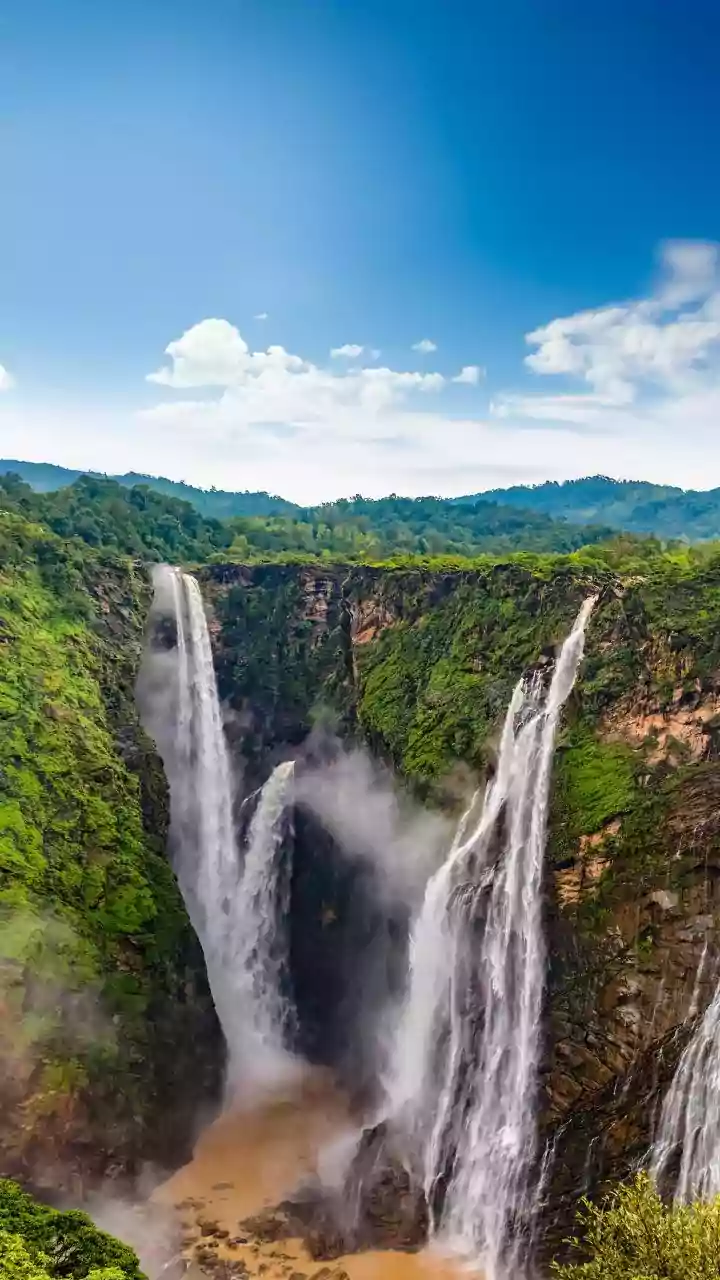

The relentless pace of city life can leave even the most resilient feeling drained. In response, a powerful travel trend is emerging across India: a move away from long, elaborate holidays toward short, restorative nature escapes close to home.
The Potent Cure for Urban Burnout
Life in
India's major metros is often a high-pressure mix of demanding careers, long commutes, and constant digital connectivity, leading to significant mental and physical fatigue. The traditional annual vacation can feel too far away to offer regular relief, and the stress of planning it can feel like another project. This has given rise to the 'micro-vacation' — short, frequent breaks taken every few weeks to prevent stress from accumulating. Experts suggest these regular resets are more effective for maintaining productivity and well-being than a single long holiday once a year. Nature-based getaways, in particular, provide a powerful antidote, allowing city dwellers to swap traffic noise for birdsong and regulate their nervous systems.
Convenience Is the New Luxury
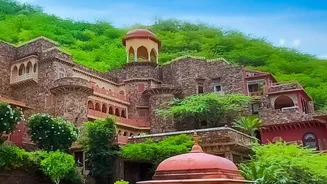
For many urban professionals, time is the ultimate luxury. The appeal of a short regional escape lies in its simplicity and low-effort planning. Instead of dealing with flight bookings and complex itineraries, a weekend trip is often just a two-to-four-hour drive away, thanks to improved road connectivity and expressways. This accessibility makes spontaneous trips possible without needing to take paid leave from work. With rising airfares and travel costs, these 'drivecations' are also a more budget-friendly option, allowing for multiple breaks throughout the year instead of a single expensive one. The focus has shifted from the destination to the feeling of escape, valuing rest over a packed schedule.
The 'Workcation' and Flexible Lifestyles
The rise of hybrid and remote work has fundamentally changed how and when people travel. The 'workcation' has moved from a niche concept to a mainstream travel style, with professionals blending work and leisure by logging in from a scenic resort or a quiet farm stay. Many now extend weekends by working remotely on a Friday or Monday, turning a standard two-day break into a longer, more refreshing escape. Boutique resorts, farmhouses, and homestays have adapted by offering high-speed internet and comfortable workspaces, catering to this new demand. This allows professionals to enjoy a change of scenery and a mental reset without falling behind on their work commitments.
A Search for Authentic Experiences
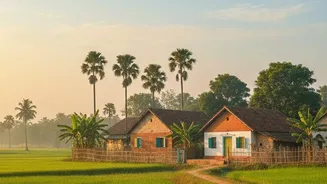
Modern travellers are increasingly seeking authentic experiences over crowded tourist traps. There is a growing desire to connect with local culture, cuisine, and ways of life. Farm stays and eco-lodges, in particular, are seeing a surge in popularity as they offer immersive rural experiences, from participating in organic farming to enjoying farm-to-table dining. This shift reflects a deeper change in mindset, where travellers are prioritising meaningful connections and learning something new. Supporting these smaller, often family-owned establishments also contributes directly to the local economy, adding a layer of sustainable and responsible tourism to the travel experience.
Rediscovering India's Own Backyard
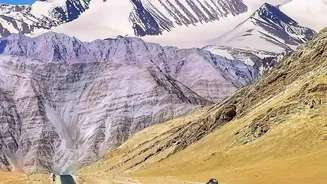
For a long time, international travel was the primary aspiration for many Indians. However, there has been a significant shift towards domestic exploration. A 2026 travel index showed that 60% of Indian travellers planned to holiday within the country, well above the global average. This inward focus is driven by a rediscovery of India's diverse landscapes, from the coffee plantations of Coorg to the serene backwaters of Kerala and the hills of Uttarakhand. The boom in content about domestic destinations on social media has further fuelled this curiosity, revealing hidden gems and making local travel more aspirational than ever.