


A Sweet Welcome to the Rains
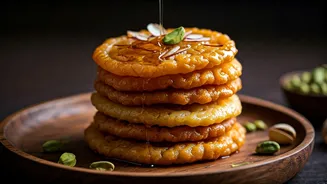
Malpua is, at its heart, a simple indulgence. It's a sweet pancake made from a batter of flour, milk, and sugar, fried to perfection in ghee. The result is a delightful contrast in textures: a crisp, lacy edge that gives way to a soft, fluffy centre.
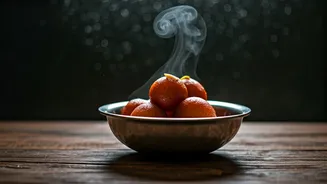
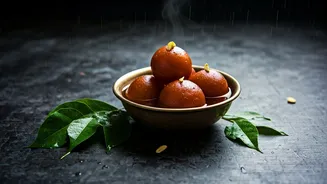
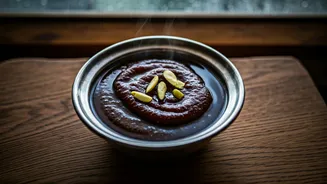
Once fried, these golden discs are submerged in a fragrant sugar syrup, often infused with cardamom or saffron, allowing them to soak up the sweetness. Served hot, sometimes with a dollop of creamy rabri (thickened sweet milk), malpua is the perfect antidote to a grey, rainy day. [4, 19, 20] The warmth of the freshly fried sweet and the energy from its sugary coating provide immediate comfort against the damp chill of the monsoon, making it a seasonal staple. [4, 24]
An Ancient Indulgence
The love for this dessert is anything but new. Malpua is considered one of India's oldest sweets, with its origins tracing back thousands of years. [2, 7] Early mentions appear in the Rigveda, one of the ancient sacred texts, where a similar preparation called 'apupa' is described. [3, 7, 9] This early version was made from barley flour—a primary grain of the Vedic era—fried in ghee and sweetened with honey. [2, 3, 7] Over centuries, the recipe evolved. By the 2nd century CE, texts mention the use of wheat flour, milk, sugar, and spices like ginger and pepper. [3, 9] The dessert continued to adapt, with Islamic courts later introducing richer versions containing egg and mawa (milk solids). [3, 9] This long history, stretching from ancient rituals to royal kitchens, has cemented malpua's place in India's culinary heritage. [2]
The Monsoon Connection
While enjoyed during various festivals like Holi and Diwali, malpua holds a special connection to the monsoon months. [2, 11] The craving for hot, fried foods is a near-universal experience during the rains, and malpua fits the bill perfectly. [24] There's a sensory magic in the experience: the sound of batter sizzling in a hot kadhai, the sweet aroma filling the home, and the feeling of biting into a warm, syrup-laden treat while watching the downpour outside. [24] It's a dish intrinsically linked to the comfort of home and family. In many households, the arrival of the monsoon is the signal to bring out the family recipe and prepare a batch to share, turning a rainy afternoon into a small celebration of togetherness. [22]
A Treat With Many Faces
Like many Indian dishes, malpua has countless regional avatars, each reflecting local tastes and ingredients. In Bihar, it's often called 'pua' and made with mashed bananas in the batter, a staple during Holi but also enjoyed in the rains. [3, 8] The Odia version, known as 'amalu', is a key offering at the Jagannath Temple in Puri and may include coconut. [3, 9] West Bengal offers variations like 'taaler malpua' made with date palm and 'ranga aloor malpua' using sweet potato. [3, 8] In Rajasthan, a particularly rich version is made by incorporating rabri directly into the batter before frying. [3, 13] These diverse interpretations ensure that almost every region has its own beloved take on this classic dessert, all while retaining its core identity as a fried, sweet pancake. [8]
More Than Just a Dessert
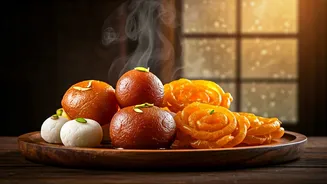
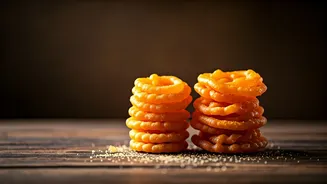
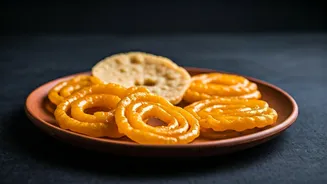
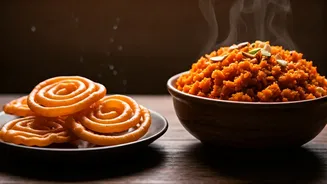
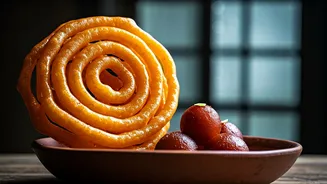
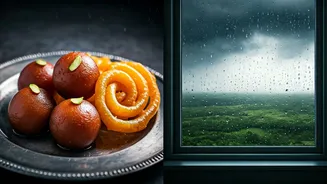
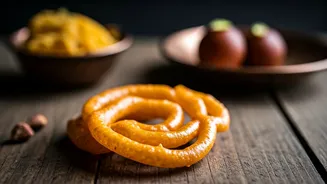
While Malpua is a monsoon favourite, other sweets like Ghevar also stake a strong claim to the season. Ghevar, a disc-shaped honeycomb dessert from Rajasthan, is intrinsically linked to monsoon festivals like Teej and Raksha Bandhan. [6, 12] The humidity in the monsoon air is even said to be perfect for achieving Ghevar's unique crispy texture. [6] Similarly, hot jalebis are a popular craving when the weather cools down. [21] However, the sheer simplicity and pan-Indian adaptability of malpua give it a unique and personal appeal. It's a dessert that feels both festive and homely, special enough for an occasion but simple enough for a spontaneous rainy-day treat. It is a symbol of joy and hospitality, a bridge between ancient traditions and modern celebrations. [3]