
The Perseid Meteor Shower Peaks
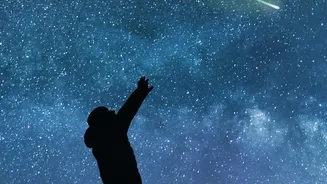
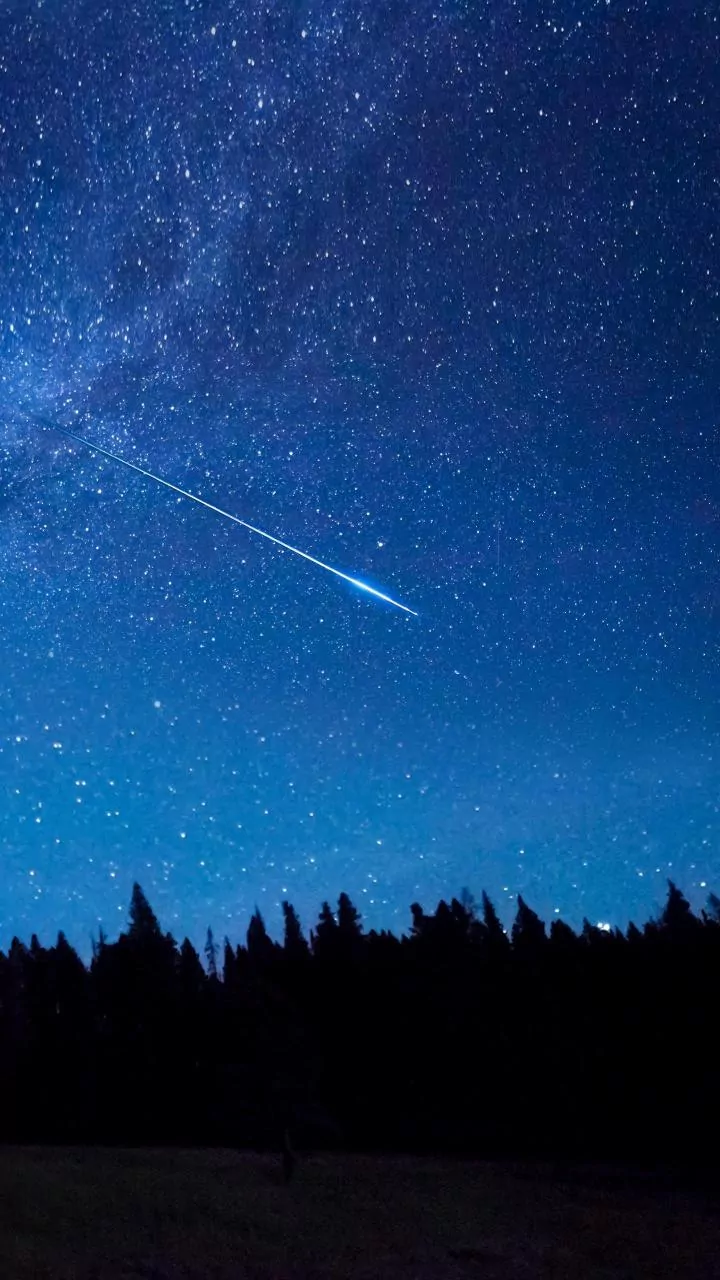
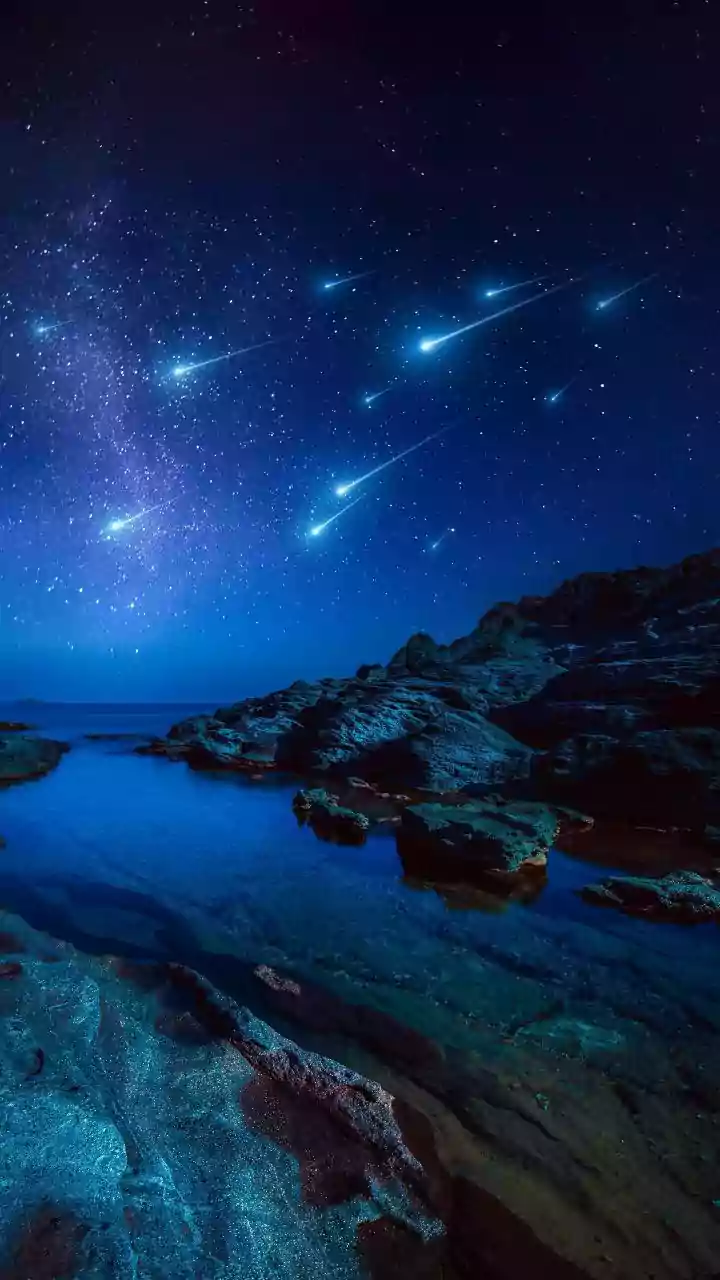
This is the main event for August. The Perseid meteor shower is one of the most brilliant and reliable showers of the year, and 2026 offers a perfect viewing opportunity. The peak is expected on the night of August 12 and into the pre-dawn hours of August 13.
What makes this year special is that the peak coincides with a New Moon, meaning the skies will be exceptionally dark without any moonlight to wash out the fainter meteors. Under ideal conditions, away from city lights, you could see up to 90 or 100 shooting stars per hour. For the best views in India, find a dark location after midnight on August 13, with the prime time being between 2:00 AM and 4:30 AM IST. Look towards the northeastern sky, where the constellation Perseus (the shower's radiant point) will be rising.
A Partial Lunar Eclipse
Mark your calendars for the end of the month. On August 28, a partial lunar eclipse will be visible across India. During this event, a portion of the Full Moon will pass through the Earth's darkest shadow, the umbra. This will cause part of the lunar surface to appear noticeably dimmer or reddish, creating a striking sight in the night sky. The full moon in August is traditionally known as the Sturgeon Moon. The eclipse will coincide with this full moon, offering a unique photographic and viewing opportunity. Check local listings closer to the date for the exact timing of the eclipse phases in your city.
Saturn Shines Brightly
The ringed planet, Saturn, will be a prominent feature in the evening sky throughout August. It will be rising in the east in the evening and will be visible all night long. August is a great time to observe Saturn as it approaches its opposition in early October. Opposition is when Earth passes directly between the Sun and an outer planet, making the planet appear at its biggest and brightest in our sky. While you'll need a telescope to see its famous rings, Saturn will be easily visible to the naked eye as a steady, yellowish point of light. In August, it will be located in the constellation Cetus.
A Parade of Morning Planets
Early risers are in for a treat around August 12, when a lineup of planets will be scattered across the pre-dawn sky. This includes Mars, Saturn, Mercury, and Jupiter, which should be visible to the naked eye. Mars will appear as a reddish point of light high in the eastern sky before dawn. On the morning of August 9, the waning crescent Moon will appear close to Mars, making the Red Planet easier for beginners to locate. Bright Jupiter and Mercury will be very low on the eastern horizon just before sunrise, so you will need a clear, unobstructed view to spot them.
Spot the Summer Triangle
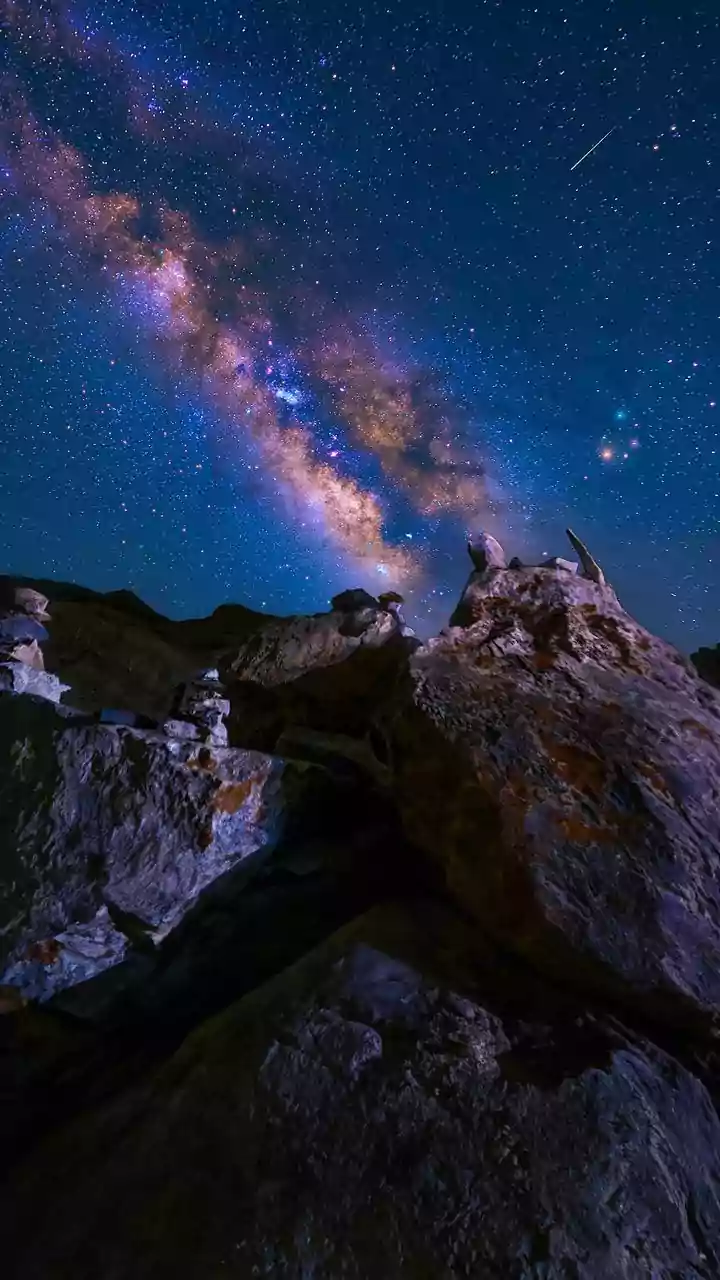
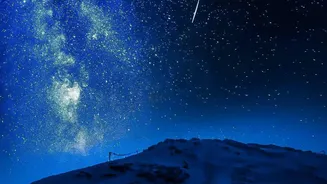
While not a single event, the Summer Triangle is a dominant and easily recognizable star pattern (or asterism) in the August sky. Look directly overhead on a clear evening to find it. It's composed of three bright stars from three different constellations: Vega in Lyra (the Lyre), Deneb in Cygnus (the Swan), and Altair in Aquila (the Eagle). Vega is typically the brightest star you'll see almost straight up. This celestial landmark is a great starting point for navigating the rich star fields of the Milky Way, which runs right through the triangle and is especially beautiful from dark-sky locations during this time of year.