




Why Monsoon Wreaks Havoc on Your Skin
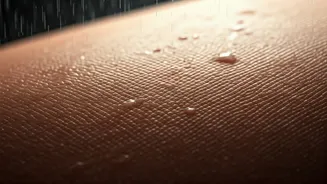
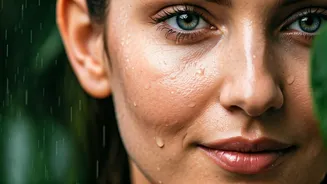
While the rains offer a refreshing change, the accompanying surge in humidity creates a challenging environment for our skin. The combination of moisture in the air and increased sweat production can lead to clogged pores and a weakened skin barrier.
[15] This damp, warm environment becomes a perfect breeding ground for bacteria and fungi. [10, 13] As a result, many people experience a spike in skin problems like acne, eczema flare-ups, and fungal infections such as ringworm and athlete's foot. [10] These conditions often manifest as itchy, red, and persistent rashes, making proper skincare crucial during this season. [6, 13]
Enter Neem: Nature’s Skin Protector
For centuries, neem (Azadirachta indica) has been a cornerstone of traditional Indian medicine and Ayurveda, often called the "village pharmacy" for its wide-ranging benefits. [4, 5] The power of neem lies in its rich composition of bioactive compounds. [4] It is packed with potent antibacterial, antifungal, and anti-inflammatory properties, making it a natural warrior against skin ailments. [5, 11] Scientific reviews have highlighted that phytochemicals in neem, like nimbin and nimbidin, can disrupt the cell membranes of harmful microbes, helping to prevent and treat infections caused by various strains of bacteria and fungi. [4, 16] This makes it an ideal ingredient for tackling the specific challenges posed by monsoon weather. [3]
How Neem Soap Fights Monsoon Rashes
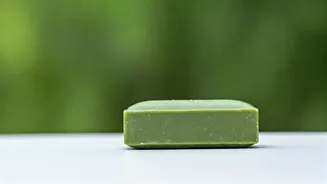
Incorporating neem soap into your daily bathing routine is a simple yet effective strategy for monsoon skincare. Its primary benefit is its ability to thoroughly cleanse the skin, removing the sweat, dirt, and excess oil that can clog pores. [21] The natural antibacterial properties target germs that cause boils, acne, and other bacterial rashes. [2, 8] Simultaneously, its antifungal action helps combat common rainy-season fungal infections. [7, 22] Beyond just cleansing, the anti-inflammatory compounds in neem help to soothe irritation, calm redness, and reduce the itching associated with rashes, providing gentle relief without the harshness of some chemical products. [2, 5]
Choosing and Using Your Neem Soap
Not all neem soaps are created equal. To reap the full benefits, look for products that list real neem oil or neem leaf extract high on the ingredient list. [22] Many formulations also include complementary ingredients like turmeric, known for its healing properties, or moisturizing agents like shea butter, glycerin, or aloe vera to prevent the skin from drying out. [17, 24] Some soaps with a higher concentration of neem can be slightly drying, so it's important to choose one that suits your skin type. [25] For best results, shower at least once a day, and preferably twice if you’ve been sweating a lot, to keep your skin clean and free from infection-causing microbes. [6]
A Holistic Monsoon Skincare Routine
While neem soap is a powerful tool, it works best as part of a broader skincare strategy. Always keep your skin as dry as possible; if you get caught in the rain, change out of damp clothes immediately. [9, 13] Opt for loose, breathable fabrics like cotton to allow for better air circulation and prevent moisture from being trapped against your skin. [6, 10] Applying an antifungal dusting powder to areas prone to sweat, such as underarms and between the toes, can provide an extra layer of protection. [13] Furthermore, staying hydrated by drinking plenty of water and maintaining a balanced diet low in oily foods can help keep your skin healthy from the inside out. [20]