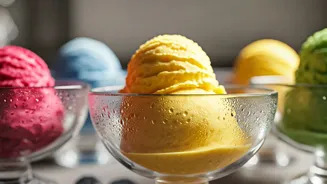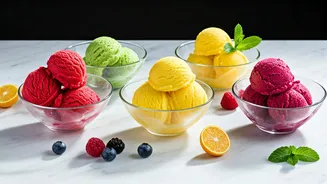


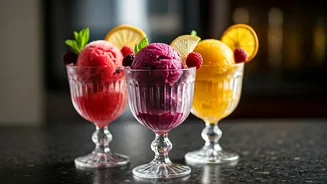



The Sweet Escape, Minus the Weight
In the world of desserts, ice cream often reigns supreme, a creamy, decadent comfort. But with its richness comes a certain density, a fullness that can sometimes feel like a commitment. After a hearty meal or on a hot Indian afternoon, the thought of a heavy,
dairy-laden dessert can be less appealing. We seek a different kind of satisfaction—one that is bright, refreshing, and doesn't leave us feeling weighed down. Fruit sorbet answers this call perfectly. It offers the joy of a frozen treat and the pure, intense flavour of fruit, all wrapped up in a light, almost ethereal texture that cleanses the palate rather than coating it.
Not Just Fruit-Flavoured Ice
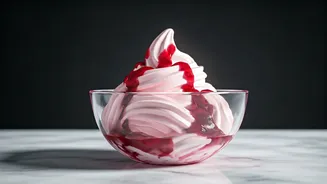
So what exactly separates sorbet from its frozen cousins? The definition is beautifully simple. At its core, a true sorbet consists of just two primary ingredients: fruit purée and sugar, churned together with water. That’s it. There is no cream, no milk, and no eggs. This fundamental difference is what gives sorbet its unique character. Unlike ice cream, which relies on fat from dairy to create a rich, smooth texture, sorbet achieves its consistency through a careful balance of sugar, water, and the natural pectin from the fruit. Gelato, its Italian relative, often has less cream and more milk than ice cream and is churned at a slower speed, making it denser. Sherbet, often confused with sorbet, is a middle ground—it's mostly fruit and sugar, but with a small amount of dairy (like milk or cream) added for a touch of creaminess.
The Magic Is in What's Missing
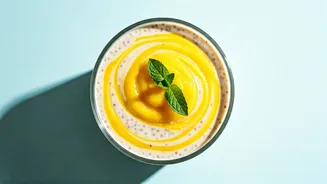
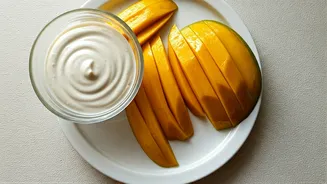
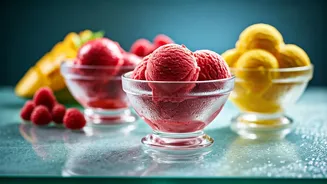
The reason sorbet ‘feels’ so much lighter comes down to a simple matter of composition: the absence of dairy fat. Fats are calorie-dense and take longer for our bodies to digest, contributing to a prolonged feeling of fullness. Dairy fat, in particular, has a tendency to coat the tongue, which can mute more delicate flavours and create a lingering, rich sensation. Sorbet, by contrast, is a water-based creation. When you take a spoonful, the flavour is immediate, bright, and clean. It melts quickly on the tongue, delivering a burst of pure fruit taste—be it the zesty punch of a lemon, the deep sweetness of a mango, or the tartness of a raspberry. The finish is crisp and refreshing, leaving your palate feeling cleansed and ready for the next bite, not saturated.
A Note on Sweetness
It’s important to bust one common myth: ‘less heavy’ does not automatically mean ‘healthier’ or low in calories. While sorbet is virtually fat-free, sugar plays a crucial structural role. It’s not just for sweetness; sugar lowers the freezing point of the water, preventing the sorbet from turning into a solid, un-scoopable block of ice. It’s what helps create that fine, smooth crystalline structure. Consequently, many commercially made sorbets have a sugar content comparable to, or sometimes even higher than, ice cream. The choice between the two is less about good-versus-bad and more about what kind of indulgence you’re in the mood for. With sorbet, you’re trading the richness of fat for the clean, straightforward sweetness of sugar.
Finding Your Perfect Scoop
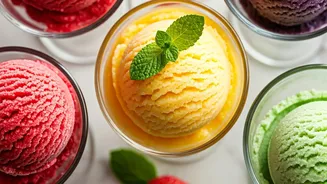
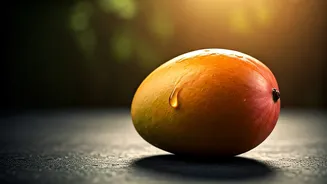
The quality of sorbet can vary widely, but a great scoop is a thing of beauty. When you’re choosing one, whether at a parlour or from a grocery store tub, look at the ingredients list. The best sorbets will have fruit purée or fruit juice as the first ingredient, followed by water and sugar. Be wary of those that list water first or contain a long list of artificial flavours, colours, and stabilisers. The colour should look like the actual fruit, not a neon-bright caricature. A good mango sorbet should be the colour of a ripe mango, not a fluorescent orange. The texture should be smooth, not icy or gritty, indicating a well-made, well-balanced recipe.