






Beyond Cats and Dogs
There's a quiet revolution happening in urban Indian households. While the love for dogs and cats remains timeless, a different kind of pet ownership is capturing the imagination of a new generation. We're talking about the rise of the ‘indoor pet’—a
category that includes everything from colourful budgerigars and chirpy finches to placid bearded dragons, curious geckos, and furry hamsters. These creatures, perfectly suited for contained environments, are becoming the companions of choice for many city dwellers, turning compact apartments into miniature menageries. This isn't just about having a pet; it's about curating a living space that includes a small, manageable, and often very photogenic, piece of the natural world.
The Urban Squeeze
So, why the sudden surge in popularity? The answer lies in the changing landscape of our cities. As more Indians move into urban centres, living spaces are shrinking. The sprawling bungalows with large gardens that could accommodate an energetic Golden Retriever are a dream for most. The reality is a two-bedroom flat in a high-rise. Large pets require space to roam, daily walks, and significant physical exercise—luxuries that many working professionals in bustling metros simply cannot afford in terms of time or square footage. Smaller pets like birds, hamsters, or guinea pigs offer a practical solution. They provide companionship and joy without needing a park for their daily constitutional, making them a perfect fit for the modern, fast-paced, and space-conscious urban lifestyle.
Fuelled by the Feed
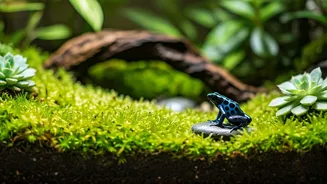
The “viral” aspect of this trend cannot be overstated. Instagram, YouTube, and TikTok are filled with accounts dedicated to these miniature pets. A well-designed terrarium for a gecko or a brightly coloured cage for a pair of lovebirds is not just a home for an animal; it's an aesthetic statement. Owners share everything from feeding times and habitat cleaning to cute moments and funny antics. This online visibility serves a dual purpose. It creates a community where owners can exchange tips and share their passion. But it also turns these pets into status symbols of a sort—a marker of a person who is trendy, caring, and capable of curating a beautiful life, both online and off. The perfect shot of a hamster nibbling a tiny piece of broccoli can garner thousands of likes, fuelling a cycle of aspiration and imitation.
A Dose of Daily Delight
Beyond the practicalities and social media glamour, the emotional appeal is immense. For many young professionals living alone or couples in their first home, these pets are a source of comfort and routine. The gentle chirping of a bird, the quiet scurrying of a hamster on its wheel, or the calm presence of a reptile can be incredibly grounding after a stressful day. They are a living, breathing presence that asks for little but gives back in the form of unconditional companionship. In cities that can often feel isolating, these small creatures offer a connection—a reason to come home and someone (or something) to care for. This relationship provides a powerful antidote to urban loneliness.
A Word of Caution
However, the trend is not without its challenges. The perception that these animals are “low-maintenance” can be dangerously misleading. While they may not need daily walks, many exotic and small pets require highly specialised care. This includes specific temperature and humidity levels for reptiles, complex dietary needs for birds, and carefully designed habitats to prevent stress and illness. Vets specializing in exotic animals are also harder to find and more expensive. Furthermore, the legality of owning certain species can be a grey area. The impulse to join the trend is understandable, but it comes with a significant responsibility. These are living beings, not accessories, and their welfare should always be the top priority.