


The festive season brings joy, family, and an abundance of homemade sweets and snacks. But with every delicious platter of chakli and ladoo comes the challenge of storing it all, often leading to a chaotic pantry and unfortunate food spoilage.
Start with a Clean Slate
The first
step to a functional pantry is to see what you are working with. Begin by completely emptying your shelves. This allows you to take a full inventory and is the only way to truly see what is hiding in the dark corners. As you take items out, group them into categories on a table or counter. This is the perfect time to check for expired products and get rid of anything that is past its prime. For items that are still good but you know you will not use, consider donating them to a local food bank. Once empty, give the shelves a thorough cleaning with warm, soapy water to remove dust and debris before you start putting things back.
Categorize for Clarity and Calm
With a clean pantry, it's time to create order. Group all similar items together. For instance, put all savoury snacks like chivda and sev in one pile, and all sweets like barfis and pedas in another. Create separate groups for baking ingredients, everyday staples like dals and rice, and festive-only items. This 'zoning' strategy makes it infinitely easier to find what you need when you need it, preventing you from buying duplicates of things you already own. You can create zones for breakfast items, daily cooking essentials, and special festive treats to streamline your meal preparation and keep clutter at bay. This simple act of sorting transforms your pantry from a place of chaos into a logical, easy-to-navigate space.
Invest in the Right Containers
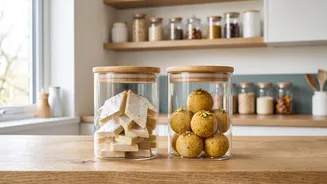
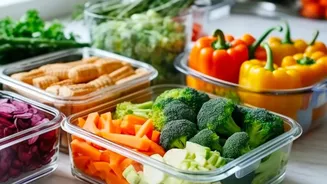
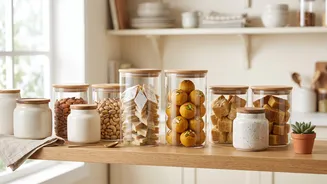
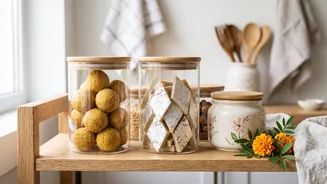
Airtight containers are your best defence against spoilage. Exposure to air and moisture is what makes crispy snacks go soggy and causes sweets to lose their texture and flavour. Invest in clear, stackable containers, preferably square or rectangular, as they use space more efficiently than round ones. Using clear containers allows you to see the contents and quantity at a glance, reducing the chance of items being forgotten. For Indian sweets and snacks, glass or stainless steel containers are ideal as they are non-reactive and prevent the transfer of odours. Make sure every container has a good seal to lock out moisture and pests, preserving the freshness of your festive delicacies for longer.
Implement the 'First_In, First_Out' Rule
One of the most effective systems for reducing food waste is the 'First_In, First_Out' (FIFO) method, a technique used in professional kitchens. The principle is simple: when you unpack new groceries or store a fresh batch of snacks, place them behind the older items. This ensures that the older products are always at the front and get used first, preventing them from expiring at the back of the shelf. To make this even easier, get into the habit of writing the purchase or preparation date on a label for each container. This small habit is a powerful tool against food spoilage and ensures you are always enjoying your food at its best.
Special Care for Festive Treats
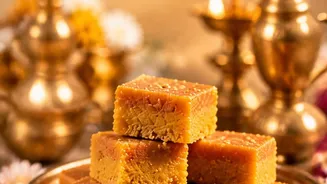
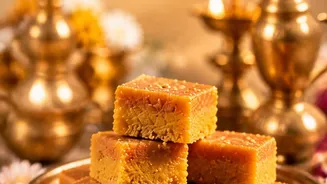
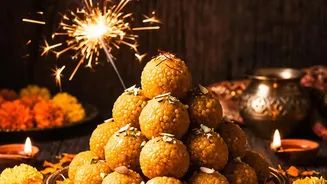
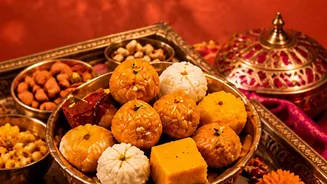
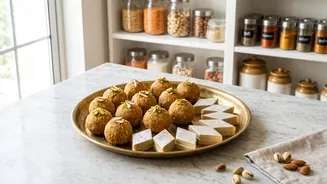
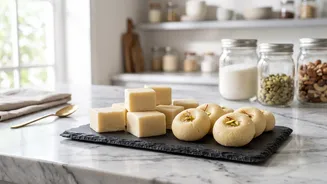
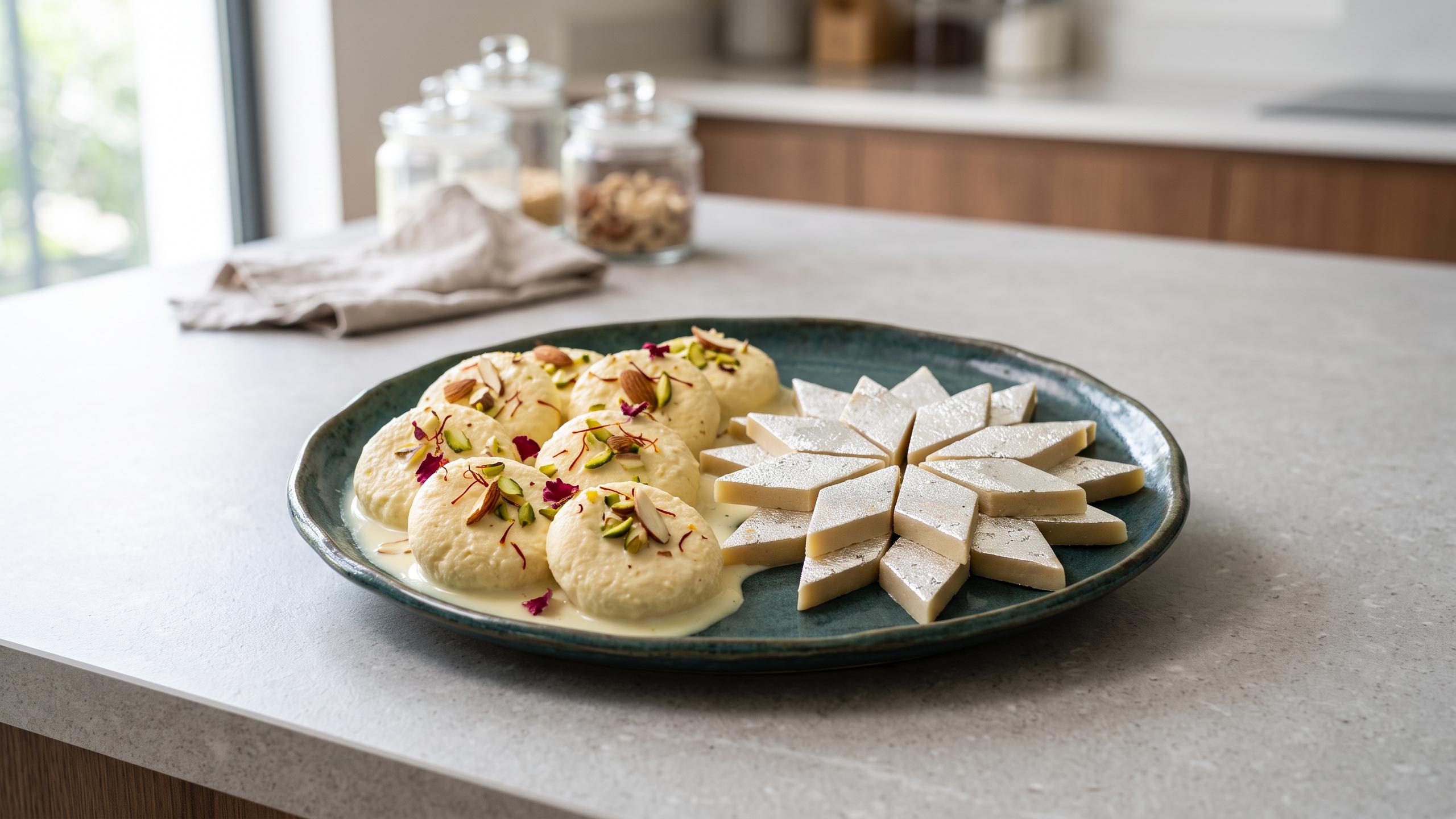
Not all festive foods are created equal when it comes to storage. Dry snacks like chakli, shankarpale, and chivda have a longer shelf life and do best in airtight containers kept in a cool, dry place. On the other hand, milk_based sweets like peda, kalakand, and rasgulla are highly perishable and must be refrigerated. These softer sweets should be consumed within a few days. Drier sweets like besan ladoo and kaju katli can last longer at room temperature if stored correctly away from heat and humidity. Always store different types of sweets and snacks in separate containers to prevent their flavours and moisture levels from mixing, which can accelerate spoilage.