





What Exactly Is a Dark Store?
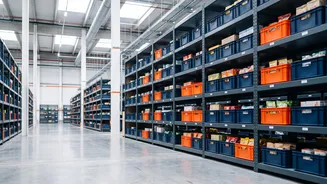
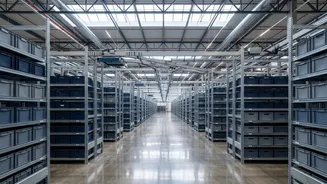
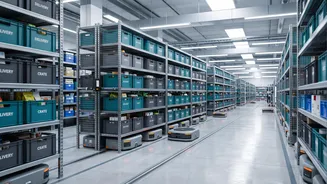
Imagine a supermarket that you can't enter. That's a dark store. These are not retail outlets for shoppers but compact, neighbourhood-based warehouses exclusively for fulfilling online orders. Ranging from 2,500 to 10,000 square feet, they are strategically
located within densely populated residential areas. This proximity is the secret to the 10-minute delivery promise made by quick-commerce giants like Blinkit, Zepto, and Swiggy Instamart. Inside, the layout is optimised for speed, not customer experience, with workers picking, packing, and dispatching orders at high speed.
Bengaluru: India's Dark Store Capital
Bengaluru has become the undisputed hub of India's quick-commerce boom, boasting over 629 dark stores—more than any other Indian city. The city's tech-savvy population, high concentration of IT professionals with demanding work hours, and increasing apartment density create the perfect conditions for this model to thrive. For many, quick commerce isn't a luxury; it's a practical solution to the city's notorious traffic, saving residents a trip to the supermarket. As a result, companies have invested heavily, making Bengaluru a test lab for the industry's latest innovations. This expansion is not just about groceries; companies like Nykaa are also entering the quick-commerce beauty space in the city.
The Gridlock Effect on City Roads
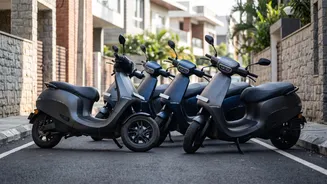
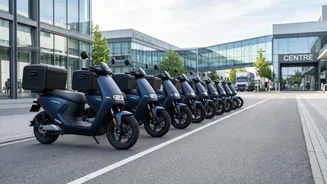
While convenient for users, the proliferation of dark stores raises serious concerns about traffic congestion. The model relies on a vast fleet of delivery partners making frequent, short trips. In areas with a high density of dark stores, this can lead to a constant swarm of two-wheelers on already choked roads. Residents have reported issues like haphazard parking that obstructs traffic and footpaths, and unruly driving as riders race to meet tight delivery deadlines. This adds a new layer of complexity to Bengaluru's traffic management, as narrow residential streets become logistical arteries for commercial operations.
Zoning Woes and Neighbourhood Nuisance
A significant point of conflict is where these dark stores operate. Many are located in areas zoned strictly for residential use, creating friction with local communities. Resident Welfare Associations (RWAs) have raised numerous complaints about the constant noise from loading and unloading, and delivery partners congregating outside, sometimes late into the night. According to Bengaluru's Revised Master Plan, commercial activities, including warehousing, are prohibited in many core residential zones, especially on roads narrower than 40 feet. However, the regulatory definition of a 'dark store' remains ambiguous, leaving them in a grey area between a retail shop and a warehouse, which complicates enforcement by civic bodies like the BBMP.
The Other Side: Jobs and the Economy
The quick-commerce industry is also a significant economic driver. Bengaluru's 629 dark stores are estimated to provide direct employment to between 6,300 and 12,600 workers, with thousands more hired annually to account for attrition. These jobs, primarily in the gig economy, offer flexible employment opportunities. Furthermore, the model revitalises underutilised commercial spaces, turning them into active economic hubs. However, concerns have been raised about the working conditions for delivery partners, who often lack access to basic facilities like parking or restrooms at the dark stores they serve.