







Why Humidity Creates a Perfect Storm for Skin
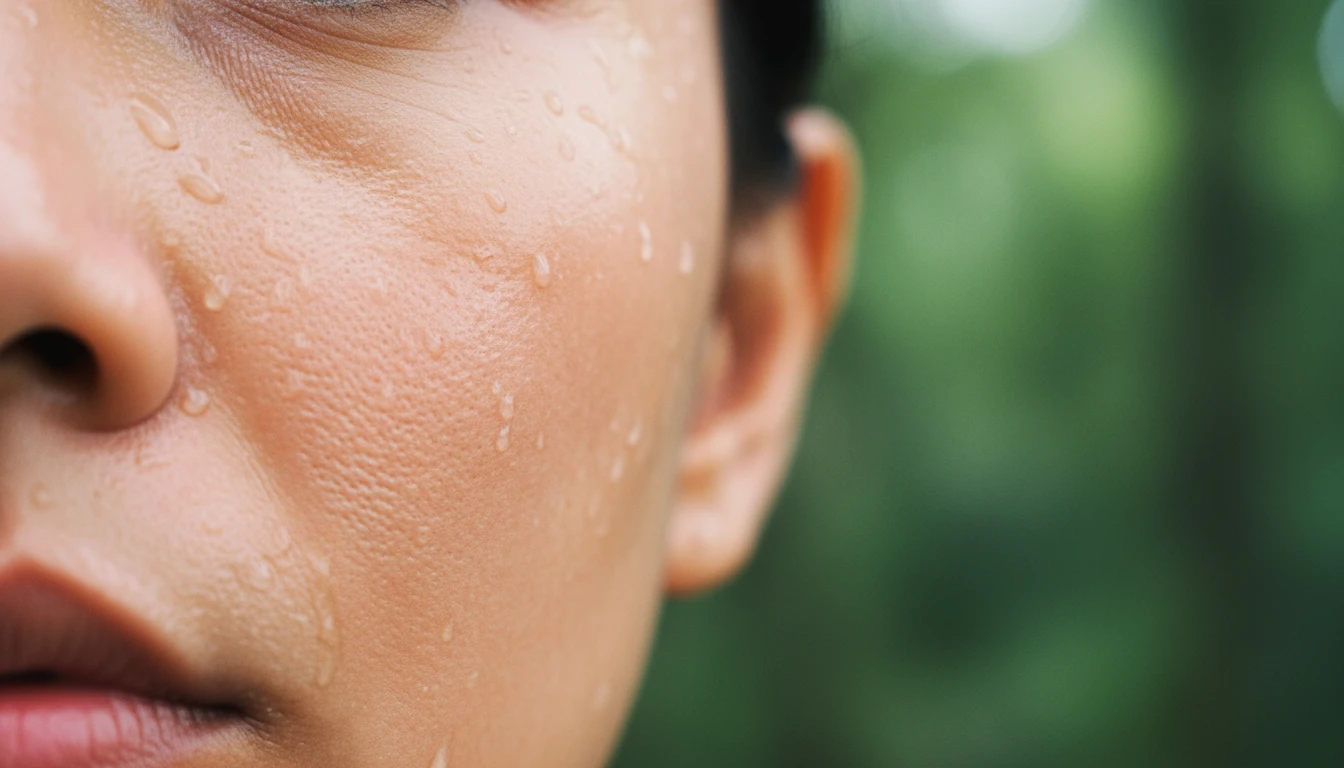
High humidity during the Indian monsoon creates a tricky environment for our skin. The moisture in the air slows down the evaporation of sweat, which then mixes with your skin's natural oils (sebum). This combination of sweat, oil, and environmental pollutants
can create a sticky film on your skin. Your oil glands can go into overdrive, trying to adjust to the damp conditions, leading to an increase in sebum production. This excess oil traps dirt and dead skin cells, creating a perfect breeding ground for bacteria and clogging pores, which is why many people experience more breakouts during this season.
The Rise of Acne and Fungal Issues
The most common complaint during the monsoon is a sudden increase in acne, including blackheads, whiteheads, and painful pimples. This happens when the mixture of oil and sweat clogs hair follicles, allowing acne-causing bacteria to thrive. However, not all bumps are standard acne. The damp, warm conditions are also ideal for yeast to multiply on the skin, leading to a condition called Malassezia folliculitis, often known as fungal acne. These breakouts typically appear as small, uniform, itchy bumps, often on the forehead, chest, and back, and they won't respond to traditional acne treatments.
Rethink Your Cleansing Strategy
Given the increase in sweat and grime, cleansing becomes crucial. It’s recommended to wash your face twice daily with a gentle, pH-balanced cleanser. Harsh or stripping cleansers can backfire by damaging the skin's protective barrier and triggering even more oil production. For those with oily and acne-prone skin, cleansers containing salicylic acid can be particularly effective. Salicylic acid is oil-soluble, meaning it can penetrate deep into pores to dissolve the plugs of sebum and dead skin cells. At night, consider double cleansing—starting with an oil-based cleanser to break down sunscreen and makeup, followed by a water-based wash to thoroughly clean the skin.
Don't Skip the Moisturiser
It's a common myth that you don't need moisturiser when the air feels damp. In reality, skipping this step can cause problems. The constant cycling between humid outdoors and air-conditioned indoors can disrupt your skin's barrier, leading to dehydration. Dehydrated skin often compensates by producing more oil, making matters worse. The key is to switch your product, not skip the step. Opt for lightweight, non-comedogenic (pore-clogging), and gel-based moisturisers. Ingredients like hyaluronic acid and aloe vera provide hydration without adding weight or greasiness.
Exfoliate, But Gently
To prevent the buildup of dead skin cells that contributes to clogged pores, regular exfoliation is key. However, it's important not to be too aggressive, as over-scrubbing can irritate the skin and damage its protective barrier. Instead of harsh physical scrubs, consider using chemical exfoliants once or twice a week. Products with Alpha-Hydroxy Acids (AHAs) like glycolic acid or Beta-Hydroxy Acids (BHAs) like salicylic acid help to gently dissolve dead skin cells and keep pores clear.
Sunscreen Is Still Non-Negotiable
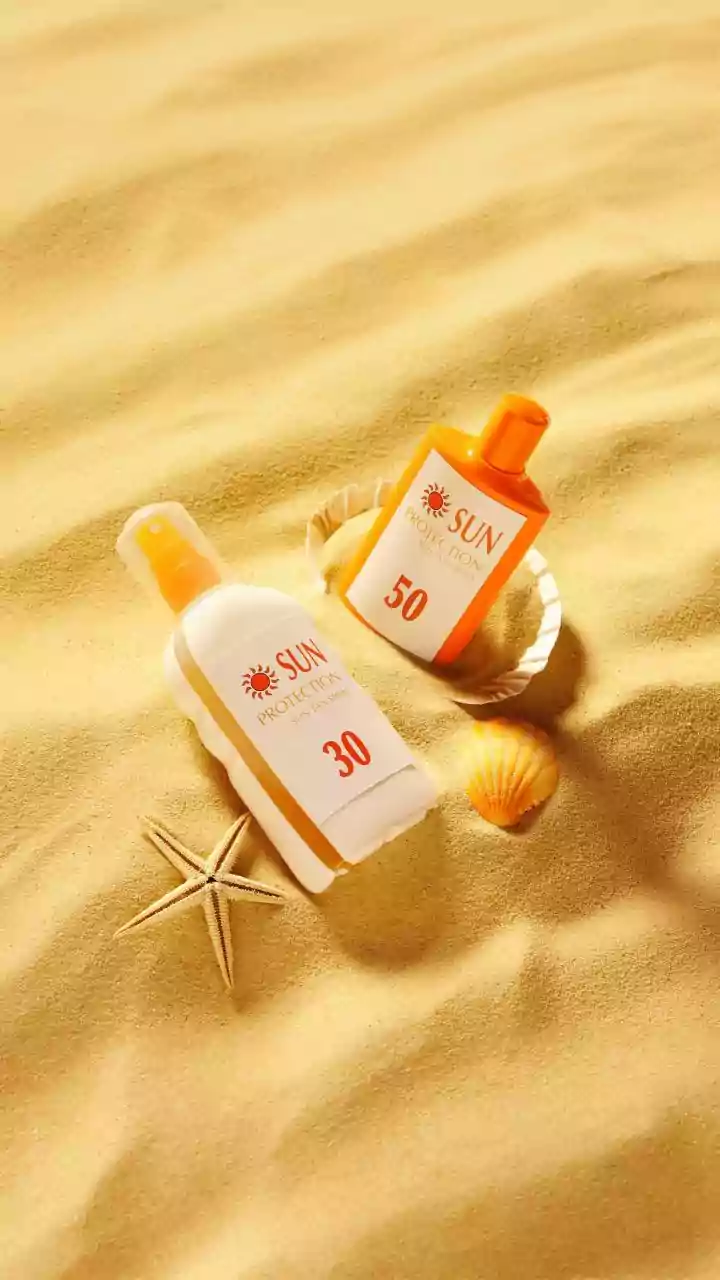
Don't let the cloudy skies fool you; harmful UV rays can penetrate through the clouds and damage your skin. Unprotected sun exposure can also worsen the dark spots left behind by acne. Many people dislike wearing sunscreen in humid weather because it can feel heavy and sticky. The solution is to find the right formula. Look for lightweight, gel-based, or matte-finish sunscreens with an SPF of 30 or higher. These modern formulations are designed to protect your skin without clogging pores or leaving a greasy film.