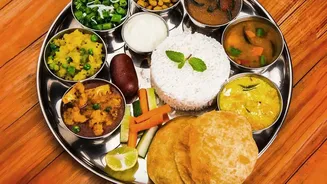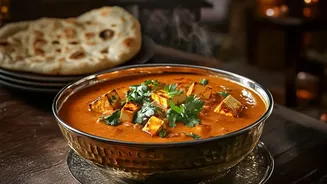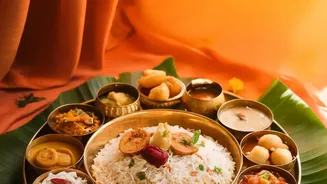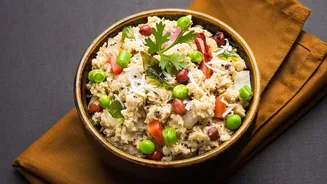



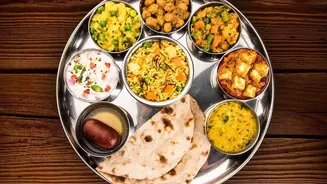
The Classic Sabudana Khichdi
A staple in many households during fasting periods, Sabudana Khichdi is a beloved choice for a reason. Made from tapioca pearls, this dish is light on the stomach yet provides a significant energy boost to carry you through the day. The preparation is simple:
soaked sabudana is sautéed with boiled and cubed potatoes, roasted peanuts, and a gentle tempering of cumin seeds and green chillies. Rock salt, or sendha namak, is used instead of regular table salt. A final squeeze of lemon juice adds a fresh tang and helps keep the pearls from sticking together, resulting in a fluffy, flavourful, and fulfilling breakfast. The combination of carbohydrates from the sago and potatoes, along with protein from the peanuts, makes it a well-rounded meal.
Energising Kuttu Ka Cheela
Kuttu ka atta, or buckwheat flour, is a gluten-free powerhouse and a popular ingredient during Navratri and other fasts. A Kuttu Ka Cheela is essentially a savoury pancake that is both easy to make and highly nutritious. The batter is prepared by mixing buckwheat flour with water, grated potatoes or other vrat-approved vegetables like bottle gourd (lauki), and spices like chopped green chillies, ginger, and sendha namak. The batter is then spread on a hot tawa, much like a dosa, and cooked with a little ghee or oil until golden and crisp. These cheelas are not only filling but also provide sustained energy, making them an excellent choice to kickstart a fasting day. They can be served hot with a side of plain yogurt or a simple vrat-friendly chutney.
Versatile Roasted Makhana or Kheer
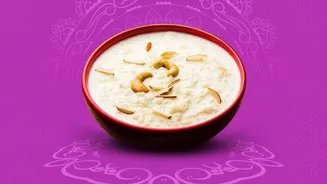
Phool Makhana, or fox nuts, are a wonderfully versatile fasting ingredient. They are light, crunchy, and packed with nutrients. For a quick and savoury breakfast, you can simply roast them in a teaspoon of ghee until they are crisp, then season with a sprinkle of sendha namak and black pepper. This makes for a simple yet satisfying snack-like breakfast. Alternatively, for those who prefer a sweeter start, Makhana Kheer is a fantastic option. The roasted makhana are simmered in milk until it thickens, sweetened with sugar or jaggery, and flavoured with cardamom and nuts. Whether you opt for the savoury crunch or the sweet creaminess, makhana provides a wholesome and energising meal.
Hearty Samak Chawal Pulao
Samak chawal, also known as barnyard millet, is a popular substitute for rice during fasting periods. It cooks quickly and can be turned into a delicious and hearty pulao. To prepare this one-pot meal, the millet is sautéed in ghee with cumin seeds, chopped green chillies, and sometimes potatoes and peanuts. Water is then added, and the mixture is cooked until the grains are tender and fluffy. The resulting dish has a creamy texture and is quite filling, making it an excellent breakfast or brunch option during a vrat. It provides a good dose of carbohydrates and fibre, ensuring you feel satiated for longer. You can customise it by adding other fasting-compliant vegetables for extra nutrition.
Simple Fruit Chaat with Nuts
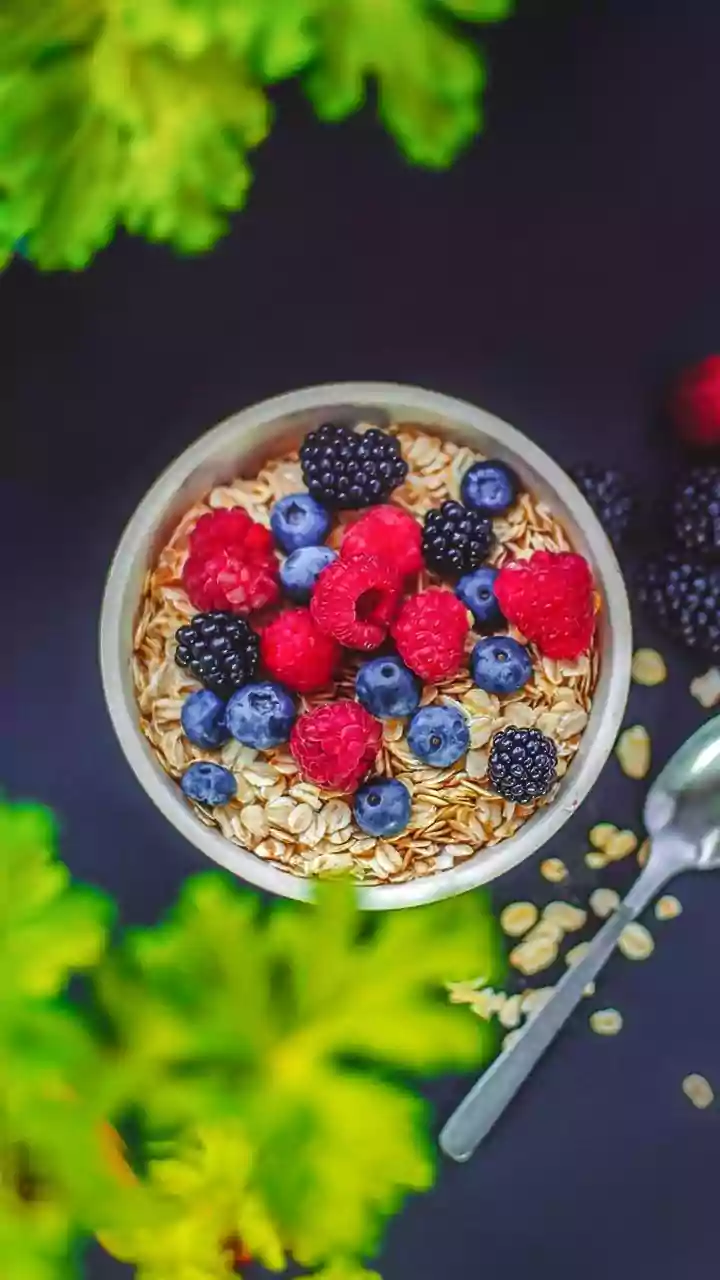
Perhaps the simplest and most refreshing vrat breakfast is a bowl of fresh fruit chaat. This no-cook option is perfect for those who want a light but energising start. You can combine a variety of fasting-approved fruits like bananas, apples, pomegranate seeds, and mangoes. To elevate it from a simple fruit salad to a flavourful chaat, add a sprinkle of sendha namak, a dash of black pepper, and a squeeze of lemon juice. For an extra boost of protein and healthy fats, which helps in maintaining energy levels, you can top it with a handful of nuts like almonds and walnuts. This breakfast is not only easy to prepare but also keeps you hydrated and provides essential vitamins and minerals.