



The Thrill of the Descent
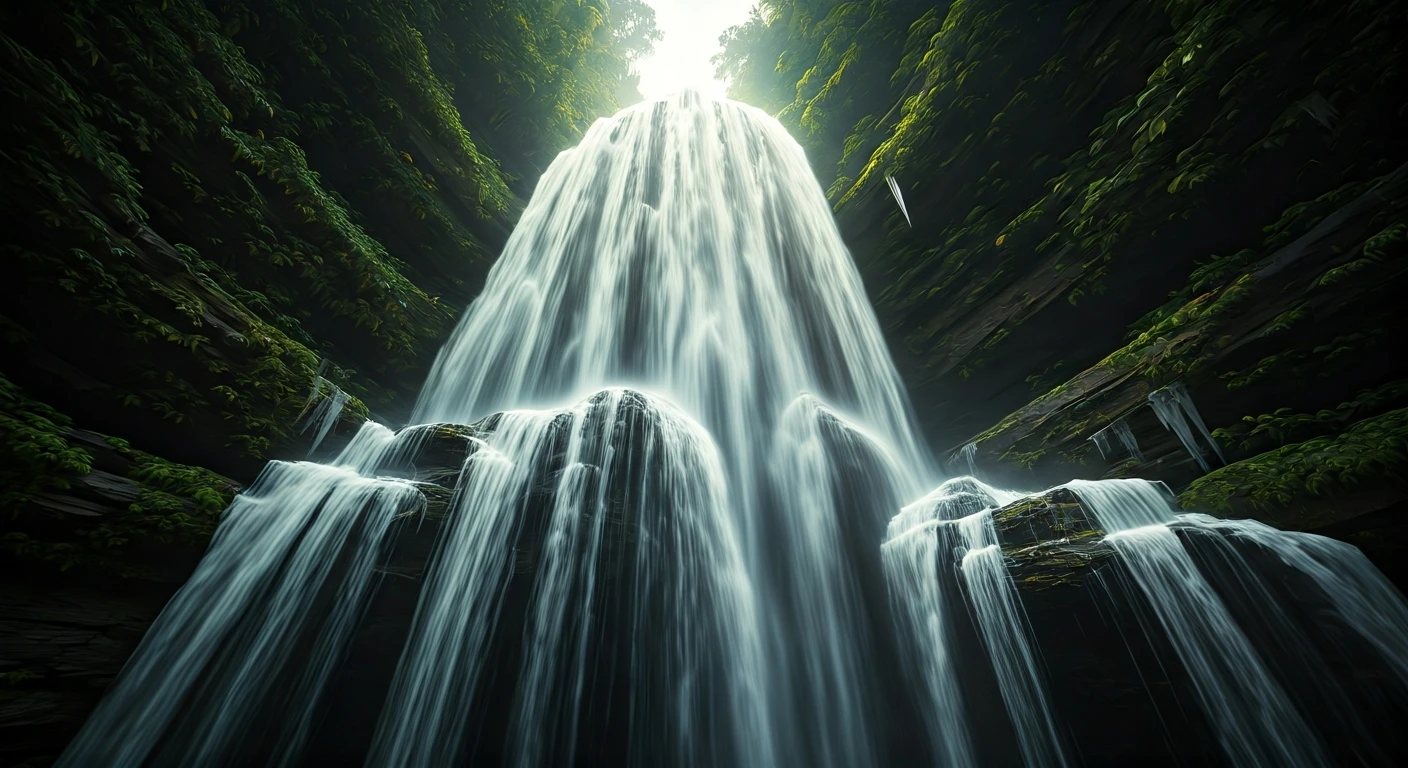
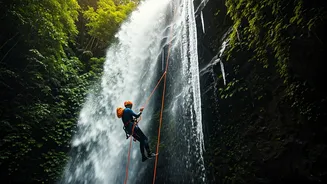
Waterfall rappelling, also known as canyoning, is an adventure sport that combines the techniques of rappelling (or abseiling) with the raw beauty of a flowing waterfall. Instead of descending a dry rock face, you navigate your way down the slippery,
water-beaten path of the cascade itself. It's a full-body sensory experience. You feel the immense power of the water against your body, hear its deafening roar, and see the world through a curtain of spray. Unlike a quick-thrill ride, this activity requires focus and trust—in your gear, your guide, and yourself. It’s a unique way to connect with nature, turning a passive viewpoint into an active, unforgettable adventure.
What Gear Do You Need?
The good news is, you don’t need to be a seasoned mountaineer with a garage full of equipment. Reputable operators provide all the necessary safety gear. Your kit will typically include a helmet to protect against loose rocks or bumps, a secure harness that fits snugly around your waist and thighs, and gloves to protect your hands from rope friction. The most important pieces of equipment are the ropes and the descender (also called a belay device), which are managed by your guide and allow you to control the speed of your descent. Your clothing is just as important. Opt for quick-drying synthetic clothes (not cotton) and sturdy shoes with excellent grip that you don’t mind getting completely soaked.
Top Spots to Take the Plunge
India’s diverse geography, especially during the monsoon season, offers some fantastic locations for waterfall rappelling. For beginners, the Western Ghats are a popular hub. Vihigaon waterfall, near Kasara in Maharashtra, is a go-to spot for weekend adventurers from Mumbai and Pune, offering a manageable height of about 120 feet. In the north, the area around Rishikesh in Uttarakhand has several options, like the Neer Garh waterfall, where the activity is often combined with hiking. Down south, parts of Coorg in Karnataka and the regions around Goa also have seasonal waterfalls where operators set up rappelling experiences. Always choose a location with well-established, certified operators.
Your First Rappel: What to Expect
Your adventure will begin not at the top of the fall, but with a thorough safety briefing on the ground. Your guides will explain how the equipment works, demonstrate the correct body posture (leaning back in an 'L' shape), and teach you how to control your speed. After a short hike to the top, you'll be securely clipped into the rope system. The most nerve-wracking moment for most is the first step: leaning back over the edge and trusting the rope to hold your weight. But once you do, the fear quickly turns to exhilaration. You’ll slowly walk your feet down the rock face, using one hand to guide the rope through the descender while the other helps with balance. Your guide will be on belay below, acting as a failsafe. Before you know it, you'll be at the bottom, looking up with a massive grin.
Safety is Non-Negotiable
While waterfall rappelling is a thrilling activity, it comes with inherent risks. Your safety depends almost entirely on the professionalism of your tour operator. Before booking, do your homework. Check for certifications and read recent reviews. A good operator will have experienced and certified guides, use high-quality and well-maintained equipment, and have a small guide-to-participant ratio. They will never pressure you to do something you’re uncomfortable with and will cancel trips in unsafe weather conditions, like heavy rain that can cause flash floods. Don't be tempted by a cheap deal from an unverified source. Your life is worth more than a discount.