








What is Muscle Asymmetry?
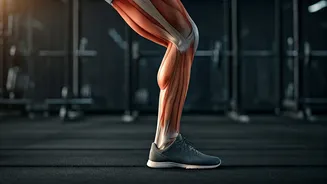
Muscle asymmetry is when muscles on one side of your body are stronger, more developed, or more coordinated than the corresponding muscles on the other side. Think of a right-handed person having a visibly larger or stronger right bicep. A small degree
of imbalance is perfectly normal and often unavoidable—we all have a dominant side. However, when the difference becomes significant, it can affect your posture, movement patterns, and athletic performance. Over time, a strong imbalance can lead to the dominant side overcompensating, which may increase the risk of strain or injury on both the overworked strong side and the underdeveloped weak side.
The Unilateral Advantage
The key to correcting these imbalances is unilateral training—working one limb at a time. When you perform a standard bilateral exercise like a barbell squat or bench press, your stronger side can subtly take over, masking and even worsening the asymmetry. By isolating one side with a single-arm row or a single-leg press, you force the weaker side to pull its own weight. It has no stronger counterpart to rely on. This focused effort builds strength and improves the mind-muscle connection on your weaker side, allowing it to catch up over time and create a more balanced, resilient physique.
Why Resistance Bands Are Perfect
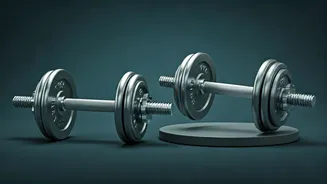
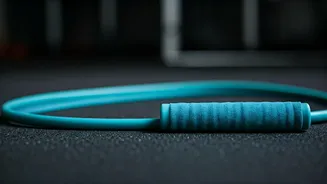
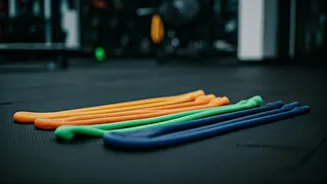
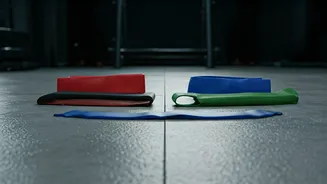
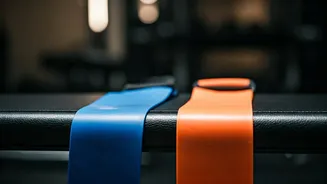
While dumbbells and kettlebells are great for unilateral work, resistance bands offer unique advantages for this specific goal. They are affordable, portable, and provide accommodating resistance, meaning the tension increases as you move through the range of motion. This helps strengthen the muscle through its entire path of movement. Bands are also generally gentler on the joints than free weights, which makes them an excellent tool for beginners or those returning from an injury. The constant tension forces your stabiliser muscles to engage, further improving overall joint stability and control.
Golden Rules for Safe Band Training
The words "easily" and "safely" are in the headline for a reason. To ensure your training is both, follow these rules: 1. **Inspect Your Bands:** Before every workout, check your bands for any nicks, tears, or signs of wear. A snapping band can cause serious injury. 2. **Start with the Weaker Side:** Always begin each unilateral exercise with your non-dominant or weaker side. This ensures you’re training it when you are freshest and can give it maximum effort. 3. **Match the Reps:** Let your weaker side set the standard. If you can only manage 10 clean reps on your left side, only do 10 reps on your stronger right side, even if you feel you could do more. This allows the weaker side to catch up without the stronger side getting even further ahead. 4. **Form Over Everything:** Focus on slow, controlled movements. Rushing through reps with poor form is counterproductive. If you can't maintain good form, reduce the resistance by choosing a lighter band.
Your Foundational Unilateral Band Workout
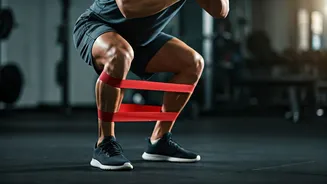
Here is a simple, full-body routine you can perform 2-3 times per week. Anchor your band securely to a door or a sturdy post. Perform 3 sets of 12-15 repetitions for each exercise. * **Single-Arm Band Row:** Stand facing the anchor point. Grab the band with one hand, palm facing inward. With your core tight and back straight, pull the band towards your torso, squeezing your shoulder blade. Return slowly to the start. * **Single-Arm Band Press:** Stand with your back to the anchor point. Hold the band in one hand at chest height. Step forward to create tension. Press the band straight out in front of you until your arm is fully extended. Control the return. * **Banded Single-Leg Glute Bridge:** Lie on your back with your knees bent. Place a mini-band around your thighs, just above the knees. Lift one foot off the floor. Driving through the heel of your grounded foot, lift your hips toward the ceiling. Keep your hips level. Lower with control. * **Standing Banded Leg Abduction:** Stand with a mini-band around your ankles. Shift your weight to one leg. Keeping your core engaged and body upright, lift the other leg out to the side against the band's resistance. Return to the starting position slowly.