


From Sugar Rush to Sensory Journey
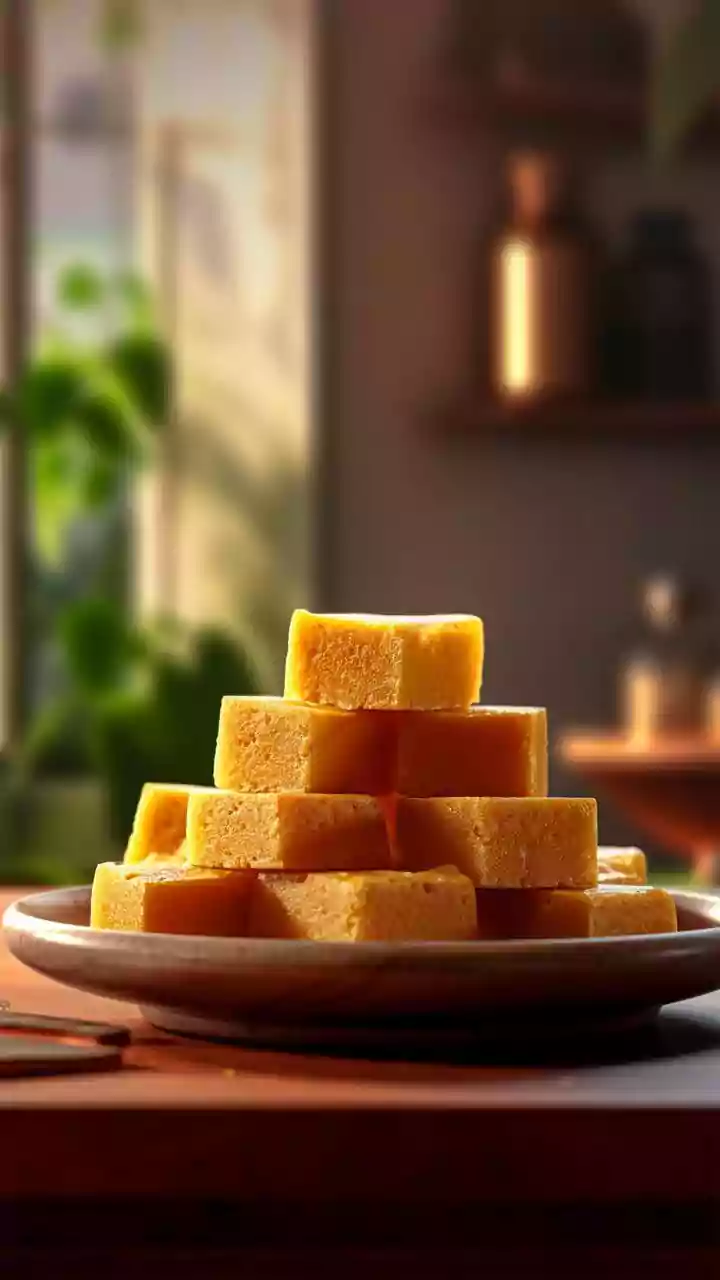
For decades, the mark of a good mithai was its ability to deliver an unapologetic sugar hit. It was the centerpiece of every celebration, a symbol of pure, unadulterated joy measured in sweetness. Today, that definition is expanding. A new wave of sweet makers
and a more discerning consumer base are looking beyond the sugar, focusing instead on a complete sensory experience. This shift is not about rejecting tradition, but enriching it. The question is no longer just 'how sweet is it?' but also 'what is it made of?', 'how does it feel?', and 'what story does it tell?'. The modern mithai is less of a simple sweet and more of a gourmet creation, appreciated for its complexity and craft.
The Purity of Premium Ingredients
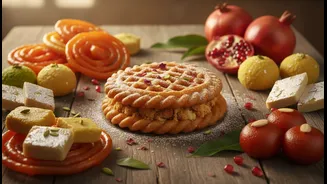
One of the most significant changes is the renewed focus on high-quality, natural ingredients. Artisanal mithai makers are championing the use of pure desi ghee, single-origin nuts, and real saffron and cardamom instead of artificial essences. There is a growing appreciation for sweets that taste of their core components. This move towards authenticity means that the flavour isn't masked by sugar, but enhanced by it. Consumers are increasingly seeking out brands that are transparent about their sourcing, celebrating sweets made in small, handcrafted batches that ensure freshness and quality. This focus on premium, clean-label ingredients has turned mithai from a simple commodity into a luxury product.
Health-Conscious Indulgence
As wellness becomes a priority for many Indians, the demand for healthier indulgences has skyrocketed. Mithai is no exception. This has led to a surge in innovation, with chefs and brands creating options that cater to various dietary needs without sacrificing taste. You can now find popular sweets made with natural sugar alternatives like jaggery, dates, and honey. Sugar-free versions, often using stevia, are becoming commonplace, especially during festivals, allowing those with dietary restrictions to partake in celebrations. The innovation extends to using healthier bases like millets (ragi, jowar) and creating vegan versions with plant-based milks, proving that mithai can evolve to fit a modern, balanced lifestyle.
A Playground of Flavour and Form
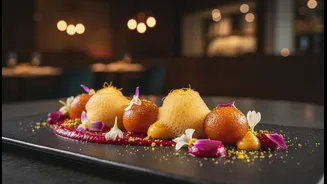
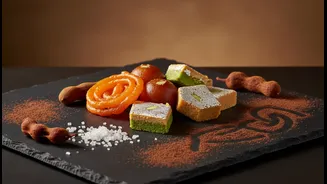
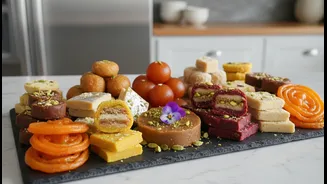
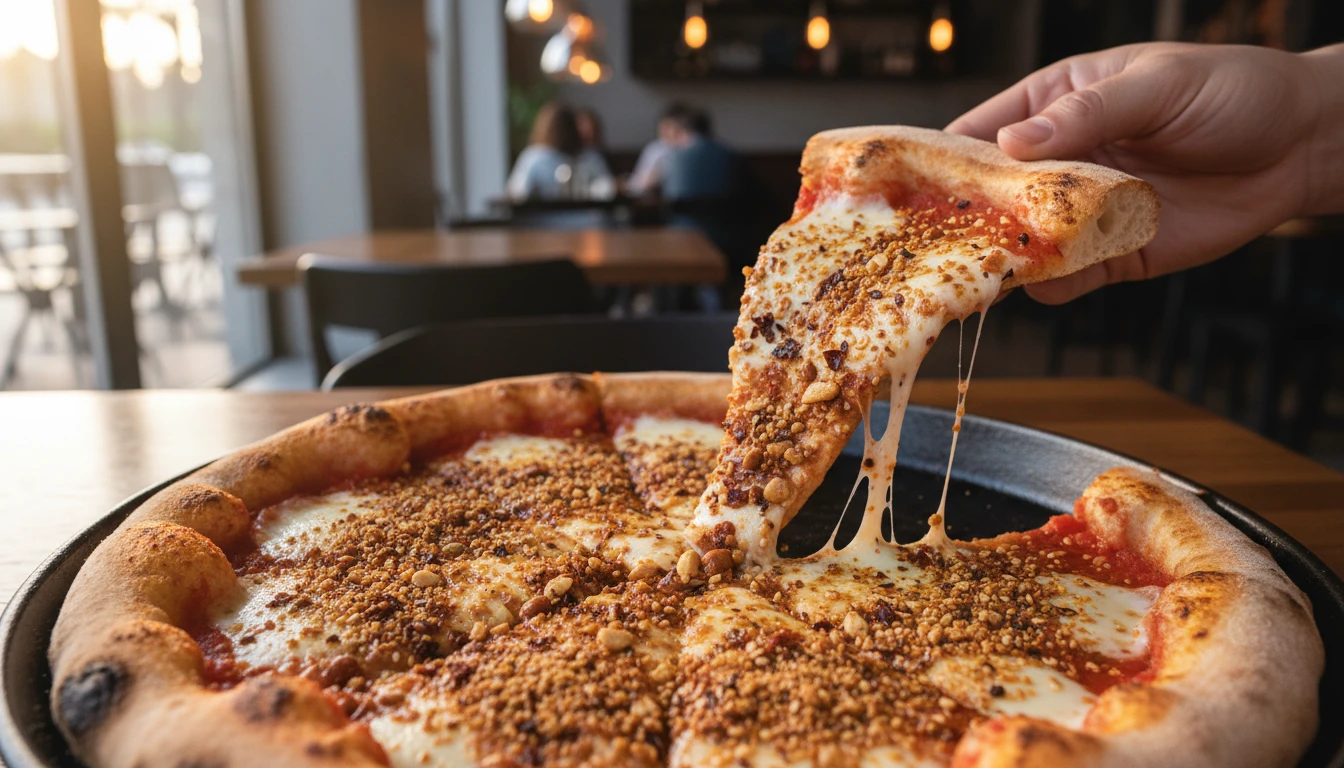
The new mithai movement is playful and creative, blending classic Indian recipes with global culinary trends. This has resulted in exciting fusion creations like gulab jamun cheesecake, rasmalai tres leches, and chocolate-infused barfis. Beyond flavour, artisans are experimenting with texture and form. Think of a traditional barfi layered with notes of coffee or matcha, or a pista katli finished with edible gold paint. Presentation has also become paramount. Beautiful, thoughtfully designed packaging has transformed the humble box of mithai into a sophisticated gift, perfect for any occasion and worthy of a social media feature.
The Artisans Redefining Tradition
This evolution is being led by a new generation of culinary entrepreneurs who are passionate about preserving India's rich sweet-making heritage while pushing its boundaries. Brands like Khoya, Bombay Sweet Shop, and Arq are reimagining what mithai can be, blending age-old techniques with a modern aesthetic. They are making mithai that feels both nostalgic and refreshingly new. By focusing on quality, creativity, and the overall customer experience — from online ordering to elegant packaging — these new-age 'halwais' are ensuring that India's love affair with mithai continues to thrive, attracting a younger, globally-exposed audience.