





Nothing ruins the start of a trip like feeling uncomfortable in your clothes. Whether you're on a long flight or a cross-country train, the right attire is crucial. Choosing lightweight fabrics is the key to enhancing comfort on any long journey.
The Science of Comfort: Breathability and Moisture
The primary
reason lightweight fabrics excel during travel is their ability to manage heat and moisture. Heavy materials, like thick cotton or denim, can trap body heat and absorb sweat, leaving you feeling sticky and damp. In contrast, lightweight fabrics are often more breathable, allowing air to circulate freely. This airflow is critical for temperature regulation, preventing you from overheating in a stuffy plane cabin or a warm bus. Many modern travel fabrics are also moisture-wicking; instead of absorbing sweat, they pull it away from your skin to the fabric's surface, where it can evaporate quickly. This process keeps you feeling drier and more comfortable for longer periods. Fabrics like polyester, nylon, and merino wool are excellent at this.
Freedom of Movement and Reduced Restriction
Long travel days involve a lot of sitting, shifting, and moving through crowded spaces. Heavy, rigid clothing can feel restrictive and cumbersome. Lightweight fabrics offer greater flexibility and freedom of movement, which is essential for staying comfortable in a confined seat. Materials with a bit of stretch, such as jersey knits or blends with spandex, move with your body rather than fighting against it. This ensures that your clothes don't bunch up, dig in, or feel tight after hours of wear. The reduced weight of the clothing itself also contributes to overall comfort, as it puts less physical strain on your body over the course of a long day.
A Traveller's Guide to the Best Fabrics
Not all lightweight fabrics are created equal. For travel, some stand out for their superior performance. Merino wool is a top contender; it's breathable, naturally odor-resistant, and regulates temperature in both cool and warm environments. Tencel (also known as Lyocell) is another excellent choice, prized for its soft feel, wrinkle resistance, and impressive moisture-wicking capabilities. High-quality synthetics like polyester and nylon are durable, dry extremely quickly, and are often used in performance travel wear. While comfortable for casual wear, 100% cotton is often a poor choice for long journeys because it absorbs moisture and takes a long time to dry, which can leave you feeling cold and damp. For warm climates, linen is wonderfully breathable, though it wrinkles easily unless it's in a blend.
The Practical Packing Advantage
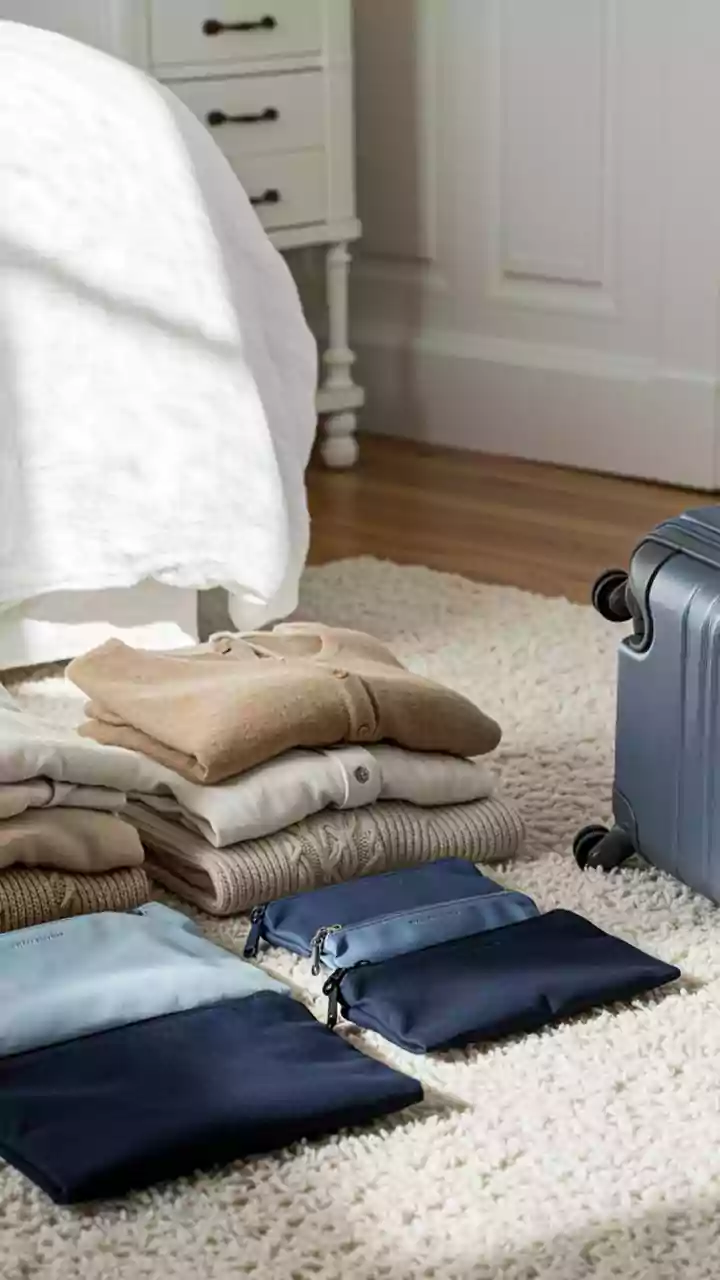
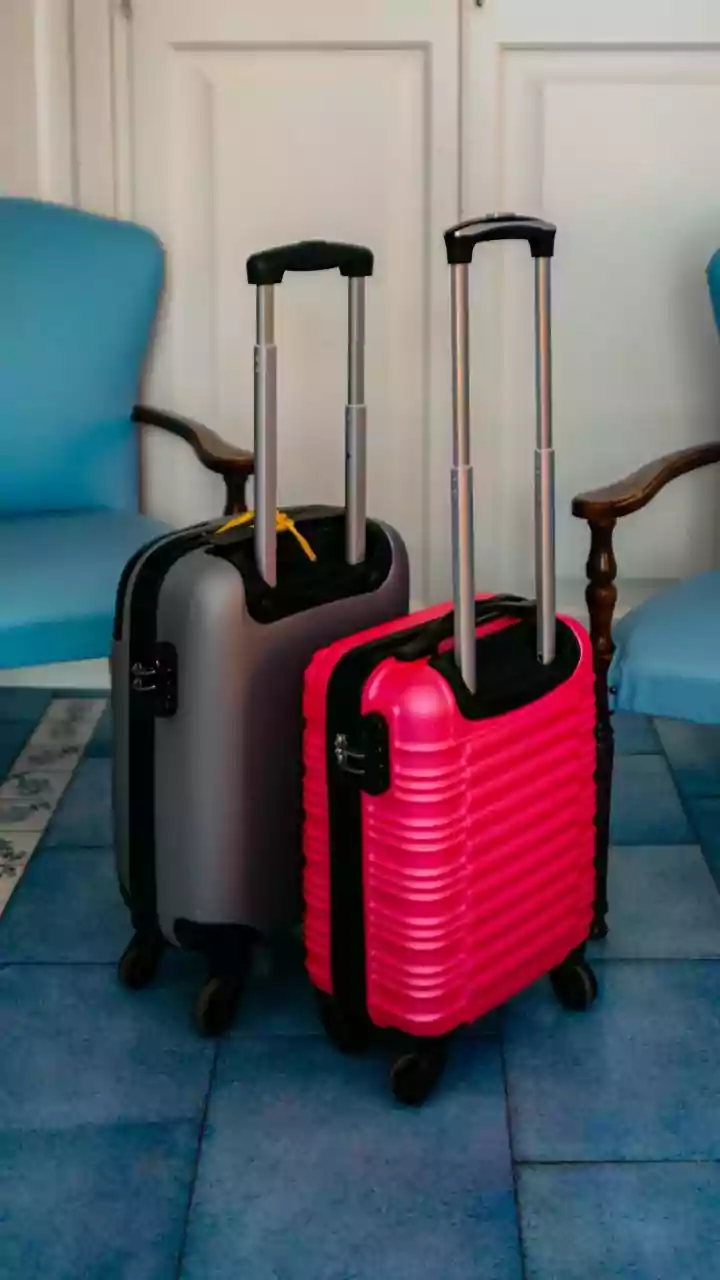
Beyond just wearing them, lightweight fabrics offer a significant advantage before you even leave the house: they make packing easier. Lighter materials naturally take up less space and add less weight to your luggage, helping you avoid excess baggage fees and the strain of a heavy bag. This allows you to either pack more options or enjoy the freedom of travelling with only a carryon. Many travel-specific fabrics, such as rayonnd spandex knits or certain polyester blends, are also designed to be wrinklendesistant. This means you can pull them out of a compressed packing cube and wear them immediately, without having to search for an iron at your destination.