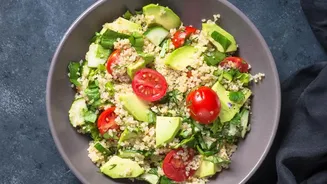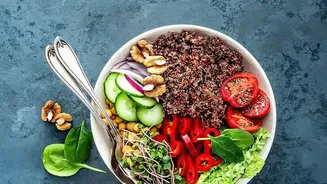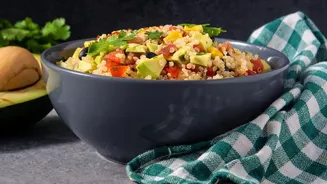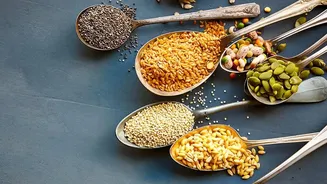


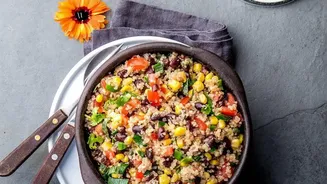
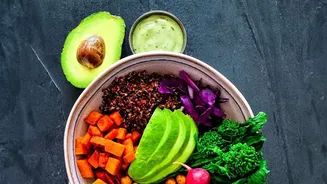
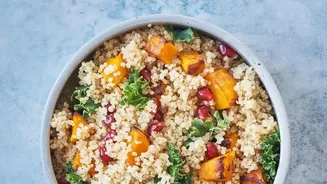
In the world of vegetarian cooking, the quinoa versus lentils debate is a classic. One is a trendy 'superfood', the other a humble pantry staple. But instead of pitting them against each other, what happens when you combine them?
The Case for Quinoa
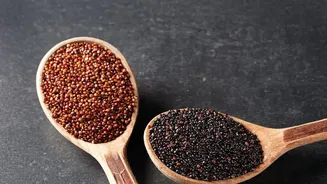
Quinoa has enjoyed a stellar
reputation for years, and for good reason. Technically a seed, not a grain, it's often called a 'pseudocereal'. Its biggest claim to fame is being a 'complete protein', meaning it contains all nine essential amino acids that the body can't produce on its own. While some nutritionists might qualify this by noting it has low amounts of certain amino acids, it remains an excellent, high-quality plant-based protein source. A cooked cup provides about 8 grams of protein. Beyond protein, quinoa is packed with nutrients. It offers more magnesium, iron, and zinc than many common grains and is a great source of fibre, which aids digestion and helps you feel full longer. Its fluffy texture and nutty flavour make it incredibly versatile, working well as a base for salads, a side dish, or even a breakfast porridge.
The Power of Lentils
Lentils are the dependable, budget-friendly workhorse of the plant-based world. These small but mighty legumes are nutritional powerhouses. When it comes to pure protein content, lentils often outperform quinoa, offering about 9 grams of protein per 100g cooked serving, roughly double that of quinoa. They are also exceptionally high in dietary fibre, with a cooked serving containing more than double the fibre of quinoa. This high fibre content is excellent for digestive health and providing a feeling of satiety. Lentils are also rich in essential nutrients like folate, iron, potassium, and magnesium. However, unlike quinoa, lentils are considered an 'incomplete protein' because they are low in one essential amino acid, methionine. But this is hardly a mark against them, as this nutritional gap is easily filled by pairing them with other foods.
A Nutritional Power Couple
This is where the magic happens. Instead of choosing one over the other, combining quinoa and lentils creates a meal that is nutritionally superior to either one alone. The concept of 'complementary proteins' is key here. Lentils are low in the amino acid methionine, while quinoa, as a complete or nearly-complete protein, provides it. When eaten together, they create a robust and complete amino acid profile, similar to what you might find in meat or eggs. This pairing creates a meal that is incredibly rich in both protein and fibre, supporting everything from muscle function to digestive health. The combination also delivers a wide array of minerals and vitamins, including iron, magnesium, and folate. From a culinary perspective, they are a perfect match. The fluffy, slightly firm texture of quinoa is a wonderful contrast to the soft, earthy creaminess of lentils, especially red or brown varieties.
Putting It All Together
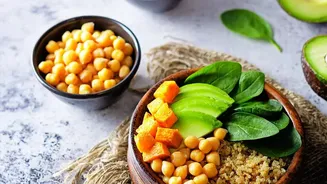
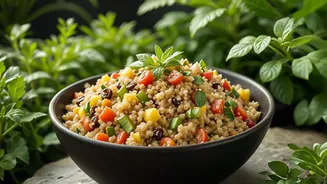
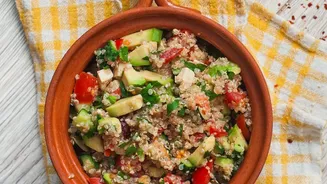
Combining quinoa and lentils is surprisingly simple. One of the best things is that, depending on the variety, they can often be cooked together in the same pot. Brown or green lentils and quinoa have similar enough cooking times (around 20–30 minutes) that you can simmer them together with broth and aromatics for a one–pot meal. You can simply combine them in a pot with vegetable broth, onions, garlic, and herbs, and let them simmer until tender. For dishes where you want to maintain separate textures, like a salad, you can cook them individually and combine them once cooled. This power couple works beautifully in a variety of dishes. Mix them into hearty soups and stews, form them into veggie burgers or patties, or use them as a filling base for grain bowls topped with roasted vegetables and a flavourful dressing. The combination is a fantastic way to create satisfying, nutrient–dense, and economical vegetarian meals.