



A New Fitness Doctrine
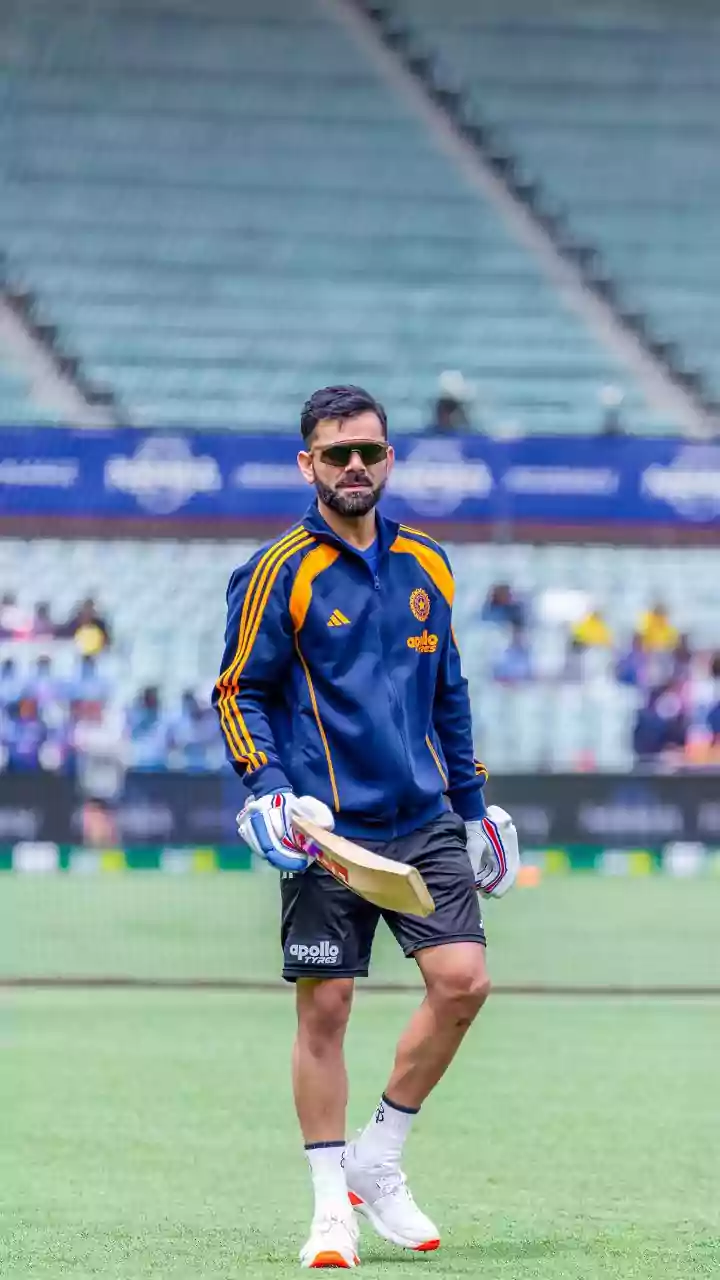
Before Virat Kohli’s captaincy, fitness in Indian cricket was often considered a secondary skill. Talent reigned supreme, but the team's physical conditioning and fielding rarely matched sides like Australia or South Africa. That all changed with Kohli.
His personal transformation from a talented, slightly chubby youngster to a chiseled athlete is well-documented. Disgusted with his lack of discipline after the 2012 IPL, he embarked on a complete lifestyle overhaul. This personal quest soon became a team-wide doctrine. With strength and conditioning coach Shankar Basu, Kohli introduced a scientific, rigorous approach to fitness that was previously unseen in the Indian dressing room. The gym became the new temple, and discipline became the new mantra. The message was clear: if you wanted to play for India, you had to be an athlete first.
The Yo-Yo Test and Non-Negotiables
The most prominent symbol of this new era was the Yo-Yo test. First introduced to the team around 2017, this intermittent recovery test became a mandatory selection criterion. Players, no matter how senior or talented, were dropped for failing to meet the benchmark score of 16.1. This uncompromising stance sent a powerful message throughout Indian cricket. The results were visible on the field. India became a formidable fielding unit, and the players' endurance, agility, and speed between the wickets improved dramatically. Running twos and threes became commonplace, and the overall intensity lifted the team's performance, particularly in the demanding Test format. Kohli led from the front, his own superhuman fitness setting a gold standard that inspired his teammates to push their limits.
Cracks in the Armour
In the years since Kohli stepped down from captaincy, the narrative has begun to shift. The once-unwavering focus on fitness appears to have softened. Recent times have been marked by a concerning number of injuries to key players, particularly recurring hamstring issues. A July 2026 report highlighted current captain Shubman Gill's concerns over the team's fitness standards after a string of players broke down. Experts and sources within the BCCI have pointed to a potential gap in communication and a lack of coordination between the team management and the Centre of Excellence (CoE) in Bengaluru. The strict enforcement of fitness tests like the Yo-Yo seems to have waned, with some reports suggesting senior players are less keen on the intense assessment in their 30s, leading to a blurring of the lines that were once so clearly drawn.
A New Philosophy or a Lost Edge?
The current team management seems to favor a more flexible approach, prioritising workload management and injury prevention over the dogmatic adherence to fitness tests. While this can be seen as a more pragmatic way to handle players through a gruelling international calendar, critics argue it has led to a drop in overall fitness levels. The fielding standards have visibly dipped, and bowlers have struggled to maintain intensity through long series. To counter these concerns, new fitness benchmarks like the Bronco Test, a demanding 1200-metre endurance run borrowed from rugby, have been introduced to supplement the Yo-Yo test. This suggests an ongoing evolution rather than a complete abandonment of fitness, but the question remains whether the team has lost the sharp edge that defined the Kohli era.