

Identifying Your Kitchen Bottlenecks
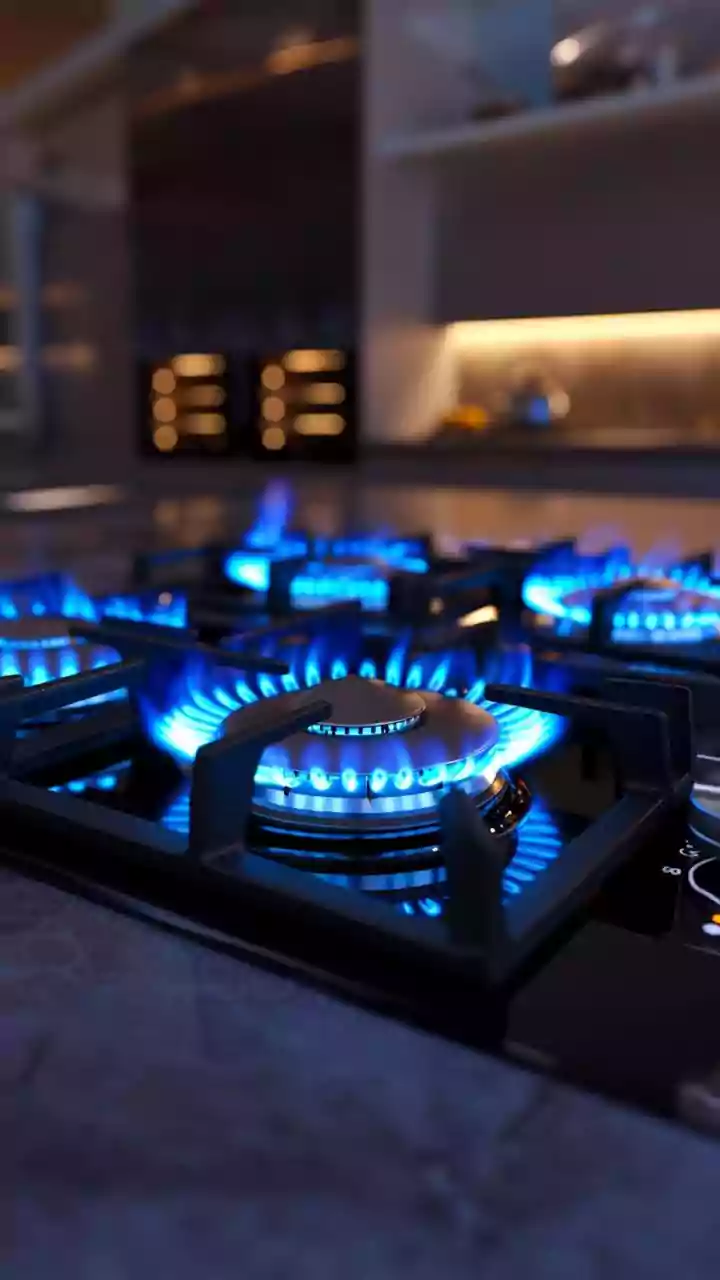
In professional kitchens, a bottleneck is any point in the workflow that causes the entire process to slow down or halt. For a home host, this translates to predictable moments of panic. It’s needing the oven at two different temperatures for two different dishes.
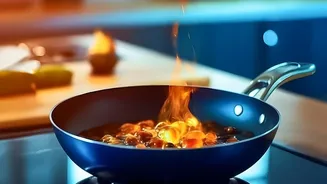
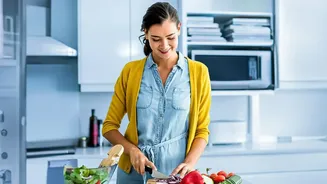
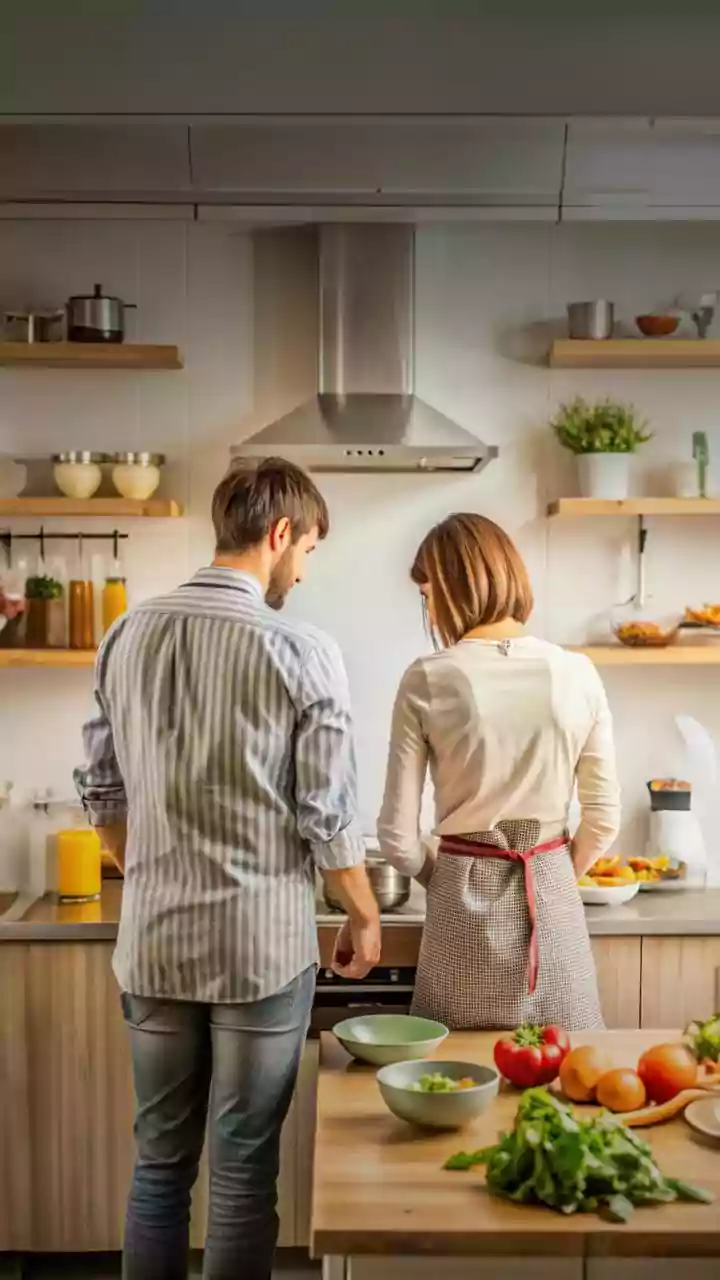
It’s realizing you have to chop vegetables for a salad while also sautéing the main course. It's any task that demands your full, immediate attention at the exact moment guests are arriving or other dishes need care. Effective menu planning isn't about finding more impressive recipes; it's about designing a workflow where these collisions are engineered out. The goal is to create a menu where the host is present, not perpetually trapped in a cycle of last-minute tasks.
Embrace the Room-Temperature Rule
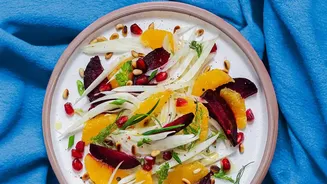
One of the most effective ways to eliminate bottlenecks is to fall in love with dishes that are served at room temperature. This single strategy frees up your oven and stovetop during the critical pre-dinner rush. Think beyond a simple leafy salad. A platter of roasted vegetables with a vibrant dipping sauce, marinated mozzarella balls, elaborate charcuterie or cheese boards, and grain salads can all be prepared hours, or even a day, in advance. These dishes don't just sit on the counter; they get better as their flavors meld. By having one or two substantial, delicious items that require zero last-minute heat, you've instantly cleared a major potential traffic jam in your kitchen.
Rethink the Single, Complex Main
The idea of a show-stopping main dish, revealed to gasps of delight, is a powerful one, but it's often the primary source of stress. Coordinating a perfectly cooked roast with three hot side dishes is a feat of timing that can overwhelm even seasoned cooks. A less stressful approach is to choose a main course that is either forgiving or can be largely finished before anyone arrives. Think of a large pot of chili, a rich lasagna, or pulled pork that can be kept warm in a slow cooker. Another strategy is to focus on one "superstar" dish that requires some effort and keep everything else incredibly simple, like pairing a special main with a simple salad and good bread. This allows you to focus your energy without spreading yourself too thin.
Prep Components, Not Just Dishes
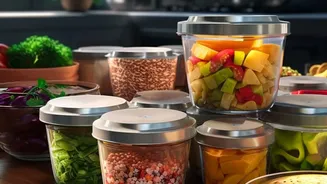
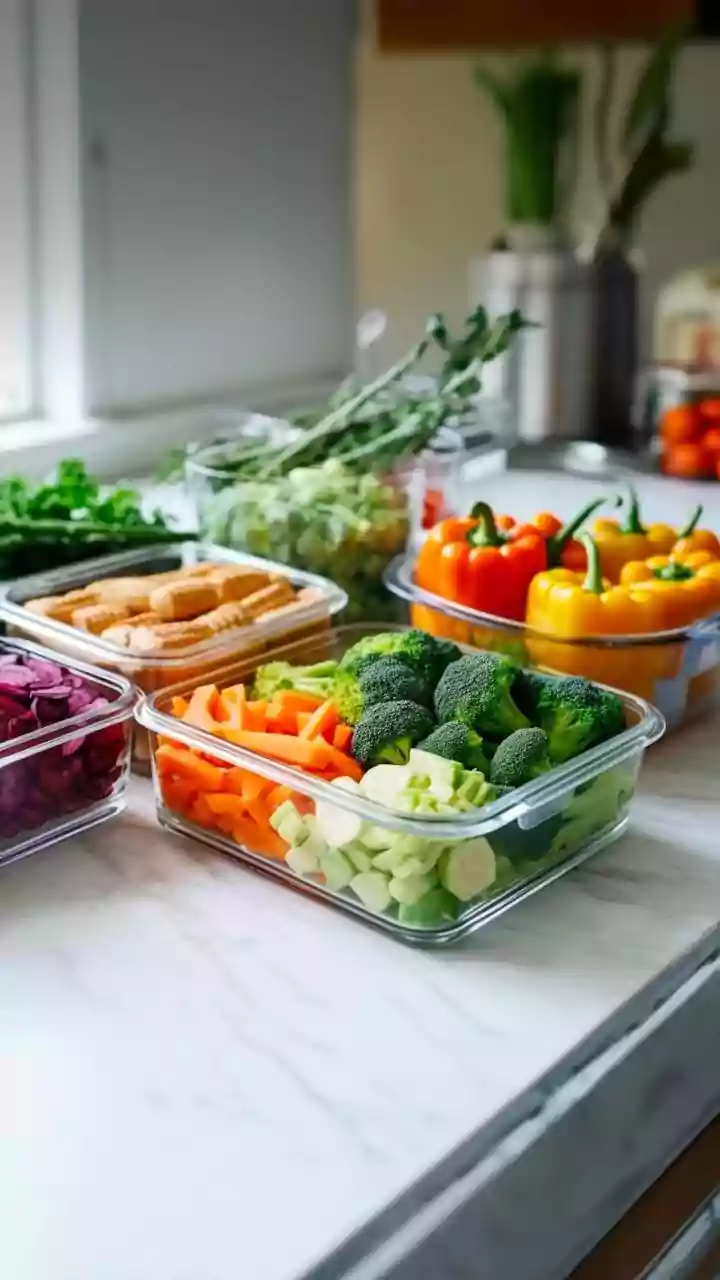
Stress-free hosting often comes down to what you do in the days leading up to the event. Instead of thinking only about which full dishes can be made ahead, think about which components you can prepare. Chop all your vegetables and store them in airtight containers. Make your salad dressings, marinades, and sauces. Toast nuts, grate cheese, or mix together a spice blend. This practice of 'mise en place,' or having everything in its place, transforms cooking from a frantic scramble into a calm assembly process. When it's time to cook, you're simply combining pre-prepared elements, not starting from scratch on a dozen different things at once.
Outsource with Purpose and Pride
There's a persistent myth that a good host makes everything from scratch. It's time to let that idea go. Strategically outsourcing parts of the meal is one of the smartest decisions a host can make. This doesn't mean ordering a full catered meal (though that's an option too). It means buying a high-quality dessert from a local bakery, picking up a fantastic loaf of bread, or supplementing your homemade appetizers with a few store-bought favorites. If a guest offers to bring something, let them! Suggesting they contribute a dessert, drinks, or an appetizer lightens your load and allows guests to feel more involved. Your role is to curate a wonderful experience, not to single-handedly perform every task required to create it.