





Beyond the Eight-Glass Rule
For decades, the “eight glasses of water a day” rule has been the gold standard for hydration. It’s simple, memorable, and a decent starting point. However, it’s also overly simplistic. This one-size-fits-all approach doesn't account for individual differences
in body size, activity level, climate, or diet. More importantly, it overlooks a crucial piece of the hydration puzzle: simply drinking vast quantities of water can sometimes flush essential minerals out of your system, potentially leading to a state of imbalance. True hydration isn't just about the volume of water you consume, but how efficiently your body absorbs and utilises it. This is where the concept of 'smarter hydration' comes in, focusing on quality and composition over sheer quantity.
The Science of Smart Hydration
So, what does 'smarter hydration' actually mean? In simple terms, it’s about ensuring the water you drink is accompanied by electrolytes. Electrolytes are minerals like sodium, potassium, and magnesium that carry an electric charge. They are vital for countless bodily functions, including regulating nerve and muscle function, balancing blood pressure, and, most critically for this discussion, controlling fluid balance. When you sweat, you don't just lose water; you lose these crucial salts. If you replenish with plain water alone, you dilute the concentration of electrolytes remaining in your body. For water to be effectively absorbed into your cells, it needs the help of these minerals. Without them, much of the water you drink may pass through your system too quickly to be of much use.
Embrace Your Electrolytes
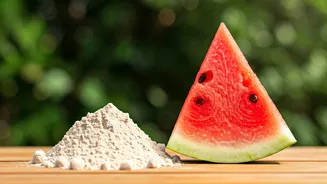
The good news is that you don't need expensive sports drinks to get your electrolytes. Nature provides them in abundance. A pinch of pink Himalayan salt or regular table salt in your water bottle can make a significant difference. Coconut water is famously rich in potassium and is often called 'nature's sports drink' for a reason. Other excellent sources include bananas, spinach, avocados, and yoghurt (dahi). Even traditional Indian drinks are powerhouses of smart hydration. A glass of salted buttermilk (chaas) or a simple nimbu pani with a pinch of salt and sugar not only quenches thirst but also replenishes the very minerals your body has lost through sweat, making it a far superior choice to plain water after exertion.
You Can Eat Your Water, Too
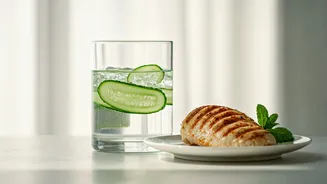
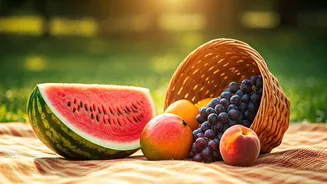
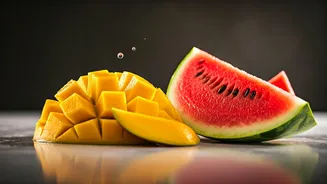
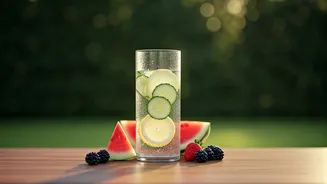
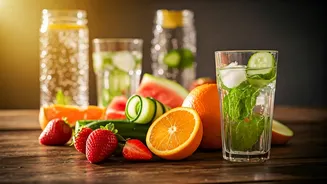
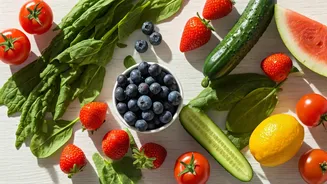
Another key principle of smarter hydration is to 'eat your water.' Many fruits and vegetables have a high water content, but they offer an additional benefit: the water is 'packaged' within a fibrous structure. This means it gets released more slowly into your system, providing more sustained hydration than a quick glass of water. Think of cucumbers (about 96% water), watermelon (92%), and strawberries (91%). These foods deliver water along with vitamins, minerals, and antioxidants. Incorporating water-rich foods into your daily meals and snacks is an easy and delicious way to contribute to your overall hydration status. A simple kachumber salad, a bowl of watermelon, or a serving of raita can be just as hydrating as a glass of water, if not more effective.
Listen to Your Body's Cues
Ultimately, the smartest hydration strategy is a personalised one. Thirst is an obvious signal, but it's often a late one—by the time you feel thirsty, you may already be mildly dehydrated. Pay attention to other cues, such as the colour of your urine (pale yellow is ideal), fatigue, headaches, or a lack of focus. Your hydration needs will change daily. A day spent in an air-conditioned office requires less replenishment than a day spent outdoors or exercising. Instead of rigidly tracking glasses, learn to listen to your body and respond with smart choices. Start your day with a glass of water, incorporate hydrating foods into your meals, and choose electrolyte-rich drinks when you know you'll be sweating more. This intuitive approach is the real secret to staying healthy and energised all summer long.