







An Industry of Unmatched Scale
India is the largest milk producer on the globe, accounting for about a quarter of the world's total output. In the 2024-25 fiscal year, the country produced nearly 248 million tonnes of milk, a figure that has grown steadily over the years. This massive
industry is not just about numbers; it is the backbone of the rural economy, supporting over 80 million farming families. From the morning cup of chai to paneer, ghee, and curd, dairy is deeply woven into the nation's nutritional and cultural fabric. This production is concentrated in a few key states, with Uttar Pradesh, Rajasthan, Madhya Pradesh, Gujarat, and Maharashtra together accounting for more than half of the country's entire milk supply.
The Science of Heat Stress
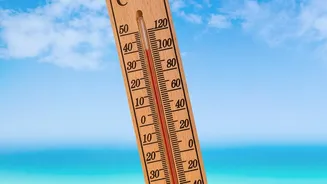
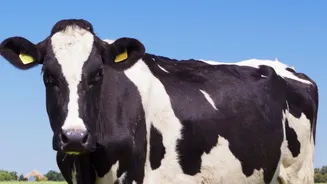
Cattle, particularly high-yielding crossbred varieties, are sensitive to their environment. They have a thermal comfort zone, and when the Temperature-Humidity Index (THI) rises above a threshold of 72, they begin to experience heat stress. In many parts of India, summer conditions frequently push the THI well beyond this limit. The animal's immediate response is to conserve energy; it eats less, drinks more water, and diverts metabolic resources away from milk production towards simply trying to cool down through panting and sweating. This directly leads to a drop in milk yield, with some studies reporting losses of 10-30%. Furthermore, the quality of the milk suffers, with a noticeable decrease in fat and protein content, which in turn reduces its market value.
A Worsening National Challenge
The impact of heat stress is no longer a distant forecast. Recent studies have documented its severe effects across the country. A multi-decade study in Haryana, a major milk-producing state, found that temperatures above 38°C combined with high humidity cause significant drops in milk production, especially in buffaloes, which are more vulnerable due to having fewer sweat glands. The economic toll is already staggering. One analysis estimates that heat-related stress causes an annual national loss of 3.2 million tonnes of milk, valued at over ₹2,600 crore. Projections indicate this problem will only worsen. A Lancet study warned that by 2085, milk production in India's arid and semi-arid regions could fall by as much as 25% if climate change continues unabated.
The Ripple Effect on Livelihoods
For the millions of smallholder farmers who form the foundation of India's dairy sector, these changes are a direct threat to their livelihood. A drop in milk production means an immediate loss of income. At the same time, their costs increase as they spend more on veterinary care for heat-stressed animals, which are more susceptible to disease and have lower fertility rates. Farmers in some regions have reported milk yield drops of up to 25% during peak summer months. This pressure on the supply chain could eventually be felt by consumers, potentially leading to price volatility for one of the country's most essential food items. The combination of lower output and higher expenses creates a precarious situation for the rural families who depend on dairy for their economic stability.
Adapting for a Hotter Future
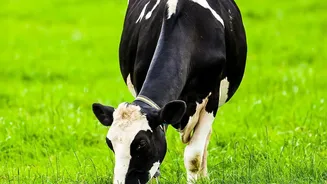
Fortunately, the challenge is not insurmountable. A multi-pronged approach focusing on adaptation and innovation is underway. Simple, low-cost solutions like providing adequate shade and improving ventilation in cattle sheds can make a significant difference. Many farmers are also installing fans and water sprinklers to create a cooler microclimate for their animals. Nutritional strategies, such as adjusting feeding times to cooler parts of the day and using specialized feeds, can help maintain an animal's energy intake. In the long term, a key solution lies in genetics. There is a growing focus on promoting indigenous Indian cattle breeds like the Gir, Sahiwal, and the heat-tolerant Vechur dwarf cow, which are naturally more resilient to high temperatures than their crossbred counterparts.