



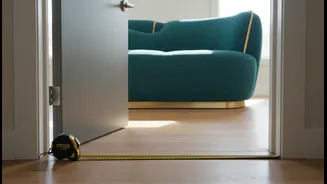


The Agony of a Failed Delivery
Falling in love with a piece of furniture online or in a showroom is the easy part. The hard part, as many apartment dwellers have discovered, is getting it home. A beautiful six-seater sectional or a solid wood bookshelf that looks perfect in a spacious
store can quickly become an immovable object when faced with the realities of residential building lifts, narrow corridors, and tight stairwells. The result is more than just disappointment; it can involve hefty return fees, the added cost of hiring professionals for hoisting, or the frantic search for a disassembly service. A few minutes of prep work can save you from this entirely avoidable headache and financial strain. Think of it as the most important step between 'add to cart' and 'add to your living room'.
Conduct a Full Delivery Path Audit
Your lift is the most common obstacle, but it's not the only one. Before you shop, you need to measure the entire journey your furniture will take from the delivery truck to its final spot. This 'delivery path audit' is your blueprint for success. Walk the path yourself and measure every potential bottleneck: building entrances, security doors, hallways, sharp turns, and staircases. Pay special attention to handrails, protruding light fixtures, or low ceilings that can reduce clearance. For staircases, measure the width at the narrowest point and the height clearance from the steps to the ceiling, especially at landings where the furniture will need to pivot.
How to Measure Your Lift Correctly
Measuring the lift is a non-negotiable step. Grab a tape measure and note down these key numbers: the height and width of the lift door opening, the interior width and depth from wall to wall, and the interior height from floor to ceiling. Be mindful of things like light fixtures or emergency hatches that lower the effective height. The most critical measurement that people often forget is the diagonal. Measure from the bottom centre of the lift door to the top back corner of the interior. For large items like sofas, this diagonal space is often the only way to get them inside by tilting them. Remember that service elevators may have protective padding installed on delivery days, which can reduce your clearance by a few inches.
Shopping with Your Measurements in Hand
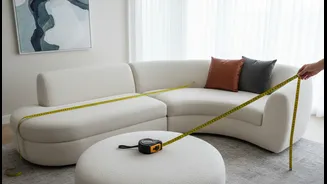
Once you have your delivery path numbers, you can shop with confidence. When you find a piece you love, look for its dimensions, usually listed as width, depth, and height. The golden rule is that the furniture's depth or height must be less than the width of your narrowest doorway or hallway. For sofas, compare the piece's diagonal depth to the height of your lift door opening. If the sofa's diagonal depth is smaller, it can be tilted and brought in. If you're unsure, don't be afraid to ask the store staff for help. Some retailers can advise you based on your measurements. A pro tip from interior designers is the 'cardboard template' method: cut a piece of cardboard to the furniture's footprint (width and depth) and physically walk it through the delivery path to see if it clears all turns.
When It Just Won’t Fit: Your Plan B
Even with careful planning, sometimes a piece is just too big. Before you buy, always understand the store’s return policy, including any restocking fees or return shipping costs. If you’re committed to an item, investigate other options. Many modern sofas are designed to be disassembled (arms, backs, and legs can often be removed). Check with the manufacturer if this is possible. For buildings that allow it, professional hoisting services can lift furniture from the outside of the building through a large window or balcony, though this comes at an additional cost. Your final option might be to look for modular furniture, like sectional sofas that arrive in smaller, more manageable boxes and are designed for apartment living.