




From Kitchen Scrap to Beauty Staple
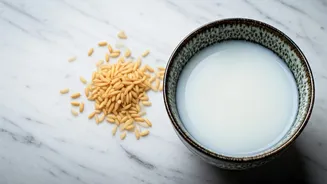
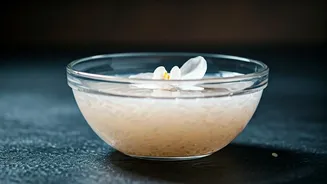
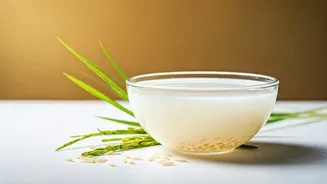
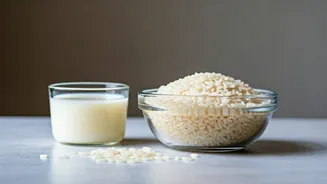
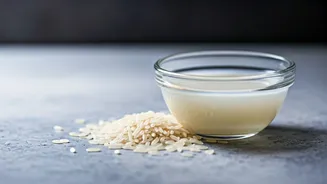
What was once simply the leftover water from washing rice is now being bottled, sold, and celebrated as a miracle treatment for hair and skin. The concept is simple: the starchy water is rich in nutrients that leach from the rice grains. These include
amino acids, B vitamins, minerals, and inositol, a carbohydrate believed to repair and protect hair. This DIY-friendly trend has exploded in popularity due to its accessibility and low cost. In a world of complex, 10-step routines and expensive products, the appeal of a single, natural ingredient that promises stronger, longer, shinier hair is undeniable. It has become the ultimate beauty 'hack', shared and remixed millions of times across social media platforms.
An Ancient Beauty Secret
While rice water may be new to your social media feed, it’s a tradition steeped in history. Its most famous proponents are the Yao women from the village of Huangluo in China, who are Guinness World Record holders for their astonishingly long, strong, and healthy hair, which they traditionally wash in fermented rice water. Their hair often doesn't begin to grey until they are in their 80s. This practice is a core part of their cultural identity. Similarly, historical records suggest that court ladies during Japan's Heian period (794 to 1185 AD) used 'Yu-Su-Ru' (the water left from washing rice) to keep their floor-length hair healthy and beautiful. This modern trend, therefore, isn't an invention but a rediscovery of centuries-old wisdom.
The Science Behind the Splash
So, do the claims hold up? Scientifically, the evidence is promising but not yet conclusive. The key ingredient that gets researchers excited is inositol. One 2010 study found that inositol is able to penetrate the hair shaft and remains within the hair even after rinsing, offering a protective effect and reducing surface friction. The amino acids in rice water can help strengthen the hair roots, increase volume, and improve shine. For skin, the starchy liquid is thought to have anti-inflammatory properties, with some studies suggesting it can help soothe irritated skin and repair a damaged skin barrier. However, most of the dramatic 'before and after' results seen online are anecdotal, and dermatologists caution that results will vary wildly based on hair type, water quality, and preparation method.
Haircare Hero or Hype?
The number one claim is that rice water makes hair grow faster and stronger. While it can’t change your genetic growth cycle, its strengthening properties can reduce breakage. Less breakage means you retain length, giving the illusion of faster growth. The smooth coating it provides can also reduce tangles and increase shine, making hair look and feel healthier instantly. However, there’s a catch: protein overload. Rice water is rich in protein, and for those with low-porosity or protein-sensitive hair, using it too often can have the opposite effect. Instead of silky strands, you could end up with dry, brittle, and stiff hair. Moderation is key; experts suggest starting with once a week and seeing how your hair responds.
DIY Darling: How To Make It
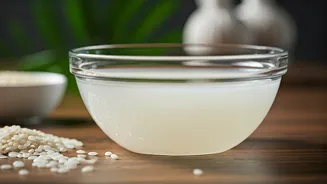
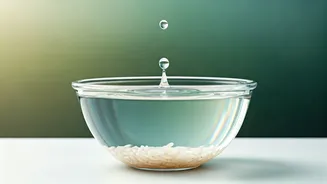
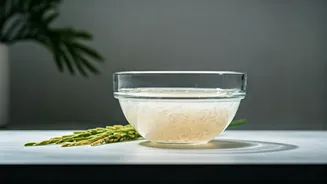
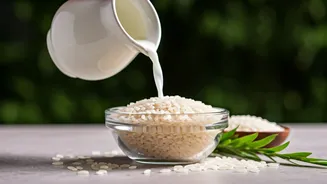
Part of the appeal is how easy it is to make at home. There are three popular methods. The simplest is the soaking method: just rinse half a cup of uncooked rice, then soak it in two to three cups of water for at least 30 minutes. Strain the rice, and the cloudy water is ready to use as a final hair rinse after shampooing and conditioning. For a more potent version, you can boil the rice and use the excess water. The most traditional method is fermentation. After soaking the rice, let the water sit at room temperature for 12 to 24 hours until it develops a slightly sour smell. This process lowers the pH of the water, making it closer to hair's natural pH, and is believed to enhance the concentration of nutrients and antioxidants.