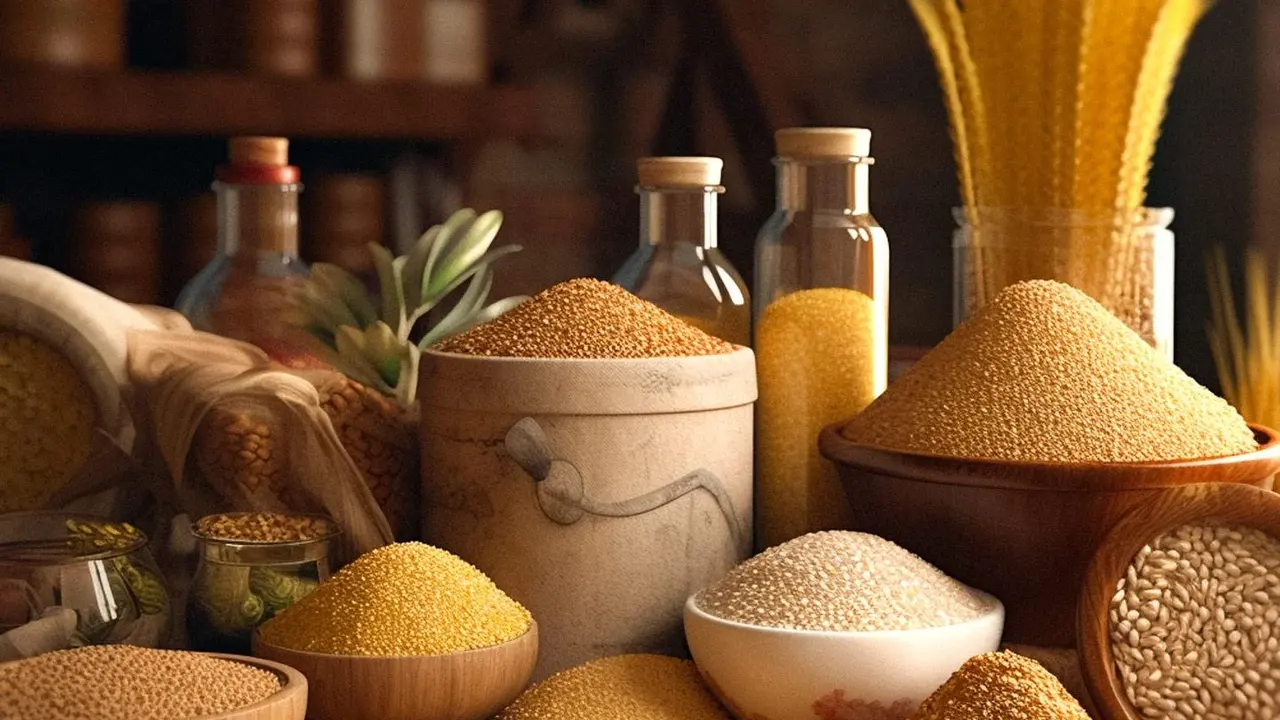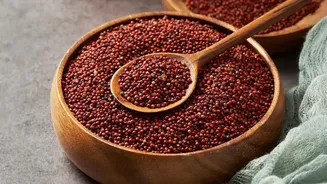

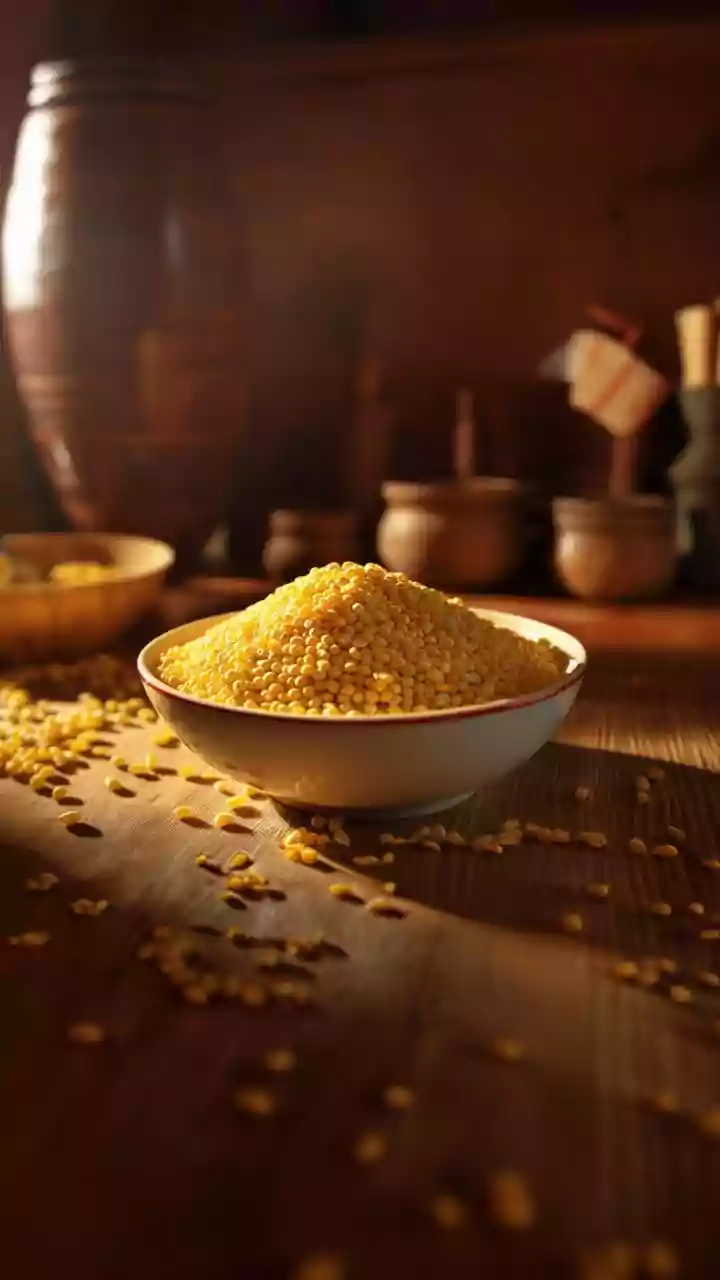



Walk into any supermarket and you'll see the same story: a bag of Indian ragi or bajra sits modestly on one shelf, while a box of imported quinoa boasts a 'superfood' label and a premium price tag. But why is there such a huge cost difference?
The Journey from Farm to Your Plate
The most
straightforward reason for the price gap is distance. Millets like jowar, bajra, and ragi are grown extensively across India, from Rajasthan and Karnataka to Maharashtra. The journey from a local farm to your neighbourhood kirana store is short and involves a relatively simple supply chain. Quinoa, on the other hand, is native to the Andes mountains in South America, with Peru and Bolivia being the largest producers. Getting it to an Indian kitchen involves a complex international journey. Over 80% of quinoa sold in India is imported, which means the final price you pay includes costs for international shipping, handling, and import duties, even if those duties are low. This long-distance travel adds multiple layers of cost before the product even reaches the retailer.
Homegrown vs. Imported: The Farming Advantage
Millets are exceptionally well-suited to India's climate. They are hardy, drought-resistant crops that thrive in arid conditions with fewer chemical inputs, making them a sustainable and low-cost choice for farmers. Quinoa, while also a hardy grain, has specific cultivation needs and has not been widely adopted by Indian farmers, keeping local supply limited. Though there are some efforts to grow quinoa in states like Rajasthan, the scale is nowhere near that of millets. The sheer abundance and ease of cultivation for millets across numerous Indian states ensure a steady, high-volume supply that naturally keeps market prices low for consumers.
The Power of Government Support
In recent years, the Indian government has actively promoted millets to boost nutritional security and support farmers. Initiatives like the National Food Security Mission, subsidies for high-yielding seeds, and the 'International Year of Millets' have significantly raised awareness and encouraged production. Schemes like the Production Linked Incentive Scheme for Millet-Based Products (PLISMBP), with an outlay of ₹800 crore, further incentivize manufacturers to create value-added millet products, strengthening the entire supply chain. This top-down support helps maintain a robust and affordable millet economy. Quinoa, being a foreign crop, does not benefit from this level of domestic policy support.
The 'Superfood' Marketing Markup
Quinoa's high price isn't just about logistics; it's also about perception. It arrived in the global and Indian markets backed by a powerful Western health narrative, branding it as a premium 'superfood' rich in complete protein. This marketing creates a premium image that justifies a higher price point. Millets, despite being nutritional powerhouses, were historically seen as 'coarse grains' and are only now being rebranded for urban consumers, often through grassroots efforts and government campaigns. While a kilogram of quinoa can cost anywhere from ₹350 to over ₹600, most Indian millets retail for a fraction of that, typically between ₹60 and ₹120 per kilogram.
A Closer Look at Nutrition vs. Cost
A key part of quinoa's marketing is its status as a 'complete protein', containing all nine essential amino acids. While nutritionally impressive, many Indian millets are not far behind in protein content and often surpass quinoa in other vital nutrients. For example, ragi (finger millet) contains nearly seven times more calcium than quinoa. Pearl millet (bajra) and barnyard millet offer significantly more iron. When millets are paired with dal or legumes—a standard practice in Indian cuisine—they form a complete protein profile, nullifying quinoa's main nutritional advantage but at a much lower cost. For the Indian consumer, this means achieving superior or comparable nutrition for a fraction of the price.