



The Monsoon Dilemma: Fresh Greens and Hidden Risks
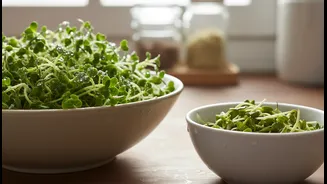
The monsoon season in India, while beautiful, creates a perfect breeding ground for bacteria, fungi, and other pathogens. The high humidity and moisture mean that raw leafy vegetables, including delicate microgreens, are more susceptible to contamination.
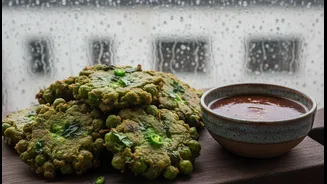
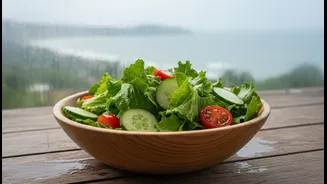
Contaminated irrigation water and damp soil can introduce harmful microbes like E. coli and Salmonella onto the leaves. Even after washing, some germs can remain, hidden in the crevices of the leaves, posing a risk for stomach infections, diarrhoea, and other waterborne diseases. This is why many health experts advise against consuming raw vegetables and salads during this season, recommending cooked foods instead.
Why Sautéing Is Your Safest and Smartest Bet
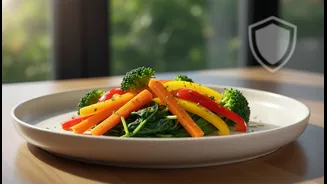
The simplest and most effective way to mitigate these risks is by applying heat. Cooking your greens, even lightly, is one of the best defences against monsoon-related foodborne illnesses. A quick sauté does more than just add flavour; the heat effectively kills the harmful bacteria and parasites that may be lurking on the leaves, making them much safer to consume. While some believe cooking destroys nutrients, a gentle and quick sauté can be a good compromise. It makes the greens safer while largely preserving their nutritional profile. In fact, light cooking can even make certain nutrients more bioavailable, or easier for your body to absorb.
The Secret to a Perfectly Crisp Sauté
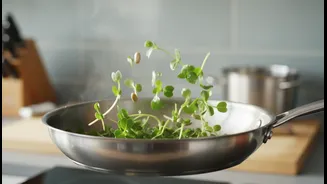
The main concern with cooking delicate microgreens is turning them into a soggy, wilted mess. The key to avoiding this and preserving their signature crunch is a technique best described as a 'flash sauté'. This involves using high heat for a very short amount of time. The goal is to heat the greens just enough to kill any pathogens without overcooking them. This method ensures they remain vibrant and retain much of their satisfying texture. You are not trying to cook them through like you would spinach; you are simply wilting them for a matter of seconds. Overcooking is the enemy of crunch, so having your pan and ingredients ready before you start is crucial for success.
A Step-by-Step Guide to Crunchy Sautéed Microgreens
Ready to try it? Follow these simple steps for perfect results every time. First, wash your microgreens thoroughly under clean, running water and pat them completely dry with a paper towel or use a salad spinner; removing excess moisture is vital for a crisp result. Next, heat a skillet or wok over medium-high heat and add a small amount of oil or ghee. For extra flavour, you can add minced garlic or ginger and cook for about 30 seconds until fragrant. Now, working quickly, add the dry microgreens to the hot pan. Toss them constantly for just 15-30 seconds. You will see them brighten in colour and wilt ever so slightly. Immediately remove them from the heat. Season with a pinch of salt and pepper, and serve right away to enjoy their warmth and crunch.
Beyond Safety: Enhanced Flavour and Versatility
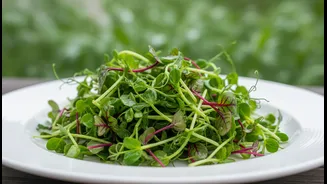
This quick-sauté method doesn't just make microgreens safer to eat during the monsoon; it also opens up new culinary possibilities. The gentle heat can mellow the flavour of more pungent microgreens like mustard or radish, making them more palatable. A warm, crunchy garnish of sautéed microgreens can elevate any dish, from dal and rice to soups, omelettes, and toast. You still get the incredible nutrient density that microgreens are famous for, with some studies showing they can have up to 40 times more nutrients than their mature counterparts. By embracing this simple cooking technique, you don't have to choose between safety and the fresh, vibrant flavours you love during the rainy season.