







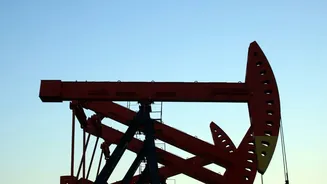
The Global Squeeze
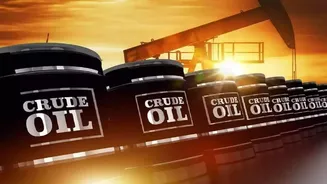
The primary driver of this pressure is the sustained increase in international crude oil prices. Geopolitical tensions in the Middle East, coupled with supply disruptions, have kept benchmark prices elevated. In recent weeks, Brent crude has hovered around
the $100 per barrel mark, a significant increase that directly impacts India, a country that imports over 88% of its crude oil requirements. While prices have shown some volatility, the general upward trend has pushed the cost of the Indian crude basket to its highest levels in months, creating a challenging environment for oil marketing companies (OMCs) and the broader economy. These global factors mean the cost of the most fundamental energy input for the country is rising, with inevitable consequences for domestic industry.
Transportation and Logistics: The First Responders
The most immediate and visible impact is on the transport and logistics sectors. Diesel is the lifeblood of India's supply chain, and any increase in its price is felt almost instantly. Freight transport is a massive component of logistics costs, and with fuel accounting for a large portion of road transport expenses, businesses are seeing their operational costs spike. This directly affects everything from the trucks that move raw materials to factories to the delivery services that bring goods to consumers. Economists note that every $10 increase in the price of a barrel of oil can lead to a significant rise in retail inflation, primarily through these 'second-order effects' that begin with transportation. As a result, companies in aviation, ride-hailing, and courier services are facing compressed margins, forced to either absorb the costs or pass them on.
A Domino Effect Across Industries
The pressure doesn't stop with logistics. Manufacturing sectors are experiencing a dual challenge: higher direct energy costs and increased freight expenses for both raw materials and finished goods. Industries like chemicals, paints, cement, and tyres, which rely on crude oil derivatives as key inputs, are particularly vulnerable to margin compression. Even the agriculture sector is not immune. The cost of running diesel-powered irrigation pumps and transporting produce from farms to markets rises, putting upward pressure on food prices. This ripple effect means that wholesale price inflation (WPI), especially in the fuel and power category, has been accelerating, signaling that cost pressures are building up across the production chain before they even reach the retail consumer.
The Inevitable Pinch on Consumers
Ultimately, these rising business costs translate into higher prices for households. When businesses can no longer absorb the increased expenses, they pass them on to consumers. This has already been seen in the rising prices of everyday items. The increase in transportation costs directly influences the price of food, especially perishables like fruits and vegetables, which see some of the fastest price transmission from fuel hikes. Economists widely agree that fuel inflation is a powerful trigger for broader consumer price index (CPI) inflation in India. With retail inflation already a concern, sustained high oil prices could further suppress household real incomes and consumption, creating a difficult trade-off for policymakers.
Navigating the New Normal
In response, businesses and the government are facing tough choices. For companies, the focus shifts to efficiency, cost optimization, and, where possible, passing on costs. Some sectors, like oil exploration and renewable energy, may see benefits as higher prices incentivise domestic production and a faster shift to alternatives. The government faces a policy dilemma: absorb the price shock through measures like excise duty cuts, which strains public finances, or allow retail prices to rise, which fuels inflation. Past actions have included a mix of both, with OMCs often absorbing some of the losses to cushion the blow. Industry leaders suggest that diversifying energy sources and improving the ease of doing business are key long-term strategies to build resilience against such external shocks.