






The Rise of Lunar Logistics
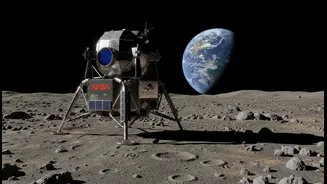
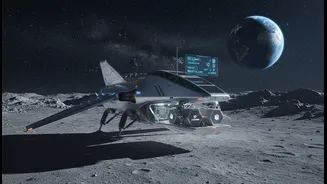
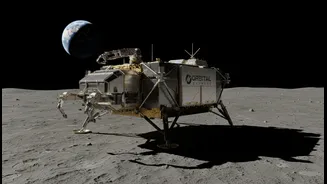
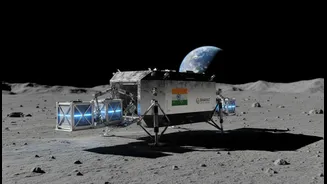
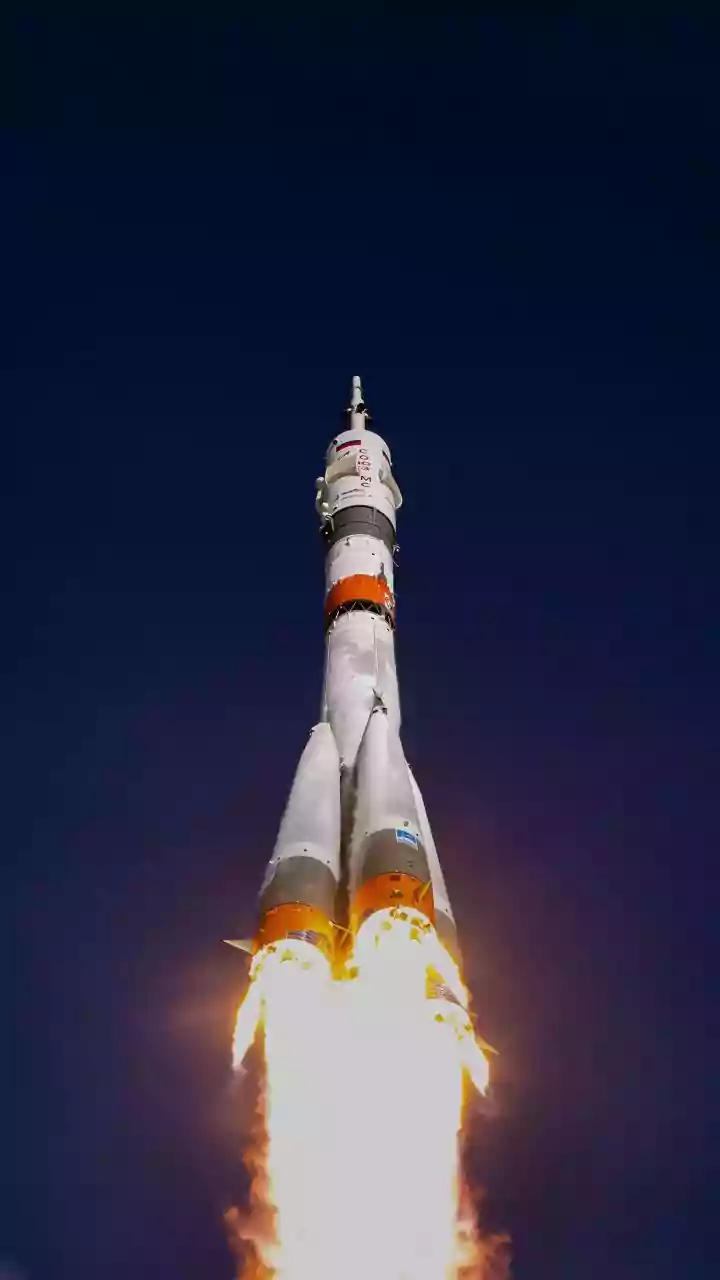
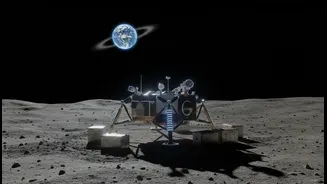
For decades, getting to the Moon was a monumental feat reserved for superpowers. Now, it’s becoming a commercial enterprise. Through initiatives like NASA's Commercial Lunar Payload Services (CLPS), the space agency is buying rides to the lunar surface
from a growing fleet of private companies. Think of firms like Intuitive Machines, Firefly Aerospace, and Astrobotic as the new interplanetary shipping carriers. Instead of funding the entire mission, NASA and other clients simply purchase space on a lander to send science experiments, technology demonstrations, and other payloads. This model is designed to drive down costs, accelerate the pace of missions, and foster a competitive market. The goal is to create a regular cadence of deliveries, transforming the Moon from a distant destination into a logistical node in a broader space economy.
What We're Building on the Moon
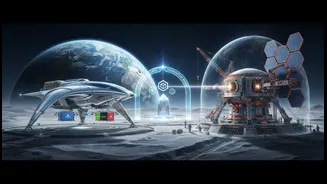
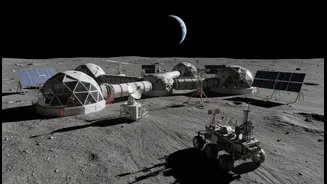
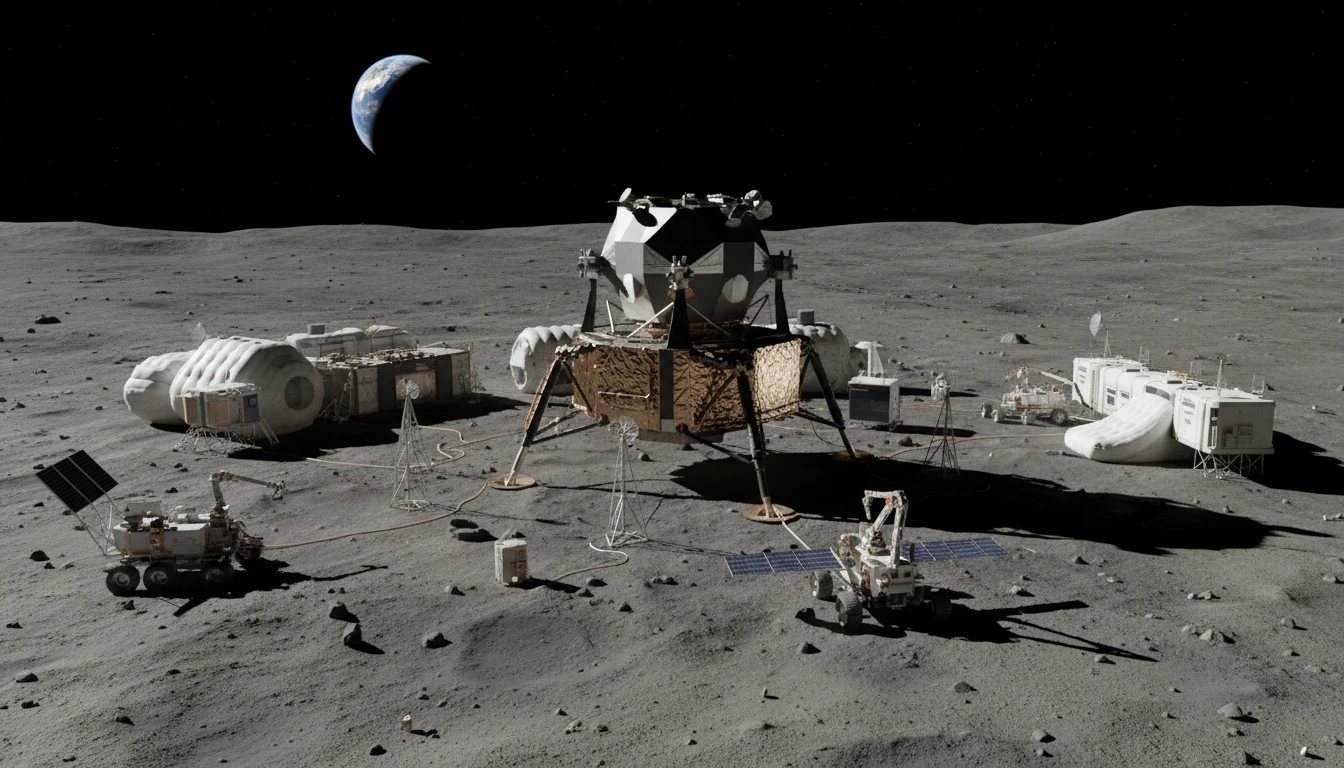
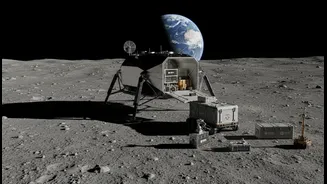
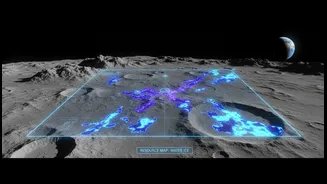
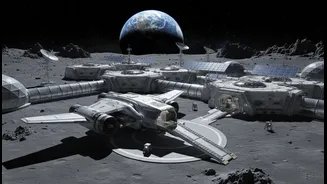
These deliveries aren't just for planting flags. They are the essential first step in building a permanent lunar outpost. The payloads arriving on CLPS missions are the seeds of future infrastructure. This includes instruments to scout for resources like water ice, which could one day be converted into rocket propellant or breathable air. It also involves testing technologies for power generation, like solar arrays and even small fission reactors, which are critical for surviving the long, dark lunar night. Other key pieces of infrastructure in development include communication relays for a lunar 'internet,' landing pads to prevent dangerous dust clouds, and habitats for future astronauts. Companies are already developing technologies to build these structures using local lunar dust, or regolith, to minimize the mass that must be launched from Earth.
The Chicken-and-Egg Connection
This is where deliveries and infrastructure become two sides of the same coin. You cannot build a lunar base without a reliable way to deliver the initial components, robotic builders, and supplies. A power grid, a habitat, or a mining operation can't materialize on their own; they must be transported piece by piece. Conversely, commercial delivery services have no long-term business model without customers who need to build and operate things on the surface. While early CLPS missions are anchored by NASA contracts, a truly sustainable lunar economy requires commercial clients. Those clients will only emerge once the foundational infrastructure—power, communications, and navigation—is in place to support their business cases, whether it's for tourism, research, or resource extraction.
An Emerging Economic Flywheel
The relationship is a classic economic flywheel. Government-funded deliveries (like CLPS) help establish initial, foundational infrastructure. This de-risks the environment for other commercial players. As it becomes easier and cheaper to operate on the Moon, new markets will emerge. A company might offer power as a utility, while another might sell data from a lunar communications network. These new businesses become customers for more delivery services, driving demand and allowing logistics companies to scale up and lower prices further. This virtuous cycle is the essence of building a self-sustaining lunar economy. We are already seeing companies evolve their business models; Japan's ispace, for example, is expanding from just landing to providing integrated infrastructure services. This shows the market is already recognizing that logistics and infrastructure are inseparable.