





The Journey Begins: Train Travel
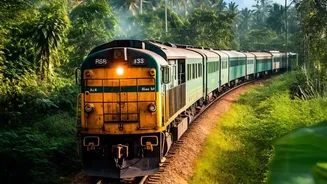
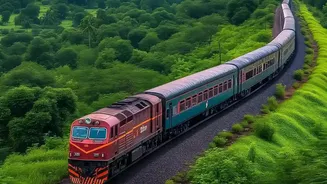
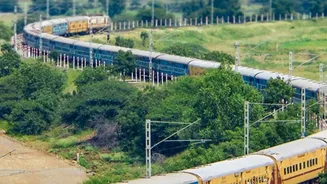
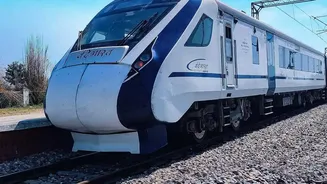
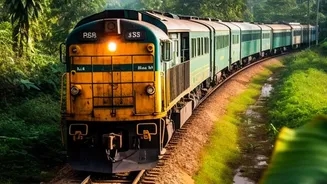
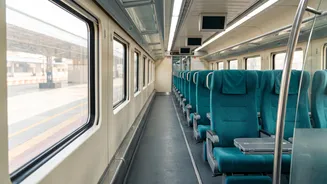
The backbone of most IRCTC tours is, naturally, the train journey itself. Packages are typically offered with different classes of train travel to suit various budgets. Economy or budget packages often include travel in Sleeper Class (SL), while standard
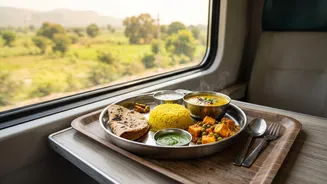
and comfort packages usually provide confirmed berths in 3AC or even 2AC coaches. For many multi-day tours, especially pilgrimage or heritage circuits, IRCTC uses special 'Bharat Gaurav' tourist trains. These are dedicated trains for the tour, which means you often retain the same berth throughout the trip, reducing the hassle of daily packing and unpacking. This provides a consistent and secure base as you travel between destinations, with onboard services often part of the experience.
Connecting the Sights: Local Transportation
Once you arrive at a destination city, the package includes local transport for sightseeing. The quality of this transport often corresponds with the level of your tour package. Standard and comfort packages typically provide air-conditioned vehicles for transfers and sightseeing excursions. Budget or economy packages might use non-AC buses or coaches. It's important to read the itinerary details carefully. For some destinations, while intercity travel is fully covered, reaching specific inner points or valleys, like in parts of Kashmir, may require hiring separate local taxis at your own expense due to local transport union rules. These transfers are a crucial part of experiencing the 'landscapes', as they take you from the railway station to your hotel and through the heart of the region you're visiting.
A Place to Rest: Accommodation Standards
Accommodation is one of the most variable components of an IRCTC tour. The packages promise pre-booked hotel stays, but the category of hotel can range from basic to more comfortable options. Itineraries often use terms like 'standard', 'comfort', or 'deluxe' to describe the hotels. In practice, this can translate to budget hotels, guesthouses, or dharmashalas for economy packages, and 2-star or 3-star hotels for higher-tiered packages. It is rare for these packages to include luxury 4 or 5-star properties unless it is a premium or international tour. It’s also common for itineraries to state 'hotels of similar category', meaning the final hotel may not be the one named in the promotional material. Checking reviews for the specific tour can sometimes provide insight into the typical quality of accommodation provided.
Inclusions vs. Exclusions: What’s Covered?
A key part of understanding the package is knowing exactly what your payment covers. Generally, IRCTC packages are quite comprehensive. They typically include your train or flight tickets, hotel stays, most meals (often breakfast and dinner), and all sightseeing transfers as per the itinerary. Travel insurance is also a common inclusion, providing an extra layer of security. However, some costs are almost always excluded. These usually include entrance fees to monuments and parks, camera charges, expenses of a personal nature (like laundry or shopping), and tips for guides and drivers. Some tours also exclude certain meals, giving you the flexibility to explore local cuisine on your own. Always read the 'inclusions' and 'exclusions' list on the official IRCTC tourism website before booking to avoid unexpected expenses.
Booking and Practical Tips
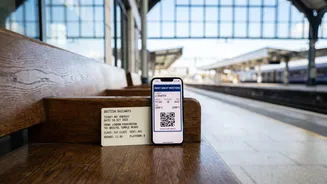
When booking a tour, the price will vary based on occupancy—single, double, or triple sharing. Triple sharing is usually the most economical option. It's also worth noting that while IRCTC handles the main logistics, some personal responsibility might be required, such as completing mandatory biometric registrations for certain pilgrimages. If travelling with senior citizens, it's wise to check the accessibility of the planned sights and the amount of walking involved. While tours are designed for comfort, some destinations are inherently more physically demanding. Lastly, book well in advance, especially for popular tours or during peak seasons, as seats can fill up quickly.