




Fortify Your Home
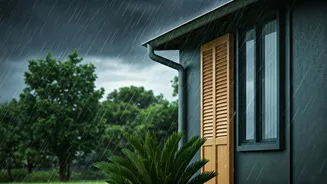
Your home is your primary shelter, and securing it should be your first priority. Before the monsoon truly sets in, conduct a thorough inspection. Look for loose roof tiles, cracks in your walls, and any potential points of water entry. Clear your gutters
and drainage systems of leaves, debris, and any blockages that could cause water to overflow and seep into your foundation. It’s also wise to trim any overgrown tree branches near your house that could break and fall on your property during strong winds. Inside, check that all windows and doors seal properly. A simple door snake or weatherstripping can prevent water from being driven indoors by wind. Finally, move valuable electronics and important documents to a higher shelf or a waterproof container to protect them from potential ground-level flooding.
Assemble an Emergency Kit
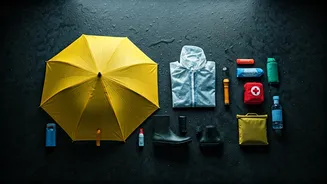
Power cuts and disruptions to services are common during heavy downpours. An emergency kit can be a lifesaver. This doesn’t have to be complicated. Start with the basics: a powerful torch with extra batteries, a power bank for your mobile phone, and a first-aid kit stocked with antiseptic, bandages, and any personal medications. Also include a supply of clean drinking water (at least two litres per person per day) and non-perishable food items like biscuits, granola bars, and ready-to-eat meals that don’t require cooking. A battery-operated radio can be invaluable for receiving weather updates from official sources like the India Meteorological Department (IMD) if internet and mobile networks fail. Keep this kit in an easily accessible place where everyone in the family knows where to find it.
Navigate with Caution
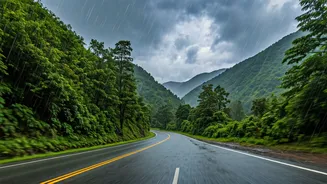
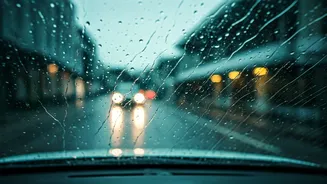
If you must travel during a heavy downpour, exercising extreme caution is non-negotiable. Waterlogged streets are the biggest hazard, hiding open manholes, potholes, and other dangers. If you can, delay your travel. If not, stick to main roads and avoid underpasses, which are prone to severe flooding. If you are driving, check your car’s tyres, brakes, and wipers beforehand. Drive slowly, maintain a safe distance from the vehicle ahead, and never attempt to drive through deep, flowing water. A mere six inches of water can cause you to lose control of your car, while two feet can sweep it away. For those on foot or using two-wheelers, be mindful of loose, dangling electrical wires and stay clear of electric poles. Wear appropriate non-slip footwear to avoid falls on slick surfaces.
Safeguard Your Health
The monsoon brings a spike in water-borne and vector-borne diseases. Protecting your health is just as important as protecting your property. Always drink boiled or properly filtered water to avoid diseases like cholera and typhoid. Avoid eating street food, especially items that may have been exposed to contaminated water. At home, ensure there is no stagnant water collecting in or around your house—in coolers, flower pots, or discarded containers—as these are breeding grounds for mosquitoes that spread dengue, malaria, and chikungunya. Use mosquito nets or repellents, especially during dawn and dusk. Keep your surroundings clean and dry, and wash your hands frequently with soap. If you or a family member develops symptoms like fever, body aches, or stomach issues, consult a doctor promptly.