



The Convenience-Risk Trade-Off
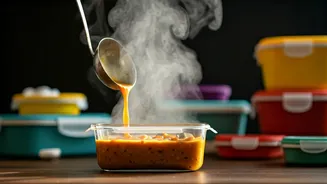
In our fast-paced lives, ordering food online has become a daily ritual for many across India. It’s convenient, quick, and offers endless variety. But this convenience comes with a question we often overlook: how safe is the container our hot, oily, and delicious
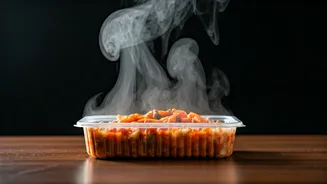
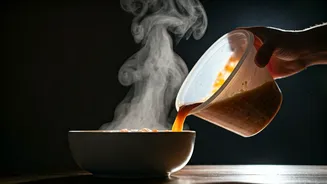
food is packed in? When hot food like dal, sambar, or a rich gravy is poured into a flimsy plastic container, it's not just a matter of potential spills. The real concern is invisible. Heat can cause chemicals from the plastic to leach into your meal, turning a comforting dinner into a potential health hazard. This interaction is the gamble we take—trading long-term wellness for short-term ease.
The Problem with Plastic and Heat
Not all plastics are created equal, and many are not designed to handle hot temperatures. The primary culprits are chemicals like Bisphenol A (BPA) and phthalates, which are often used to make plastics hard or flexible. When you add heat—from a steaming hot meal or by microwaving a takeaway container—the rate of chemical leaching can increase significantly. These chemicals are known as endocrine disruptors, meaning they can interfere with the body's hormonal systems. Another growing concern is microplastics. Studies show that heating, and even normal wear and tear, can cause plastic containers to shed millions of tiny plastic particles into our food. While research into the long-term effects on human health is ongoing, early evidence links these exposures to a range of health issues.
A Simple Guide to Plastic Codes
To make safer choices, you can start by checking the small number inside a triangle on the bottom of plastic containers. This is the Resin Identification Code. Here’s a simple guide: - Safer Choices (Usually for hot food): Look for #5 PP (Polypropylene). This plastic has a high melting point and is generally considered a safer option for hot foods. Many reusable food containers and baby bottles are made from it. - Okay for Cold, Not for Hot: #1 PET (used for water bottles) and #2 HDPE (used for milk jugs) are generally considered safe for their original purpose but are not intended for hot foods. - Avoid for Food: Try to avoid #3 PVC, #6 PS (Polystyrene, or styrofoam), and #7 (Other/Polycarbonate). These plastics can leach harmful chemicals, especially when heated.
Making Safer Choices Every Day
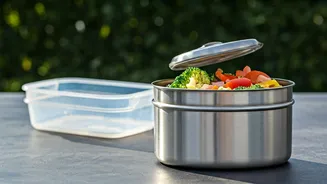
Becoming a more conscious consumer doesn't mean giving up on the convenience of takeaway. It's about making small, informed changes. The Food Safety and Standards Authority of India (FSSAI) has regulations for food packaging, but awareness is key. Start by transferring your delivered food out of the plastic container as soon as it arrives, especially if it's hot or oily. Use glass, ceramic, or stainless steel containers for storage and especially for reheating. Never microwave food in a plastic takeaway container, even if it claims to be 'microwave-safe', as this label often refers to the container not melting, rather than preventing chemical leaching. Consider patronizing restaurants that use higher-quality, food-grade packaging or non-plastic alternatives. Some establishments are shifting to bagasse (sugarcane pulp), cardboard, or aluminium containers. When you pick up an order yourself, ask if you can bring your own stainless steel or glass containers. Every choice sends a message to businesses about what consumers value.