




Walking in the Footsteps of History
Greece's landscape is a living museum, and many of its modern hiking trails follow routes that are thousands of years old. These are not just paths through nature; they are journeys through time, connecting traditional stone villages, ancient sanctuaries,
and dramatic gorges that have shaped civilizations. This unique blend of outdoor travel and archaeology allows you to experience history in a deeply personal way. Instead of viewing artifacts behind glass, you can walk the Sacred Way towards Delphi, traverse parts of the Roman Via Egnatia, or follow the mountain routes that connected isolated communities for centuries. This approach to travel moves beyond simple sightseeing, offering a richer understanding of how geography and history are intertwined.
The Menalon Trail: Arcadia's Mythical Heart
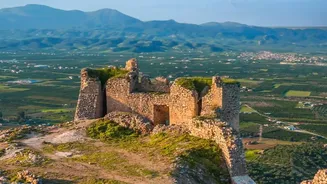
In the heart of the Peloponnese peninsula lies Arcadia, a region steeped in mythology and the home of Pan, the god of the wild. Here you will find the Menalon Trail, a 75-kilometre route that was the first in Greece to be certified by the European Ramblers' Association. The trail connects nine traditional mountain villages, including Stemnitsa and Dimitsana, winding through the spectacular Lousios Gorge and past monasteries, old watermills, and Byzantine fortresses. Divided into eight sections of varying difficulty, it can be tackled in its entirety over several days or enjoyed as shorter day hikes suitable for families. Local volunteers restored these old mule paths, which were the primary way to travel between villages until the 1950s, creating a world-class hiking experience.
The Ursa Trail: Epirus's Rugged Beauty
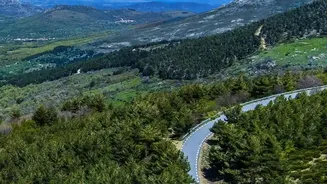
For those seeking a more rugged adventure, the Ursa Trail in the Pindus mountains of Epirus offers a different kind of historical immersion. Named for the bears that still roam this region, this 40-kilometre path around the town of Metsovo is also a certified 'Leading Quality Trail of Europe'. The trail navigates dense forests of black pine and beech, passes World War II trenches, and features art installations from students of the Athens School of Fine Arts. It connects hikers with the area's rich biodiversity and cultural landmarks, including stone bridges and Byzantine churches. The trail is a community-driven project that highlights a commitment to sustainable tourism and preserving historic paths for future generations to explore.
Epirus Trail: Greece's Longest Path
For the truly ambitious, the Epirus Trail is the longest single hiking trail in Greece, initially spanning 370 kilometres. Launched in 2015, this grand route connects the mountains of Grammos to the Tzoumerka range, following the ancient roads that locals used for centuries to travel across the region. The trail passes through 25 mountain settlements, seven mountain shelters, and areas of exceptional natural beauty, including parts of the famous Vikos Gorge. It even incorporates sections of other classic trails like the O3, E4, and the Ursa Trail, creating an interconnected network for hikers. This initiative was designed to boost alternative tourism and reintroduce a modern audience to the ancient pathways that are a core part of the region's cultural heritage.
Planning Your Archaeological Hike
The best times to explore these trails are typically in the spring and autumn, avoiding the intense heat of the summer and the snow of winter. Many trails are well-signposted, making self-guided tours possible for experienced hikers. However, a variety of local companies offer guided treks, which can provide deeper insights into the history, flora, and fauna of the region. Whether you choose a day hike on Crete's Onithe Path, which meanders through a scarcely explored Archaic city, or a multi-day journey across the Peloponnese, packing layers, sturdy hiking shoes, and plenty of water is essential. Many trails connect villages where you can find accommodation and traditional taverns, allowing you to immerse yourself in local culture after a day of walking through history.