





A Flavour Revolution in a Jar
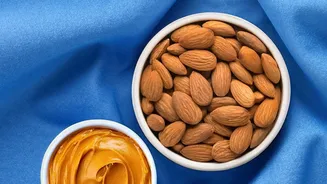
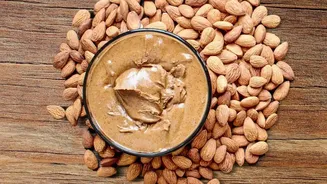
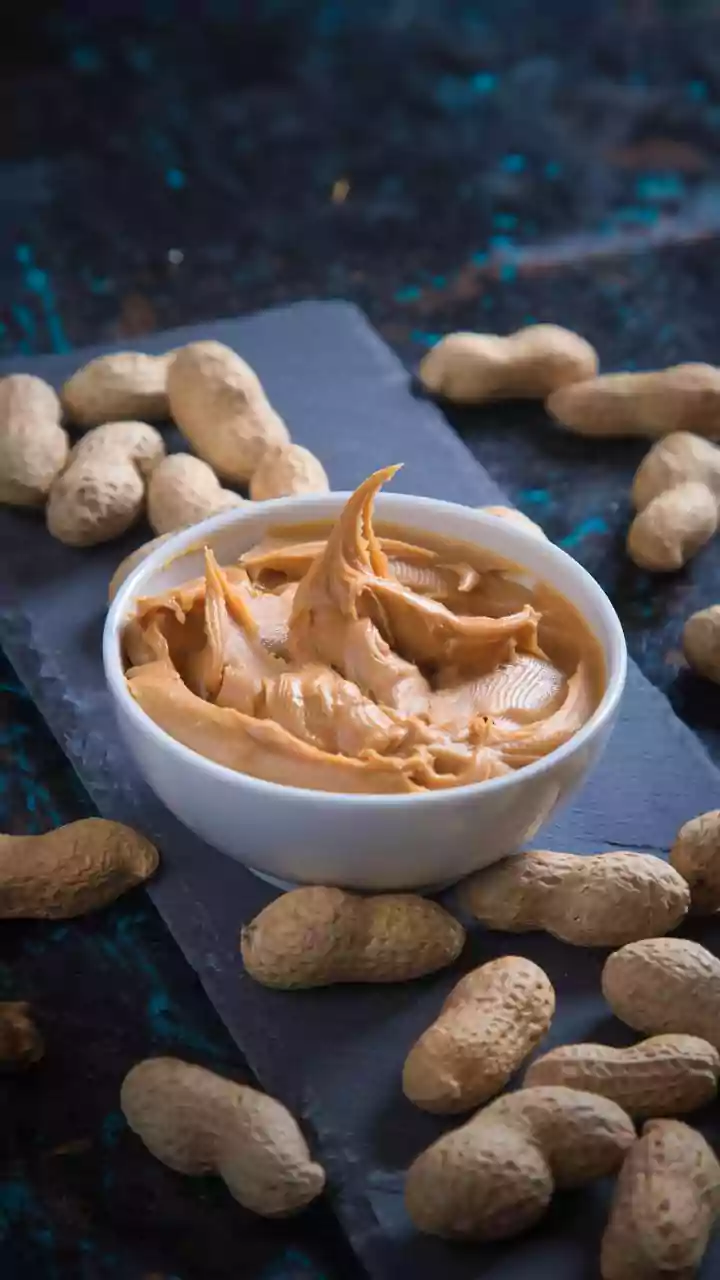
For years, the nut butter shelf was a predictable space dominated by peanut and almond, with variations limited to smooth or crunchy. But now, a culinary shift is underway, driven by homegrown brands looking to innovate. They are moving beyond purely
sweet profiles and tapping into India's vast and complex spice heritage. Imagine an almond butter not just sweetened with jaggery, but given a fiery kick with Guntur chilli, or a cashew butter made golden and aromatic with Lakadong turmeric. This isn't just about adding heat; it's about creating complex, layered flavours that speak to a more adventurous Indian palate, transforming the humble spread into a gourmet experience.
The Power of Regional Spices
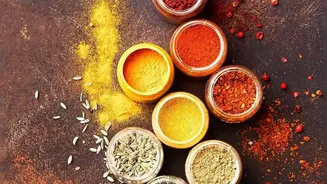
The stars of this trend are spices deeply rooted in India's regional cuisines. Take the Bhut Jolokia, or Ghost Pepper, from Northeast India. Once famous only for its formidable heat, chefs and producers now appreciate its smoky, fruity undertones, which can add incredible depth to savoury spreads. Then there's the Guntur Sannam chilli from Andhra Pradesh, prized for its sharp, pungent flavour that elevates anything it touches. On the other end of the spectrum is Lakadong turmeric from Meghalaya, renowned for its high curcumin content and intense, earthy aroma, or fragrant spices like cardamom and saffron that create luxurious, dessert-like butters. One brand, Native Tongue, offers a Peanut Butter with Byadgi Chilli and a Golden Almond Butter with Lakadong Turmeric, showcasing how specific regional ingredients can define a product.
More Than Just Taste
The appeal of these spiced nut butters goes beyond their unique taste. Many of these spices are celebrated in Ayurveda and traditional medicine for their health benefits. Turmeric contains curcumin, a powerful anti-inflammatory and antioxidant compound. Chillies like the Guntur Sannam are rich in capsaicin, which can boost metabolism and aid digestion. Black pepper is known to enhance nutrient absorption and support immunity. By incorporating these ingredients, brands are offering a product that not only tastes good but also aligns with a growing consumer interest in wellness and functional foods. This approach also champions a farm-to-jar ethos, often sourcing spices directly from farmers and celebrating India’s rich agricultural biodiversity.
From Toast to Tikkas
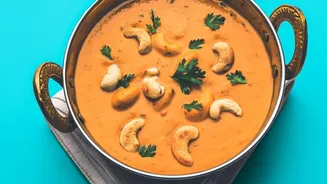
So, how does one use a spicy nut butter? The possibilities are surprisingly versatile. While they are perfect for adding a kick to your morning toast or a bowl of oatmeal, their potential extends far into savoury cooking. A spoonful of Bhut Jolokia almond butter can be whisked into a marinade for grilled chicken or paneer, adding both richness and heat. A turmeric-infused cashew butter can create a quick, creamy, and healthy base for a curry sauce. These spreads can also be used as a dip for fresh vegetables, a flavour booster in noodle dishes, or swirled into soups. They are an invitation to experiment in the kitchen, bridging the gap between a convenient snack and a key culinary ingredient.