








The Myth of the Multigrain Mix
Many of us reach for packaged 'multigrain' or 'atta with millets' thinking it's a simple shortcut to good health. While the intention is right, the execution might be falling short. When multiple grains are ground together into a single flour, you get a little
bit of everything, but not necessarily the best of anything. Each grain has a unique profile of proteins, fibres, vitamins, and minerals. A random mix dilutes the potent benefits of each individual grain, giving you an average nutritional value rather than a targeted boost. Furthermore, you have little control over the proportion of each grain in a commercial mix, which often contains a majority of wheat or rice with only a small amount of other beneficial millets.
Why Rotation Is the Superior Strategy
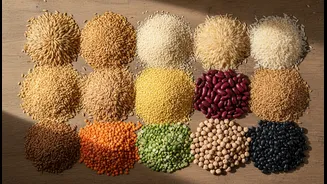
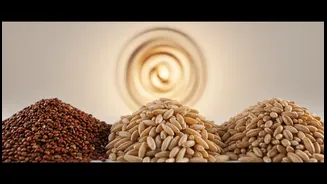
The principle of rotation is simple: instead of mixing grains, you eat different single grains on different days or weeks. This strategy is borrowed from agriculture, where farmers rotate crops to maintain soil health and prevent nutrient depletion. The same logic applies to our bodies. By rotating through different grains like jowar, bajra, ragi, quinoa, and whole wheat, you provide your body with a diverse and comprehensive range of nutrients over time. For example, finger millet (ragi) is exceptionally high in calcium, while pearl millet (bajra) is rich in iron. No single grain can provide everything. Rotation ensures you're not missing out on these unique strengths.
Navigating 'Anti-Nutrients' in Grains
Whole grains, seeds, and legumes contain natural compounds called 'anti-nutrients', such as phytates and lectins. These compounds can bind to minerals like iron, zinc, and calcium, potentially reducing their absorption. This doesn't mean you should avoid these healthy foods. Instead, rotation can be a powerful tool to manage this. Since different grains have varying levels and types of these compounds, rotating them prevents a constant, high intake of any single anti-nutrient. This minimises the potential for mineral-binding and ensures your body can absorb the maximum goodness from your food. Traditional methods like soaking, sprouting, or fermenting grains before use also significantly reduce these anti-nutrients.
How to Start a Simple Grain Rotation
Starting a grain rotation is easier than it sounds. You don't need a complex chart; just a simple weekly plan. A good approach is to assign a different grain to each day or every two days. For instance: Monday and Tuesday could be for jowar (sorghum) rotis, Wednesday and Thursday for ragi (finger millet) in porridge or dosas, and Friday and Saturday for bajra (pearl millet) rotis or khichdi. You can keep Sunday for whole wheat or experiment with newer options like quinoa or amaranth. This approach not only diversifies your nutrient intake but also adds exciting variety to your meals, preventing the monotony of eating the same chapati every day.
Practical Tips for Success
To make grain rotation a seamless part of your life, start small. Introduce one or two new grains per week instead of overhauling your entire diet at once. Store different whole grains or their flours in separate, clearly labelled containers. Plan your meals for a few days in advance to ensure you have the right flour on hand. You can cook larger batches of a particular grain like brown rice or quinoa and use it for different meals over two days—as a side dish one day and in a salad the next. This simple planning reduces daily effort while maximising nutritional rewards.